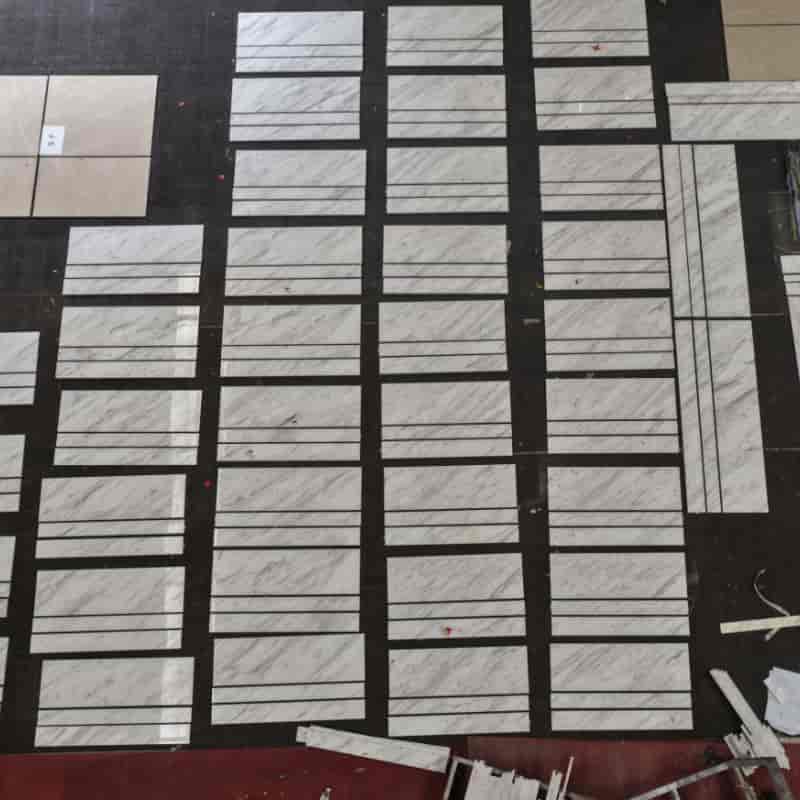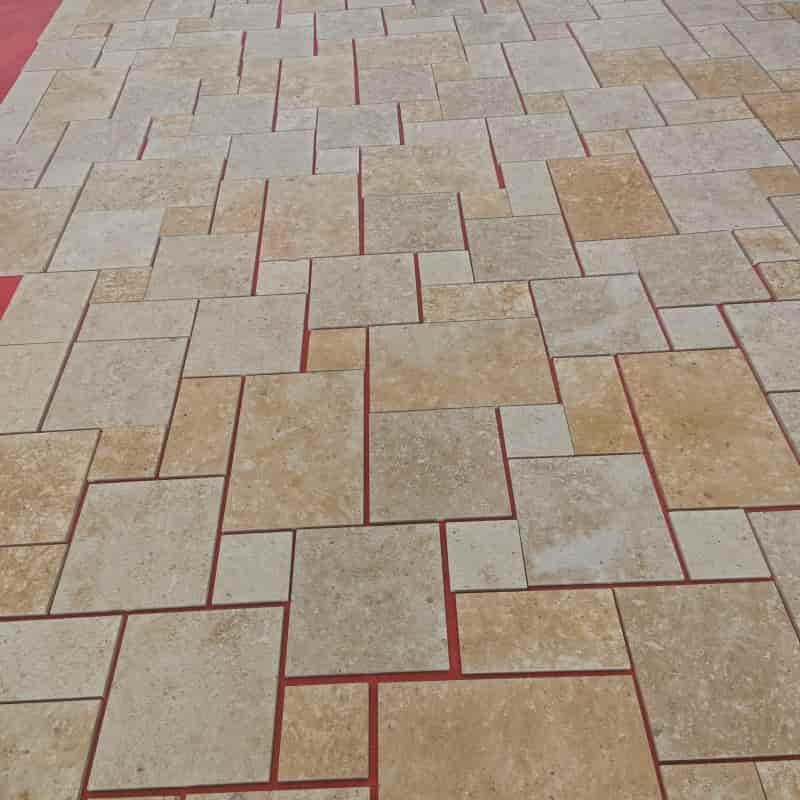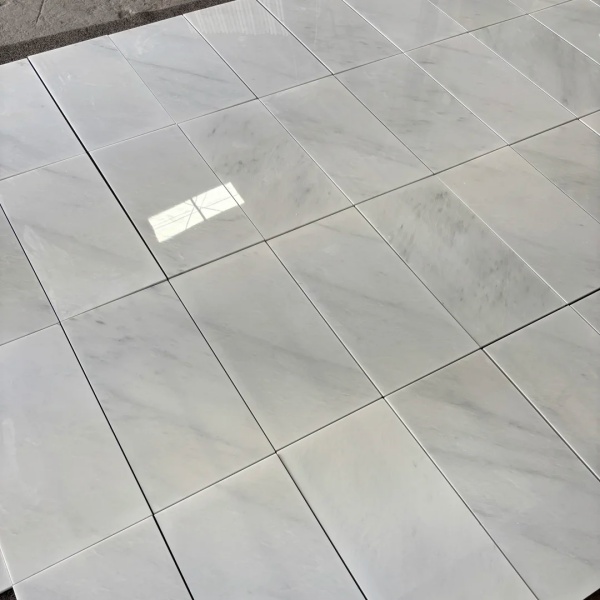
For its exquisite colours and natural textures, white sand stone is extensively utilised in landscaping and gardening. Many designers and gardeners use it because of its unusual look and utility. حجر الرمل الأبيض may accentuate the beauty and utility of any space—home gardens, public landscapes, businesses, or elsewhere.

White sand Stone’s aesthetic worth
variation in textures and colours
From pure white to light beige, white sand stone has a rather natural and clean visual impact. Particularly notable in gardening and landscape design, this light colour may create a sophisticated contrast with many flora and construction materials. Usually having a quite homogeneous texture, white sand stone reflects a different lustre when exposed to light because its delicate texture may be seen. The garden or landscape design might have a trendy and high-end vibe added by this lustre.
In line with plants
White sandstone’s neutral tones accentuate many different plant colours and designs. White sand stone may provide a clean backdrop to accentuate the colours of plants, whether it means brilliant flowers, luxuriant green bushes, or well kept lawns. Furthermore, the smooth surface of white sandstone may enhance the light reflection of the garden, thus giving the area more openness and brightness.
White sandstone’s functionality
Performance of drainage
White sandstone’s particle structure ensures outstanding drainage capacity. The spaces between its particles may efficiently eliminate extra water and stop water collection in the soil, therefore lowering the issue of water buildup at plant roots. This characteristic makes white sandstone especially appropriate for use as a drainage layer at the bottom of flower gardens, planting beds and flower pots, therefore maintaining the dry and healthy state of the roots of plants.
Maintaining and durability
White sandstone is highly durable because of its inherent crystalline form. It has strong resistance to weathering and compression and can keep steady performance under many temperature conditions. White sandstone’s surface is easily cleaned and maintained; it is very smooth. Simple washing and frequent sweeping will help to maintain its attractive look. This low-maintenance characteristic helps it to function in commercial buildings and heavy traffic public spaces.
Anti-slip ability
White sandstone is a pavement element used in landscape design for walkways and trails. Its surface’s particles may provide some friction, boost grip while walking, and hence enhance safety by their presence. Garden pathways, walkways, and other walking surfaces find great practicality from its anti-slip characteristic.
Using white sandstone in garden planning
Plant gardens and flower beds
White sandstone is a common covering layer or attractive ground material used in the creation of plant and flower gardens. It may assist to preserve soil moisture and provide a tidy and attractive look. In plant beds, white sandstone may also be utilised as a decorative layer mixed with different plant species to provide an original visual impact. Furthermore acting as a covering layer, it may help to control weed development and lighten gardening maintenance’s effort.
Routines and pathways
Paving roads and walks sometimes uses white sandstone. The trail seems tidy and sophisticated from its consistent colour and soft texture. For mixed paving, the design allows you to use white sandstone of various particle sizes to provide an unusual textural effect. White sandstone walks are especially fit for places like home gardens, public parks and courtyard paths, offering a safe and lovely walking experience because of their anti-slip characteristics.
Recreational spaces and patios
White sandstone may be ground material used in the construction of patios and leisure areas to provide a contemporary and clean appearance. It offers adequate drainage and a pleasant surface for outdoor recreational spaces. White sandstone’s natural tones may be matched with outdoor furniture, plants and decorations to provide a sophisticated leisure area.
Viewscape and Fountain
Waterscape and fountain design also extensively benefit from white sandstone. White sandstone may enhance the visual layering of the waterscape and create exquisite light and shadow patterns with the water flow as a decorative element at the bottom of the fountain. White sandstone not only improves the general attractiveness in waterscape design but also helps to keep the water pure by efficiently preventing the deposition of pollutants into the water body.
Uses of white sandstone in landscape architecture
Ornamental gardening
White sandstone may be used in landscape design for garden embellishment including edge of flower beds, fillers between plants, etc., Its graceful colour may be matched with other landscape components to improve the whole design impact. White sandstone may provide the area a feeling of layering and structure by means of creative arrangement and matching, therefore enhancing the artistic and design-oriented aspect of the gardening environment.
Walls and fences
Another often used white sandstone is for wall ornamentation and fencing. White sandstone may be mixed with wood and metal to create lovely borders in fence design either as a fence foundation or ornamental pavement. White sandstone may be used in wall decorating to provide the wall more texture and visual appeal, therefore giving the landscape a natural look.
Public Places and Commercial Areas
White sandstone is often utilised for pavement, ornamental accents, and landscape sculptures in the design of public places and commercial buildings. Its elegant look and robustness fit for heavy traffic places such retail centres, hotel lobbyues and show sites. While offering useful utility, white sandstone may improve the general appearance and attractiveness of commercial buildings.
Roof Gardens and Green Belts
يمكن استخدام الحجر الرملي الأبيض كغطاء زخرفي أو كسطح رصف في تصميم حدائق الأسطح والأحزمة الخضراء. إن خصائصه الجيدة في التصريف لا تضفي على المكان مظهراً جميلاً فحسب، بل تساعد أيضاً على الحفاظ على رطوبة الحزام الأخضر على السطح. بالإضافة إلى ذلك، عند مزجه مع مكونات خضراء أخرى، يُعدّ الحجر الرملي الأبيض بديلاً ذا ذوق رفيع ومفيداً لحدائق الأسطح.
إلهام التصميم وتوصيات التطبيق
الدمج مع مكونات إضافية.
يمكن استخدام الحجر الرملي الأبيض مع عناصر أخرى في تصميم الحدائق والمناظر الطبيعية لإحداث تأثير بصري غني. ولإنشاء نمط تصميمي مميز، على سبيل المثال، يمكن دمج الحجر الرملي الأبيض مع الزجاج والمعدن والخشب. وفي حين أن المزيج من المعدن والزجاج قد يمنح انطباعاً عصرياً وأنيقاً، فإن المزيج من الخشب والحجر الرملي الأبيض يمكن أن يخلق إحساساً طبيعياً ومريحاً.
استخدام اللون والملمس
إن اختيار أحجار ذات أحجام وقوام مختلفين سيساعدك على إنشاء مجموعة متنوعة من التأثيرات التصميمية باستخدام الحجر الرملي الأبيض. فعلى سبيل المثال، يمكن استخدام الحبيبات الخشنة في رصف المسارات، بينما يناسب الحجر الرملي الناعم الطبقات الزخرفية. وسيصبح التصميم أكثر زاهية وإثارة للإعجاب إذا قمت بترتيب الطبقات بعناية وبتنويع الألوان والقوام في الفضاء.
دراسة البيئة المحيطة والهدف من الاستخدام.
يجب مراعاة المناخ واستخدام الحجر الرملي الأبيض أثناء التصميم. ففي الأماكن الزخرفية يمكن استخدام أحجار أكثر رقة وجمالاً، أما في المناطق ذات الحركة الكثيفة فقد يُفضَّل اختيار حجر رملي أبيض أكثر متانة وعدم الانزلاق. وفي الوقت نفسه، ينبغي أخذ صيانة الحجر الرملي الأبيض والعناية به بعين الاعتبار لضمان استمراريته وجاذبيته أثناء الاستخدام.

الحجر الرملي الأبيض مادة جميلة ومفيدة في تصميم الحدائق والمناظر الطبيعية؛ إذ إن لونه المميز وقوامه ووظيفته تجعله مناسباً للعديد من الحالات التصميمية. فمن أحواض الزهور والممرات إلى المشاريع التجارية والأماكن العامة، يمكن لاستخدام الحجر الرملي الأبيض أن يضفي على المكان جمالاً وفائدة. كما يمكن للحجر الرملي الأبيض أن يسهم في تحقيق تأثيرات بصرية غنية وأغراض عملية من خلال التصميم السليم والتنسيق المناسب، مما يعزز تصميم الحدائق والمناظر الطبيعية. ويقدّم الحجر الرملي الأبيض جمالاً وقيمة طويلة الأمد سواء كان ذلك في مشروع تنسيق مناظر طبيعية واسع النطاق أم في حديقة صغيرة.