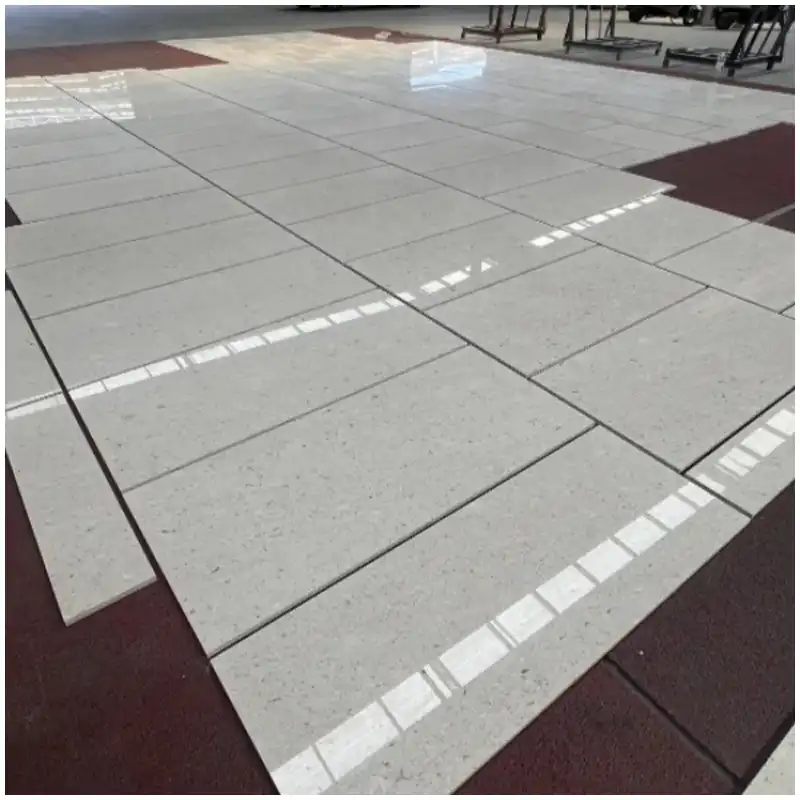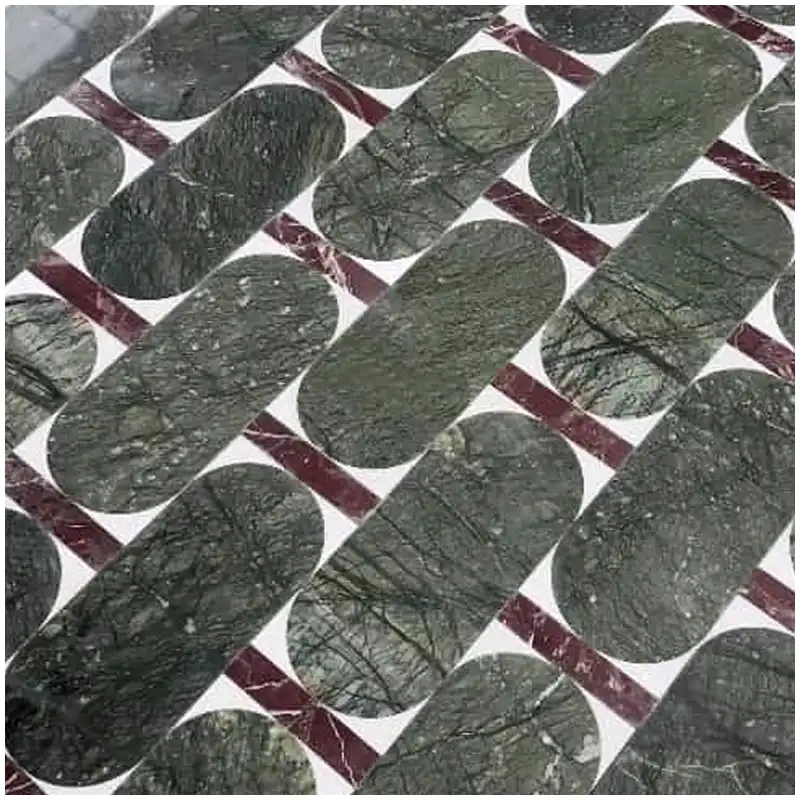
Because of its distinctive texture and look, split-face limestone is extensively employed in the building and decorative spheres. Many building projects would find it perfect for its inherent fissures and rustic appeal.

Basic Characteristics of Split-face Limestone Definition and Formation
One natural stone with a clear cleavage face is split-face limestone. It is mostly made of calcite, also known as dolomite, which results from geological processes’ compression and deposition. Natural formed fractures and cleavage faces of split-face limestone give it a distinctive texture and look.
Physical qualities
Generally speaking, split-face limestone has medium to high hardness—that is, between 3 and 4 on the Mohs scale. Its performance and lifetime depend on its density and porosity. Usually flat and with a rough surface roughness, the cleavage face of the stone makes split-face limestone very naturally beautiful both aesthetically and tactilely.
Aesthetic qualities
Split-face limestone has natural fractures, textures, and color variances among its appearances. Its surface usually has varying colors and uneven textures. In building ornamentation, its natural texture gives great visual attractiveness. Appropriate for many architectural designs, the stone’s natural texture may provide a basic and ambient style.
Modern architecture makes extensive use of split limestone in architectural facade ornamentation. < For contemporary building, its distinctive fissures and natural texture may provide a natural and original attractiveness. For instance, split limestone is used in many upscale commercial buildings and hotel facades to improve the visual appeal and market value of the construction.
Split limestone is often utilized in traditional architecture to portray the old and hefty feeling of the construction via wall ornamentation. Traditional architectural forms may be used with its natural cracks and textures to give the construction a vintage look.
Outdoor ground pavement also extensively makes use of split limestone. Split-face limestone is perfect for public areas like courtyards, plazas, and paths because of its wear resilience and anti-slip qualities. For instance, split-face limestone is often used to pave paths in parks and municipal plazas, therefore enhancing their longevity and appearance of ground.
Flooring in interior design also makes use of split-face limestone. Its natural and pleasant texture will help interior environments to be comfortable. For a sophisticated and luxury setting, split-face limestone flooring is often utilized in lobby, hallways, and other areas of high-end hotels and homes.
Split-face limestone wall decorating may provide interior areas a natural and rustic impression. This stone is often used for wall décor in areas such living rooms, pubs, and restaurants because of its natural fissures and patterns. Modern pubs and restaurants, for instance, may improve the visual layering and space ambiance by using split-face limestone on the walls.
Split-face limestone also works well for ornamentation of outdoor walls. Its natural beauty and weather resilience make it a perfect option for outside walls of construction. For both homes and businesses, split-face limestone is often utilized on exteriors to provide a strong decorative impact and visual appeal.
Ornamental Components
Fragments of a landscape: Split-face limestone is used in landscape design to provide a range of ornamental elements including landscape benches, fountain margins, and flower bed borders. Its rustic charm and natural flaws may provide the landscape area an original visual impact. Split-face limestone is used, for instance, in gardens’ fountain margins and landscape benches to accentuate their natural and artistic appeal.
Sculptures and artworks are also often produced from split-face limestone. Its special texture and feel make it perfect for creative production. Split-face limestone is used, for instance, in several public art projects and beautiful sculptures to highlight its artistic worth and natural beauty.
Restitution of Architecture
Split-face limestone is utilized in the replacement and repair of damaged portions of old structures. Many historic structures were once constructed of limestone, hence restoration efforts need for the same kind of stone. Split-face limestone allows the structure to retain its historical authenticity and natural look. For restoration projects of old cathedrals and palaces, split-face limestone is utilized, for instance, to restore the structural integrity and historical character of the construction.
Split-face limestone is frequently utilized to create new construction components or ornamental aspects for old structures needing reproduction or replication. This program not only guarantees the building’s historical and cultural worth but also guarantees its correctness in restoration. For rebuilding projects of historical places, split-face limestone is utilized, for instance, to guarantee that the new elements complement the old architectural style.
Engineering and Maintenance Issues
Construction Technology: Cutting and Processing: Split-face limestone’s cutting and processing calls particular care to preserve its original texture and fissures. Usually, special cutting tools and methods are used throughout the building process to guarantee that the stone’s texture and cut surface satisfy the design specifications.
Using appropriate adhesives and fastening materials will help to guarantee the stability and longevity of split-face limestone while it is being fixed and installed. Particularly in facades and ground paving, it is important to guarantee that the stone is securely placed to prevent deformation brought on by usage pressure or climatic change or coming off.
Trends in Future Development
Umweltschutztechnologie: Das zunehmende Umweltbewusstsein hat dazu geführt, dass der Abbau und die Verarbeitung von Spaltsteinkalkstein ökologisch verträglicher geworden sind. So tragen Ressourcenrecycling sowie energie- und emissionsreduzierende Technologien dazu bei, die Kriterien nachhaltiger Entwicklung zu erfüllen, indem sie die Auswirkungen des Steinabbaus und der Steinverarbeitung auf die Umwelt verringern.
Designtrends – Vielfältige Anwendungen: Spaltsteinkalkstein wird in Zukunft noch häufiger eingesetzt, und Designer werden seine kreativen Möglichkeiten in der zeitgenössischen Architektur und Innenarchitektur weiter erforschen. So könnte Spaltsteinkalkstein in der Architektur und Landschaftsgestaltung noch bedeutender werden, wenn er mit intelligenter Gebäudetechnik und aktuellem Kunstdesign kombiniert wird.
Im Design wird Spaltsteinkalkstein harmonischer mit verschiedenen Baustoffen und architektonischen Stilen kombiniert. Die Kombination mit Elementen wie Glas und Metall beispielsweise kann eine zeitgemäßere und kreativere architektonische Wirkung erzielen.
Spaltsteinkalkstein findet in der Landschaftsgestaltung öffentlicher Räume und Parks Verwendung für Gehwege und landschaftliche Gestaltungen. Seine natürlichen Spalten und Texturen verbessern sowohl den Komfort und die Funktionalität des Parks als auch seine Schönheit.
Mehrere Geschäftsplätze werden unter Verwendung von Spaltsteinkalkstein gestaltet, der als Boden- und Fassadendekoration eingesetzt wird. Seine natürliche Textur und visuelle Attraktivität steigern den wirtschaftlichen Wert und ziehen die Aufmerksamkeit auf diese Bereiche.

Aufgrund seiner ungewöhnlichen Textur und natürlichen Schönheit, Spaltstein Kalkstein bietet ein breites Spektrum an Anwendungsmöglichkeiten in den Bereichen Bau und Dekoration. Spaltsteinkalkstein kann schöne und langlebige Lösungen für Fassadendekoration, Bodenbelag, Wanddekoration, Landschaftsgestaltung oder Gebäudeinstandsetzung bieten. Mit der Weiterentwicklung der Technologie und sich verändernden Marktanforderungen wird die Nutzung von Spaltsteinkalkstein weiter zunehmen; Designer und Architekten werden seine kreativen Einsatzmöglichkeiten in der zeitgenössischen Baukunst weiter erforschen. Spaltsteinkalkstein könnte in der architektonischen Gestaltung künftig noch bedeutender werden und für Gebäude und Landschaften noch markantere und ansprechendere Effekte erzeugen.