Quick Summary: A White Marble Slab is a premium natural stone surface used for countertops, walls, floors, vanities, hotel interiors, and luxury furniture. In 2026, buyers should compare origin, grade, thickness, finish, slab size, veining, resin treatment, and supplier quality before choosing white marble slabs wholesale or for project-based sourcing.
أ بلاطة من الرخام الأبيض can make a space feel brighter, cleaner, and more luxurious in a way few materials can match. It is used in hotel lobbies, kitchen islands, bathroom walls, villa floors, fireplace surrounds, reception desks, dining tables, and premium commercial interiors. But here is the honest part: not every white marble slab is suitable for every project. Some slabs look beautiful in a showroom but fail in real installation because of color variation, visible cracks, unstable veining, weak resin repair, poor packing, or unsuitable finish selection.
In 2026, buyers are no longer asking only, “Which white marble looks beautiful?” They are asking smarter questions: Where does the marble come from? Is it A grade, AB grade, or commercial grade? How thick should the slab be? Is the finish suitable for countertops or bathroom walls? What affects premium slab cost? Can the supplier provide full slab photos, dry lay approval, packing protection, and export documents?
This guide is written for architects, designers, importers, contractors, homeowners, wholesalers, and project buyers who need a practical sourcing framework. It explains global origins, quality grades, premium cost factors, technical parameters, project risks, supplier selection, and buying mistakes. The goal is simple: help you choose a White Marble Slab that looks beautiful on day one and performs reliably after installation.

What Is a White Marble Slab?
A Natural Stone Surface for Luxury Interiors
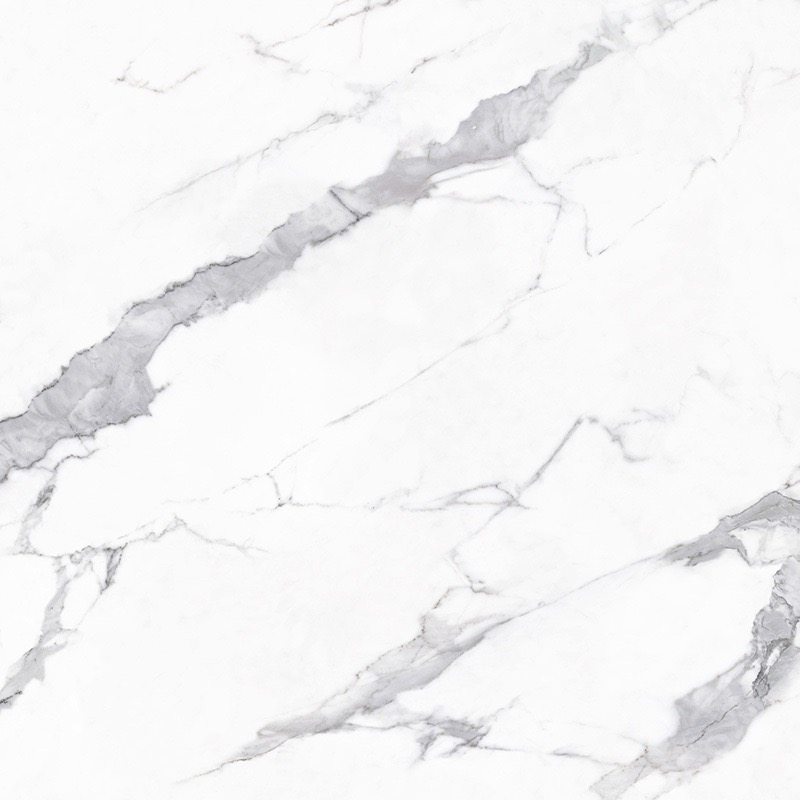
A White Marble Slab is a large-format piece of natural marble cut from quarry blocks and processed into a flat stone surface. It is usually polished, honed, brushed, or leathered depending on the final application. Unlike small marble tiles, slabs preserve the natural movement of the stone, including vein direction, background tone, mineral pattern, and visual depth. This makes slabs especially valuable for large kitchen islands, full-height wall cladding, hotel reception areas, bookmatched feature walls, and custom furniture.
Buyers often begin their selection by exploring broader الحجر الرخامي options because white marble is only one part of the natural marble family. Grey, beige, black, green, brown, and gold-toned marbles all have different visual roles. White marble is usually selected when the project needs brightness, elegance, and timeless appeal.
Why White Marble Slabs Differ From Each Other
No two white marble slabs are exactly the same. Natural veining, mineral composition, quarry layer, block size, cutting direction, resin treatment, and polishing quality all influence the final appearance. Even slabs from the same quarry may show different levels of whiteness, grey movement, gold veins, cloud patterns, or crystal texture. This is why full slab photos are much more useful than small samples when approving a project.
Small samples can show material color and basic texture, but they cannot show full veining direction, bookmatching potential, large-area background consistency, or visible repair areas. For high-end walls, flooring, and countertops, buyers should always check actual slab photos or video inspection before confirming bulk orders.
Common Applications of White Marble Slabs
White marble slabs are commonly used for kitchen countertops, bathroom vanity tops, shower walls, hotel lobby walls, fireplace surrounds, flooring, stair treads, dining tables, coffee tables, feature panels, and reception desks. For large projects, buyers usually compare different ألواح الرخام based on slab size, thickness, finish, grade, and matching ability.
If the project is a kitchen island, the buyer should focus on slab size, veining direction, surface sealing, and edge strength. If the project is a bathroom wall, water resistance, resin quality, finish selection, and maintenance matter more. If the project is a hotel lobby feature wall, bookmatching, color consistency, and dry lay approval become critical. One material, many decisions. Marble likes drama, but it dislikes lazy planning.
Premium White Slabs: Carrara, Calacatta, and Statuario
These varieties are among the most recognized materials in architecture and interior design, adding significant brand prestige to luxury kitchens, villas, designer bathrooms, and premium commercial spaces.
-
كارارا: Known for its soft grey vein patterns and classic appearance. It is the ideal choice for designs requiring timeless elegance and a natural stone character without overly dramatic movement. It is particularly suitable for countertops, wall panels, and furniture surfaces.
-
كالاكتا: Features a cleaner, brighter white background contrasted by bolder, more dramatic veining.
-
ستاتواريو: Highly valued for its refined white base and elegant grey movement, offering a balance of sophistication and visual interest.
Brightness and Minimalism: Thassos and Volakas
For projects prioritizing a bright, clean, and calm aesthetic, these materials offer elegant surfaces perfect for luxury bathrooms, flooring, and staircases.
-
Thassos: Famous for its exceptional whiteness and crystal clarity. When sourcing high-whiteness grades, quality is determined by background purity, color consistency, and strict defect control.
-
Volakas: Offers a soft white background accented by grey or light brownish veins, providing a gentle, sophisticated texture to interior spaces.
Flexible Supply and Custom Fabrication Capacity
In the global stone supply chain, material availability must be paired with strong processing capabilities to meet the needs of large-scale projects and B2B buyers.
-
Comprehensive Fabrication: Modern production systems support a wide range of custom needs, including cut-to-size panels, vanity tops, wall cladding, mosaics, and furniture components.
-
Technical Services: Suppliers provide critical project support such as dry lay photos for grain matching, CNC precision cutting, edge polishing, and professional export packaging.
-
Quality Management: While high production capacity is an advantage, consistent quality relies on strict inspection of color uniformity, slab grading, resin treatments, and thickness tolerances.

Understanding Quality Grades: A, AB, and Commercial
What Does A Grade White Marble Slab Mean?
A grade white marble slab usually refers to a higher selection level with cleaner background color, more desirable veining, fewer visible cracks, better slab integrity, stronger polishing quality, and less obvious repair. However, buyers must understand that marble grading is not always globally standardized. One supplier’s A grade may not be identical to another supplier’s A grade. This is why photos, videos, inspection reports, and clear communication matter.
A grade slabs are usually preferred for premium kitchen islands, luxury bathroom walls, hotel lobbies, full-height cladding, reception desks, and bookmatched feature walls. In these areas, the stone is highly visible, so color consistency and visual quality matter more. If the project is a luxury focal area, choosing a lower grade just to reduce material cost may damage the final design value.
What Does AB Grade White Marble Slab Mean?
AB grade is often a practical middle option. It may still be attractive and structurally usable but can include more color variation, less perfect veining, small repairs, minor resin visibility, or less premium background tone. For many projects, AB grade can be a smart choice when the application does not require perfect bookmatching or premium display quality.
AB grade white marble can be suitable for bathroom walls, general countertops, flooring, commercial interiors, smaller cut-to-size pieces, and projects with controlled budgets. If the design uses smaller pieces, the natural variation may be easier to manage. If the design requires full slabs installed side by side, buyers should be more cautious.
What Is Commercial Grade White Marble?
Commercial grade white marble usually has more visible variation, more repair, stronger color difference, higher resin visibility, or less consistent veining. This does not mean it is useless. It means it should be used in the right place. Commercial grade may work for budget flooring, back-of-house areas, secondary surfaces, smaller cut pieces, or projects where natural variation is acceptable.
The mistake is using commercial grade slabs in high-visibility luxury areas and expecting premium results. A commercial grade slab may save material cost, but if it causes rejection, replacement, installation delay, or client dissatisfaction, the “saving” becomes a very small umbrella in a very big storm.

Grade Comparison Table for Buyers
| درجة | Visual Quality | أفضل استخدام | Buyer Warning |
|---|---|---|---|
| A Grade | Clean background, good veining, fewer defects | Luxury walls, islands, vanities, hotel projects | Still needs slab-by-slab approval |
| AB Grade | Good but with more variation | Bathrooms, flooring, general interiors | Not ideal for premium bookmatching |
| Commercial Grade | More repairs, color variation, or visible defects | Budget projects and secondary areas | Avoid for luxury focal surfaces |
White Marble Slab Quality Inspection Checklist
A serious buyer should inspect more than the surface pattern. Check background whiteness, vein consistency, cracks, resin treatment, mesh backing, thickness tolerance, polish gloss, slab flatness, edge condition, and packing protection. For premium projects, also confirm dry lay layout and color matching between slabs.
| Inspection Item | What to Check | Why It Matters |
|---|---|---|
| Background color | White tone, yellowing, grey patches | Affects design consistency |
| العروق | Direction, density, continuity | Important for bookmatching and walls |
| Cracks and fissures | Natural lines vs repaired cracks | Affects fabrication risk |
| Resin treatment | Visible repair marks or uneven filling | Affects appearance and durability |
| سماكة | 16mm, 18mm, 20mm, 30mm tolerance | Impacts installation and edge work |
| التعبئة | Crates, foam, corner protection | Reduces shipping damage |
Factors Influencing the Cost of Premium Slabs
Origin and Quarry Rarity
Origin has a major influence on premium white marble slab value. Some quarry names are globally recognized and associated with luxury design. Limited extraction, strong demand, difficult block selection, and higher visual prestige can all increase value. Italian Calacatta and Statuario-style stones often sit at the premium end because buyers associate them with luxury interiors and iconic architectural use.
That said, origin alone does not guarantee project suitability. A famous-origin slab with poor cracks, weak repair, or unattractive veining may be less useful than a well-selected slab from a more flexible supply origin. Buyers should judge origin and actual slab quality together.
Background Whiteness and Vein Quality
White marble cost is strongly affected by background tone and veining quality. A clean white background with elegant, balanced veining is usually more desirable than a muddy background with random patches. Strong bookmatching potential can also increase value because it allows designers to create mirror-like feature walls, bathroom panels, and luxury reception areas.
For buyers comparing interior colors, the article on marble stone colors for modern interior design can help clarify when white marble is the best choice and when grey, beige, black, or green marble may be more suitable. White marble is excellent for brightness, but not every project needs maximum brightness. The best material is the one that serves the space.
Slab Size, Thickness, and Usable Yield
Large-format slabs are often more valuable because they allow fewer seams, larger kitchen islands, full-height wall panels, and better visual continuity. However, buyers should also consider usable yield. A large slab with cracks, awkward veins, or repair zones may provide less usable area than a smaller but cleaner slab.
Thickness also affects both appearance and installation. Common marble slab thickness options include 16mm, 18mm, 20mm, and 30mm. Wall panels may use thinner slabs when properly supported. Countertops often use 20mm or 30mm depending on edge design, support structure, and project preference. Furniture pieces may require special reinforcement because marble weight affects both fabrication and shipping.
| سماكة | Common Use | ميزة | المخاطر |
|---|---|---|---|
| 16mm | Wall cladding | Lighter weight | More fragile during handling |
| 18 ملم | Walls, furniture panels, vanities | Balanced handling | Needs proper support |
| 20 ملم | Countertops and general use | Common project standard | Edge details must be planned |
| 30 ملم | Premium countertops and heavy surfaces | Stronger visual weight | Heavier and more difficult to ship |
Finish, Resin Treatment, and Fabrication Quality
The surface finish affects both the final look and the cost. Polished white marble gives a brighter, more reflective luxury effect. Honed white marble feels softer and more modern, especially in bathrooms and quiet interiors. Brushed or leathered finishes add texture but may require more cleaning attention. Poor polishing can reduce the premium feel even if the raw slab is attractive.
Resin treatment is another cost and quality factor. Many white marble slabs receive resin treatment to improve surface integrity and fill natural micro-fissures. Good resin treatment should improve usability without obvious repair marks. Poor resin treatment can create visible patches, uneven gloss, or long-term quality concerns.
Logistics, Packing, and Export Risk
The cost of white marble slab sourcing is not only the material itself. Packing, loading, shipping, handling, customs documentation, and insurance all matter. Marble slabs are heavy and fragile. Poor crate reinforcement can lead to broken corners, cracked slabs, or surface damage before the material reaches the project site.
Buyers should request packing photos, crate details, slab numbering, loading confirmation, and shipping documents. For bookmatched or sequenced slabs, correct order matters. If the slab sequence is mixed during packing, the installer may face unnecessary confusion on site. Marble is already dramatic enough; logistics should not add extra theater.
Cost Factor Table for White Marble Slabs
| Cost Factor | Impact Level | Why It Matters |
|---|---|---|
| أصل | مرتفع | Brand recognition and quarry rarity |
| درجة | مرتفع | Visual consistency and defect level |
| Slab size | مرتفع | Larger slabs allow fewer seams |
| سماكة | Medium-high | Affects weight, strength, and edge design |
| ينهي | واسطة | Special finishes add processing work |
| Bookmatching | مرتفع | Requires careful slab selection and planning |
| التعبئة | واسطة | Reduces shipping loss and damage |
White Marble Slab vs Other White Surface Materials
White Marble Slab vs White Quartz
White marble offers natural veining, visual depth, and luxury identity. White quartz offers engineered consistency, easier maintenance, and predictable patterns. Choose white marble for high-end feature surfaces, luxury bathrooms, fireplaces, walls, and statement islands. Choose quartz when the project needs low maintenance, high consistency, and heavy daily use.
White Marble Slab vs Porcelain Slab
Porcelain slabs are thin, lightweight, stain-resistant, and practical for walls and bathrooms. White marble slabs provide natural authenticity and unique veining that porcelain cannot fully duplicate. If the project values natural luxury and each slab’s unique identity, marble is stronger. If the project values lightweight installation and easy cleaning, porcelain may be more practical.
White Marble Slab vs Granite
Granite is generally harder and more scratch-resistant, making it practical for heavy-use surfaces. White marble is softer and more elegant, making it ideal for interiors where visual beauty matters more than maximum abuse resistance. For luxury design impact, white marble usually wins. For heavy-duty durability, granite may be safer.
| مادة | Best Advantage | Best Application | Main Limitation |
|---|---|---|---|
| بلاطة من الرخام الأبيض | Natural luxury and unique veining | Walls, bathrooms, islands, furniture | Needs sealing and care |
| الكوارتز الأبيض | Consistency and easier maintenance | Kitchens and commercial counters | Less natural variation |
| لوح خزفي | Lightweight and stain resistance | Walls and bathrooms | Less authentic stone value |
| الجرانيت | Hardness and durability | Countertops and flooring | Less classic white marble elegance |
Material Parameters Buyers Should Check
Physical Properties That Affect Performance
For project-based purchasing, buyers should check more than visual appearance. Important parameters include density, water absorption, compressive strength, flexural strength, abrasion resistance, thickness tolerance, surface finish, and slip resistance for flooring. Commercial projects may request ASTM-style testing or project-specific documentation depending on the market and application.
In general, white marble has a density around 2.65–2.75 g/cm³, though values vary by stone type and quarry. Water absorption is often low but still relevant because marble is porous compared with some engineered materials. Flexural strength matters for wall panels, countertops, and long pieces. Abrasion resistance matters for flooring and stairs. Slip resistance matters in wet areas. The stone may look angelic, but the technical file still has to do the heavy lifting.
| المعلمة | Typical Relevance | Buyer Check |
|---|---|---|
| كثافة | Affects weight and handling | Confirm for large panels or furniture |
| امتصاص الماء | Stain and moisture risk | Ask for test data when needed |
| Flexural strength | Slab breakage risk | Important for walls and counters |
| Abrasion resistance | Wear behavior | Important for floors and stairs |
| تحمل السماكة | Installation accuracy | Check before fabrication |
| صقل الأسطح | Appearance and maintenance | Match finish to application |
Regulations, Standards, and Project Documentation
ASTM and Natural Stone Specifications
Commercial buyers may request stone specification documents, material data, and test references for dimension stone. ASTM C503 is commonly referenced for marble dimension stone specifications, while other test methods may be used to evaluate absorption, strength, abrasion, and related properties. Not every residential project requires full laboratory documentation, but larger commercial projects often need more formal material records.
EU and Export Project Documentation
For Europe-facing projects, buyers may need country of origin information, invoices, packing lists, material declarations, and sometimes CE-related documentation depending on the product type and construction use. The supplier should be able to support export paperwork, crate labeling, material identification, and installation guidance where required.
Indoor Safety and Installation Materials
Natural marble itself is a stone material, but adhesives, sealers, resins, grouts, and installation chemicals may affect indoor air quality expectations. For hotels, villas, and commercial interiors, buyers should ask whether the installation system and maintenance products are suitable for indoor use. Low-VOC adhesives and appropriate sealers may be required by some projects.
Common Buyer Mistakes When Buying White Marble Slabs
Judging Quality From a Small Sample Only
A small sample cannot show full slab movement, vein direction, bookmatching potential, or large-area color variation. Buyers should always request full slab photos for premium projects. For walls and floors, dry lay photos are even better.
Ignoring Grade and Repair Visibility
Lower-grade slabs can be useful, but they must be matched to the correct application. If visible repair marks appear on a luxury wall or kitchen island, the final result may look cheaper than expected. A grade is not just a label; it affects visual confidence.
Choosing the Wrong Finish
Polished white marble looks bright and luxurious, but it may show etching more clearly in heavy-use kitchens. Honed marble feels softer and modern, but it may require careful sealing and cleaning. The finish should match the application, not just the mood board.
Forgetting Shipping and Packing Risk
White marble slabs are heavy, valuable, and fragile. Poor packing can turn a profitable order into a broken crate of sadness. Buyers should confirm wooden crate quality, foam protection, corner guards, slab sequence, and loading method before shipment.
Buying Without Dry Lay or Slab Approval
For bookmatched walls, flooring patterns, and feature islands, dry lay approval helps reduce visual mismatch. It also helps the buyer confirm vein direction before cutting. Once the stone is cut, regret becomes very expensive.
|
|
|

How to Choose a White Marble Slab Supplier
What a Reliable Supplier Should Provide
A reliable white marble slab supplier should provide full slab photos, videos, finish samples, grade explanation, thickness options, dry lay service, packing photos, QC reports, export documents, and project communication. Buyers should also check whether the supplier can support custom cutting, edge finishing, stair pieces, countertops, wall panels, and furniture fabrication.
Company background also matters. Reviewing the supplier’s white marble slab manufacturer profile can help buyers understand production capability, sourcing focus, and export experience before starting a project. For bulk purchasing, stable communication is not a small detail. It is the difference between smooth delivery and daily headache gymnastics.
For buyers planning interior projects that involve Calacatta-style luxury surfaces, reviewing Calacatta Marble design ideas can also help connect material selection with real application value. A beautiful slab is only successful when its vein movement, finish, and installation match the design purpose.
Supplier Evaluation Scorecard
| Evaluation Factor | وزن | What to Check |
|---|---|---|
| Slab selection ability | 20% | Full slab photos and color matching |
| Grade transparency | 15% | Clear A, AB, or commercial explanation |
| Fabrication capability | 15% | Cutting, edging, dry lay, CNC work |
| QC process | 20% | Inspection report and thickness check |
| Packing quality | 15% | Crates, foam, corner protection |
| Export support | 10% | Documents and shipment handling |
| الاتصالات | 5% | Response speed and technical clarity |
Practical Recommendation: Which White Marble Slab Should You Choose?
For Luxury Kitchen Islands
Choose A grade large-format slabs with a clean background, elegant veining, and strong sealing support. Avoid slabs with visible cracks or awkward vein breaks across the island surface. If the island is the visual center of the kitchen, treat slab approval like design approval, not just material purchasing.
For Bathroom Walls and Vanities
Choose bright slabs with stable veining, good resin treatment, suitable finish, and proper sealing. For bathrooms, water exposure, cleaning habits, ventilation, and waterproofing are more important than buyers often expect. White marble can look stunning in bathrooms, but it should not be installed casually.
For Hotel Lobbies and Feature Walls
Choose premium slabs with bookmatching potential, dry lay approval, and strong visual continuity. Large walls expose every weakness in color matching and vein direction. If the wall is highly visible, do not approve material from small samples alone.
For Flooring and Stairs
Choose materials with suitable strength, abrasion behavior, finish, and slip resistance. Polished marble can be beautiful but may not be ideal for all wet or high-traffic areas. Honed or textured finishes may offer better practical performance depending on the environment.
For Wholesale and Distribution
Choose consistent color ranges, stable supply, clear grading, good packaging, and reliable export service. Buyers who need a distinctive white marble option can also consider New Jazz White Marble Slabs for interiors that need a fresh white background with expressive natural movement.
If your team needs help comparing grades, slab photos, thickness, finish, packing, or project suitability, speaking directly with a white marble slab supplier can reduce uncertainty before purchase. A good supplier should help you match material to use, not simply send a quotation and wave goodbye like a stone magician.

Final Buyer Insight: Choose the Slab That Fits the Project, Not Just the Photo
The best White Marble Slab is not always the whitest, rarest, or most dramatic. The best slab is the one that fits the project’s lighting, design style, usage intensity, maintenance expectation, installation method, and budget logic. Italian marble may be ideal for prestige interiors. Greek white marble may be excellent for bright minimalist spaces. China-processed white marble may offer strong customization and export value. A grade slabs may be perfect for focal areas, while AB grade may be practical for broader applications.
Smart buyers do not purchase white marble by emotion alone. They compare origin, grade, thickness, finish, veining, repair visibility, test parameters, packing, supplier capability, and documentation. When these details are aligned, white marble becomes more than a beautiful surface. It becomes a long-term architectural decision.
FAQ About White Marble Slab
1. ما هي أفضل لوح من الرخام الأبيض للديكورات الداخلية الفاخرة؟
يعتمد اختيار أفضل لوح من الرخام الأبيض للديكورات الداخلية الفاخرة على الهدف التصميمي. فغالبًا ما تُختار الألواح ذات النمط كالاكاتا نظرًا لخطوط العروق الدراماتيكية والجزر المطبخية اللافتة، في حين يناسب الرخام الأبيض كارارا الديكورات الكلاسيكية الأكثر رقةً. كما أن رخام ثاسوس وغيره من الأنواع اليونانية البيضاء الزاهية تُعدّ خيارًا مثاليًا للحمامات النظيفة والأرضيات والمساحات ذات الطابع البسيط. وبالنسبة للمشاريع الراقية، ينبغي للمشترين التركيز على بياض اللون الأساسي، وتوازن العروق، وحجم اللوح، والدرجة، والتشطيب، وإمكانية المطابقة المتناظرة، بدلاً من الاكتفاء باختيار النوع فقط بناءً على اسمه.
2. كيف أختار لوح رخام أبيض عالي الجودة؟
لاختيار لوح رخام أبيض عالي الجودة، يجب فحص الصورة الكاملة للوح، ولون الخلفية، واتجاه العروق، والتشققات، وإصلاح الراتنج، وتوحيد درجة التلميع، والاستواء، وتفاوت السماكة، وحالة الحواف. ولا تكفي العينة الصغيرة في المشاريع الراقية، لأنها لا تستطيع إظهار حركة اللوح بالكامل أو تباين الألوان. وبالنسبة لتكسية الجدران والأرضيات وجزر المطابخ، ينبغي على المشترين طلب صور التوضيب الجاف، وفحص الفيديو، وتوضيح تصنيف الجودة بوضوح قبل اعتماد الإنتاج أو الشحن.
3. ما الفرق بين الرخام الأبيض من الدرجة A والرخام الأبيض من الدرجة التجارية؟
يتميز الرخام الأبيض من الدرجة الأولى عادةً بخلفية أنظف، وتموجات أدقّ، وشقوق أقل وضوحًا، وإصلاحات أقل بروزًا، وجودة تلميع أعلى، وتوافق بصري أفضل. أما الرخام الأبيض من الدرجة التجارية فقد يحتوي على تباين لوني أكبر، وإصلاحات بالراتنج مرئية، وشقوق، ومناطق غائمة، أو تموجات غير متساوية. ويمكن مع ذلك استخدام الرخام من الدرجة التجارية في أعمال الأرضيات ذات الميزانية المحدودة، أو في القطع الصغيرة، أو في المناطق الثانوية؛ غير أنه لا يُنصح به للجدران الديكورية الفاخرة، أو لجزر المطابخ الراقية، أو للتصميمات الداخلية للفنادق ذات الظهور الواضح.
4. هل اللوح الرخامي الأبيض مناسب لكونترتوب المطبخ؟
نعم، يمكن استخدام ألواح الرخام الأبيض في كونترتوب المطابخ، خاصةً عندما يقدّر المشتري الجمال الطبيعي والأناقة والعروق الفريدة. ومع ذلك، فإن الرخام حساس للمواد الحمضية وقد يظهر عليه التآكل أو البقع إذا لم يتم تغليفه وصيانته بشكلٍ مناسب. وللمطابخ، ينبغي على المشترين اختيار سماكة مناسبة، والتأكد من تفاصيل الحواف، وتطبيق عملية التغليف المناسبة، واستخدام منتجات تنظيف ذات درجة حموضة متعادلة، مع إدراك أن الرخام يكتسب طبقةً طبيعيةً من السطح مع مرور الوقت.
5. ما الذي يؤثر في تكلفة ألواح الرخام الأبيض الفاخر؟
تتأثر تكلفة ألواح الرخام الأبيض الفاخرة بالأصل، وندرة المحجر، والدرجة، وبياض الخلفية، وجودة العروق، وحجم اللوح، والسُمك، والتشطيب، وإمكانية المطابقة المتناظرة، ومعالجة الراتنج، ومتطلبات التصنيع، وجودة التغليف، ولوجستيات التصدير. وعادةً ما تكون الألواح الأكبر حجمًا ذات الخلفيات النظيفة والعروق الأنيقة والاستمرارية البصرية القوية أكثر قيمةً. كما ينبغي على المشترين أخذ العائد القابل للاستخدام، وحماية الشحن، وخدمة التركيب الجاف، ومراقبة جودة المورّد في الاعتبار، لأن هذه العوامل تؤثر في التكلفة الفعلية للمشروع.
References
1. Dimension Stone Design Manual, Natural Stone Institute, Natural Stone Technical Reference.
2. ASTM C503 Standard Specification for Marble Dimension Stone, ASTM International, Stone Material Standards.
3. Stone in Architecture: Properties, Durability, Fourth Edition, Siegfried Siegesmund and Rolf Snethlage, Springer.
4. Natural Stone Maintenance Guide, Natural Stone Institute, Stone Care and Maintenance Publications.
5. Interior Design Materials and Specifications, Lisa Godsey, Fairchild Books.
6. Architectural Graphic Standards, American Institute of Architects, Wiley.
7. Time-Saver Standards for Interior Design and Space Planning, Joseph DeChiara, Julius Panero, and Martin Zelnik, McGraw-Hill.
8. Marble and Dimension Stone: Geological and Commercial Evaluation, M. M. A. El-Gammal, International Journal of Mining Science and Technology.
Strategic Insight: How Buyers Should Specify White Marble Slab in 2026
What should buyers evaluate first?
Buyers should begin with application, not appearance alone. A White Marble Slab for a hotel wall, kitchen island, bathroom vanity, floor, stair, or furniture piece requires different thickness, finish, grade, sealing, and installation planning.
Why does origin matter?
Italy, Greece, and China each offer different advantages. Italy is strong in heritage and prestige, Greece is valued for bright white and minimalist aesthetics, while China offers flexible sourcing, custom processing, and export support. The right origin depends on project goals, not just reputation.
How should buyers compare grades?
A grade slabs are best for luxury visible areas, AB grade slabs can work for practical interiors, and commercial grade slabs should be used carefully in secondary or budget-sensitive applications. Grade selection should always be confirmed by full slab photos, repair visibility, thickness tolerance, and dry lay approval.
Which option is best for premium projects?
For feature walls and kitchen islands, choose large-format A grade slabs with clean background, balanced veining, and strong matching potential. For bathrooms and flooring, choose slabs based on finish, sealing, slip resistance, and maintenance. For wholesale purchasing, prioritize supply consistency, packing quality, and transparent grading.
Buyer consideration:
The 2026 white marble market is moving toward better documentation, stronger quality control, larger slab formats, bookmatched design, and project-specific sourcing. Buyers who verify quality before shipment reduce installation risk, avoid visual mismatch, and protect long-term project value.