


White Marble Slabs vs Tiles for Bathrooms and Commercial Interiors
I stopped a bathroom dry-lay after the contractor placed twelve “matching” white marble tiles beside a slab vanity panel. The tiles were from one later batch, slightly warmer and busier. Under warehouse light the difference looked modest. Under the project’s 3000K mirror light, the vanity looked gray and the wall looked cream. Don’t just look at samples. Look at the formats together.

The argument was not whether slab or tile was better. The problem was that nobody approved how they would meet. A slab displays a broad geological picture. Tiles divide that picture into repeated units and joints. Lighting lies, but the joint grid tells the truth every time.
How White Marble Slabs vs Tiles Change the Visual Field
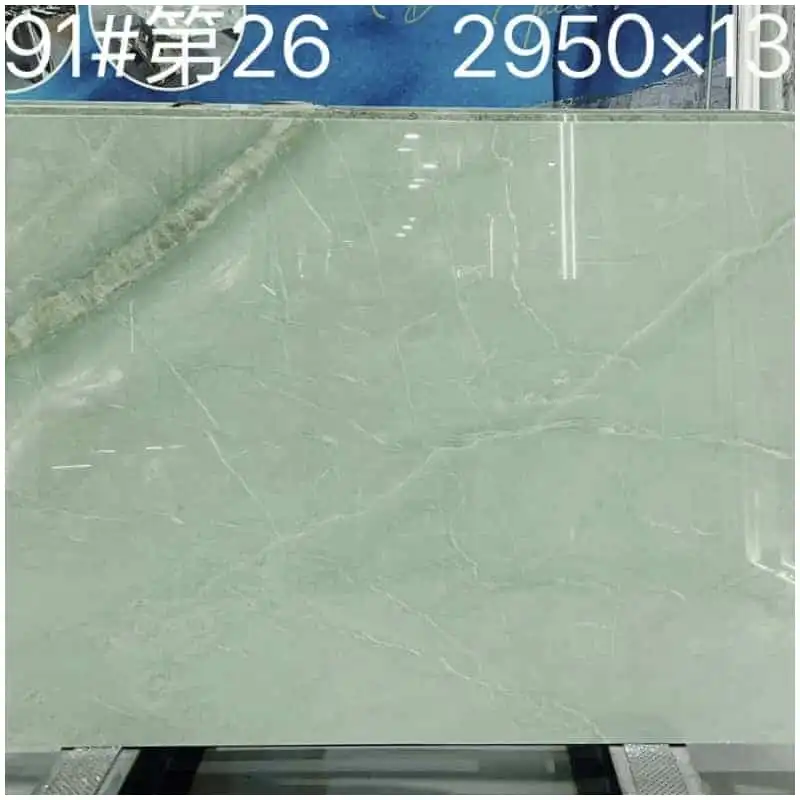
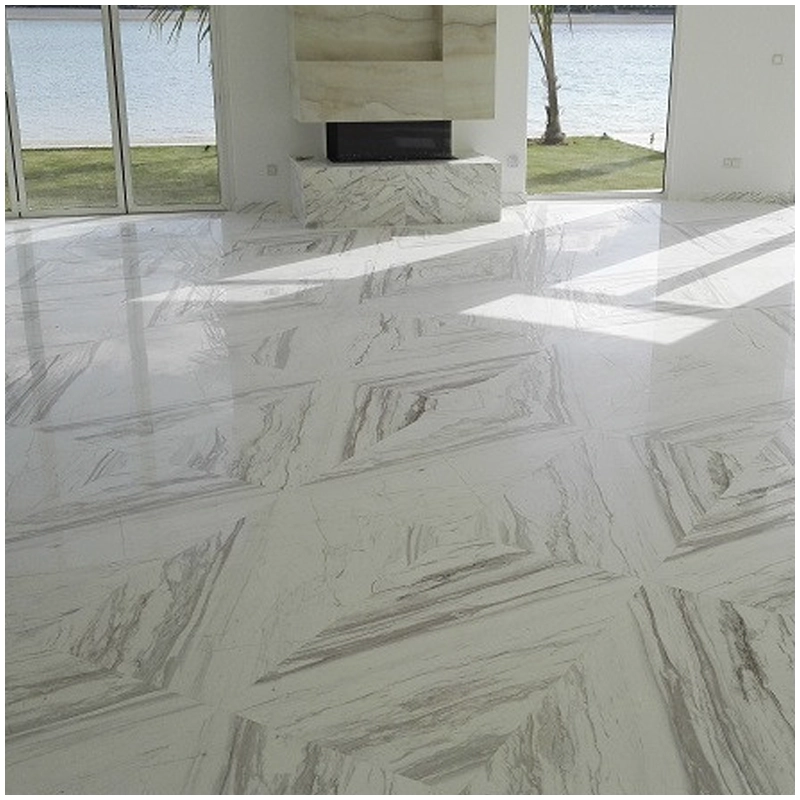
White marble slabs vs tiles is first a question of scale. A slab can carry one long vein across a vanity wall or lobby panel. Tiles break movement into smaller fields. That can calm a dramatic stone, create a deliberate rhythm, or produce visual noise when the pieces are mixed without direction.
The missing broad reference remains White Marble Slabs: Complete Guide to Types, Selection, Price, Bathrooms, Lighting, and Batch Control. It establishes material, batch, lighting, and approval controls. Format selection comes after the project understands what the current stone actually looks like, not after a catalogue image makes the decision feel easy.
I ask for a room elevation with every joint. For slabs, I place the actual face and proposed cuts on that elevation. For tiles, I approve a representative range and a dry-lay area large enough to show tone and vein frequency. One tile held at arm’s length proves very little.
Joint count changes what the eye reads
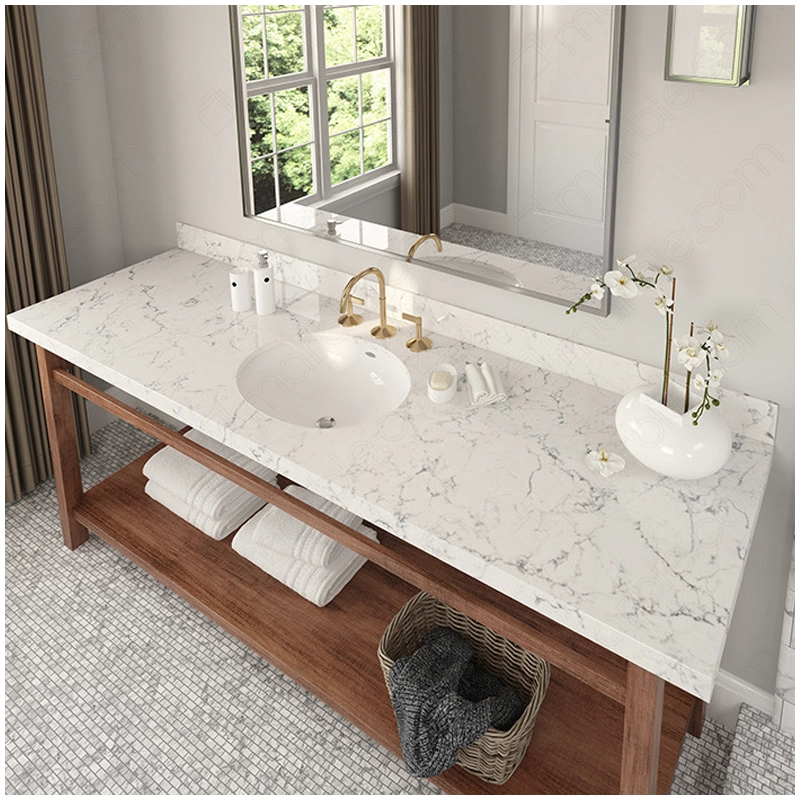
A large slab can make a compact bathroom feel calm because the eye follows mineral movement rather than grout. A tile layout can give scale and repairability, especially on floors or complex walls. The choice depends on room proportions, openings, waterproofing transitions, handling route, and how much natural variation the design accepts.
That slab doesn’t belong next to your bathtub when the strongest vein lands through a niche, mixer, and glass fixing with no plan. The same warning applies to tiles when one dark piece sits alone at eye level. Format does not replace layout.
Material Yield, Cut Maps, and Batch Range
Slabs require a cut map. I record usable dimensions, defects or natural features, edge losses, vein direction, sequence, and which offcuts may serve returns or smaller pieces. Large connected panels can consume more material than their net area suggests because the composition matters.
Tiles require a range plan. Factory-cut pieces from current slabs may retain some sequence, while stock tiles can mix positions and batches. I inspect several boxes or a representative dry-lay, not one hand sample. Marble tile batch matching is about controlled range, not making every tile identical.
The live White Marble Slab Supplier: Calacatta, Carrara, Statuario, and Sivec guide helps separate named materials from project evidence. Calacatta, Carrara, Statuario, and Sivec can all appear as slabs or cut pieces, but their movement and available batch range need individual review.
| Decision | Slab format | Tile format |
|---|---|---|
| Visual movement | Broad face with fewer interruptions | Movement divided by module and grout grid |
| Approval evidence | Full-face photographs, dimensions, cut map, sequence | Range board, multiple boxes, representative dry-lay |
| Yield | Affected by face composition and large openings | Affected by module, calibration, sorting, and spare quantity |
| Handling | Requires route, lifting, support, and substrate planning | Smaller units but more setting and joint control |
| Wet-zone detail | Fewer field joints but demanding penetrations and corners | More joints and grout maintenance, easier local replacement |
| Repair planning | Replacement face may be hard to match | Stored tiles can replace localized damage |
| Lighting review | Grazing light exposes panel flatness and finish | Light exposes batch changes and joint alignment |
Bathrooms, Wet Zones, and Substrate Conditions
White marble bathroom walls need a system decision, not only a finish choice. The responsible project team defines substrate, waterproofing, setting materials, movement joints, support, penetrations, and installation standards. I focus on whether the selected marble, format, finish, and layout evidence match the intended condition.

Slabs reduce field joints but increase piece weight and handling complexity. Niches, mixers, outlets, and corners require exact coordination. Tiles create more joints and can follow smaller areas, yet alignment and grout behavior become visible. Neither route eliminates maintenance or skilled installation.
I compare dry and wet appearance during approval. White marble can darken temporarily when wet. Polished surfaces can show etching from acids, while textured or honed finishes may hold cleaning residue differently. That slab doesn’t belong next to your bathtub if the project expects it to behave like porcelain and refuses the maintenance reality.
Lighting, Finish, and Full-Room Approval
ال Statuario Marble Slab Approval article shows why full-face and room-light evidence belong together. I view slabs and tiles under the intended 3000K or 4000K condition, beside paint, metal, grout, timber, and sanitaryware.
Large format marble panels can catch grazing light across a broad polished face. Tiles can reveal lippage or shade movement as repeated highlights. I use the actual fixture direction where possible. A warehouse ceiling cannot predict a mirror channel washing down the wall.
Don’t just look at samples. I create a combined mock-up when slab and tile share the room. The sample includes the joint, grout or sealant, corner, finish, and adjacent material. Lighting lies less when the complete relationship stands in front of us.
Cost, Installation, and Replacement Questions
I separate material price from installed system cost. Slab selection, yield, digital layout, reinforcement, crating, lifting, templates, and specialist installation affect one route. Tile calibration, sorting, setting, joint work, grouting, cleaning, and spare boxes affect the other. A lower square-meter price does not settle the comparison.
Replacement also matters. A stored tile can repair a small area, though aged grout and surrounding stone may still differ. Replacing a slab panel can require removing fittings and finding a face that suits the original composition. I keep spare material and approval records appropriate to the chosen format.
ال ألواح رخام كالكوتا page provides a real material route, while Statuario Bianco Marble Tiles shows how a tile format enters another kind of layout. The project still approves current production evidence rather than treating those names as a color guarantee.
What to include in the format inquiry
I ask for room elevations, net areas, panel or tile sizes, openings, finish, edge conditions, joint intent, substrate status, wet-zone locations, lighting, access, spare planning, and installation responsibility. For slabs, add the largest finished piece and desired movement. For tiles, add module, calibration, grout width, laying direction, and the size of the range approval.
I mark white marble bathroom walls by room and elevation so the approved format follows the real installation condition.
The final marble tile batch matching record stays with the stored spares and the installed-area photographs.
Those facts let the supplier compare current material and fabrication routes. A request for “white marble bathroom, 200 square meters” cannot reveal whether the project needs broad bookmatched faces, a modular floor, or three carefully coordinated formats.
The Hard-Won Lesson: Approve the Joint Between Formats
A villa bathroom approved a Calacatta slab for the vanity wall and white marble tiles for the shower. Both looked acceptable separately. At installation, the slab carried a cool gray field while the tile batch shifted warm under 3000K light. The glass line did not hide the change. Re-sorting tiles delayed the shower enclosure and still could not make the two sources identical.
The Lesson: Build one lit mock-up showing every marble format, joint, grout, metal, and adjacent finish that will meet in the room.
Understanding Marble Formats in Today’s White Marble Market
Why the format must follow the room
Choose format from the surface area, viewing distance, openings, handling route, substrate, maintenance, replacement, and desired vein scale. A broad wall may deserve a continuous face. A divided floor or complex shower may benefit from modules. The marble name does not answer that question.
What approval closes the decision
For slabs, approve identifiable full faces and cut maps. For tiles, approve a representative range and layout rule. For mixed rooms, approve the meeting point under installed light. I also record finish, joint material, spare quantity, cleaning, and who can accept natural variation.
What to do when the installed formats do not match
Photograph the complete room and close difference under installed light, stop additional fixing, and compare the material labels, approvals, range board, slab images, dry-lay, and room elevation. Contact the supplier with that evidence before sorting, sealing, or replacing pieces.
الأسئلة الشائعة
1. Are white marble slabs better than tiles for bathroom walls?
The white marble slabs vs tiles decision is not automatic. Slabs reduce field joints and preserve broad movement but require handling, substrate, openings, and replacement planning. Tiles offer modular installation and local spares but add joints, sorting, and batch-range control.
2. Can slabs and tiles of the same marble name look different?
Yes. They may come from different blocks, slabs, batches, cuts, thicknesses, or finishes. Approve them together under the intended light with grout, sealant, metal, and adjacent materials.
3. How should marble tiles be batch matched?
Review labels, production source, several boxes, tone and vein range, finish, dimensions, and a representative dry-lay. Define the acceptable blend and keep outliers from isolated visible positions.
4. Which format is easier to replace?
Tiles usually allow more localized replacement when matching spares exist. Slab replacement affects a larger composition and may involve fittings or adjacent panels. Both formats need retained records and planned spare material.
5. What should we do first if installed slab and tile fields clash?
Photograph the full room under installed light, stop further installation, and compare the slab approval, tile range, labels, dry-lay, joint sample, and elevation before asking the supplier to assess the difference.
Quick-Reference Checklist for Choosing White Marble Slabs or Tiles
- Draw every joint, opening, corner, niche, and visible return on the room elevation.
- Approve full identifiable faces for slabs and a representative range for tiles.
- Calculate yield, sorting, spare material, handling, and installed-system costs separately.
- Test the formats together under the intended 3000K or 4000K lighting.
- Coordinate substrate, waterproofing, setting, movement joints, and lifting responsibilities.
- Record the approved range, finish, grout or sealant, and replacement plan.
Final Conclusion
White marble slabs vs tiles changes the room’s joint grid, vein scale, approval evidence, installation route, maintenance, and replacement plan. Compare formats through full faces, representative ranges, elevations, dry-lay, wet use, and installed light.
Lighting lies, so I would rather reject one weak meeting point in the warehouse than let Esta Stone explain two incompatible white fields after the glass is fitted.

References
- Dimension Stone Design Manual, Natural Stone Institute.
- C503 Standard Specification for Marble Dimension Stone, ASTM International.
- C97 Standard Test Methods for Absorption and Bulk Specific Gravity of Dimension Stone, ASTM International.
- C880 Standard Test Method for Flexural Strength of Dimension Stone, ASTM International.
- Natural Stone Care and Maintenance Guidance, Natural Stone Institute.
- Technical Guidance for Natural Stone, Stone Federation Great Britain.
- Bathroom Planning Guidelines, National Kitchen and Bath Association.
- Search Essentials and Helpful Content Guidance, Google Search Central.