


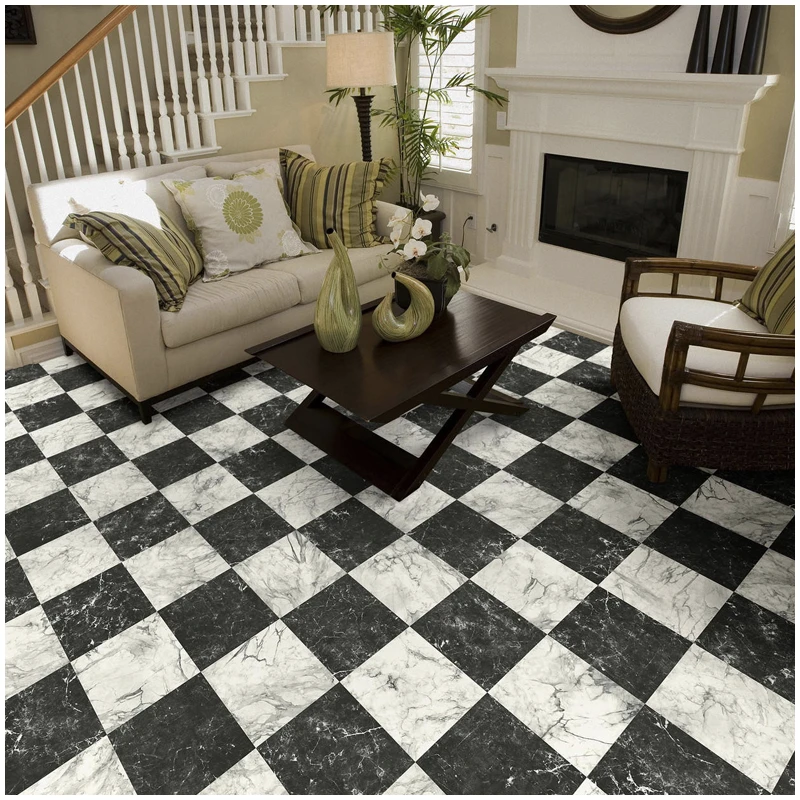
Quartz stone has become one of the most popular materials for modern home design, particularly in kitchen countertops, bathroom vanities, and even flooring. Known for its durability, aesthetic appeal, and low maintenance, quartz is a versatile option for homeowners looking to enhance their spaces with a material that combines beauty and functionality. However, choosing the right Quarzstein for your home design is crucial in achieving the desired look and ensuring long-term performance. This article explores the key factors to consider when selecting quartz stone, as well as some popular options to consider.
What is Quartz Stone?
Quarzstein is an engineered stone made from a combination of natural quartz crystals and resins. This blend creates a strong, non-porous material that can mimic the appearance of natural stone while providing enhanced durability. Unlike marble and granite, which are mined directly from the earth, Quarzstein is manufactured in a factory, allowing for a greater variety of colors, patterns, and textures.
Key Properties of Quartz Stone:
- Dauerhaftigkeit: Quartz is highly resistant to scratches, chips, and stains, making it ideal for high-traffic areas like kitchens.
- Non-porous: Unlike natural stones, quartz does not require sealing and is less likely to harbor bacteria.
- Variety: Quartz comes in a wide range of colors and patterns, from classic whites to bold, veined designs.
- Geringe Wartung: It is easy to clean, requiring only a damp cloth and mild soap for most cleaning tasks.

Why Choose Quartz Stone for Home Design?
Durability and Strength
Quartz is a highly durable material, which is one of the primary reasons for its popularity in home design. The composition of quartz stone—consisting of about 90% natural quartz—makes it incredibly hard, providing a high resistance to scratches, dents, and staining. Whether used for kitchen countertops, bathroom vanities, or flooring, quartz is a material that can withstand the demands of everyday life without compromising on its aesthetic appeal.
Ästhetische Anziehungskraft
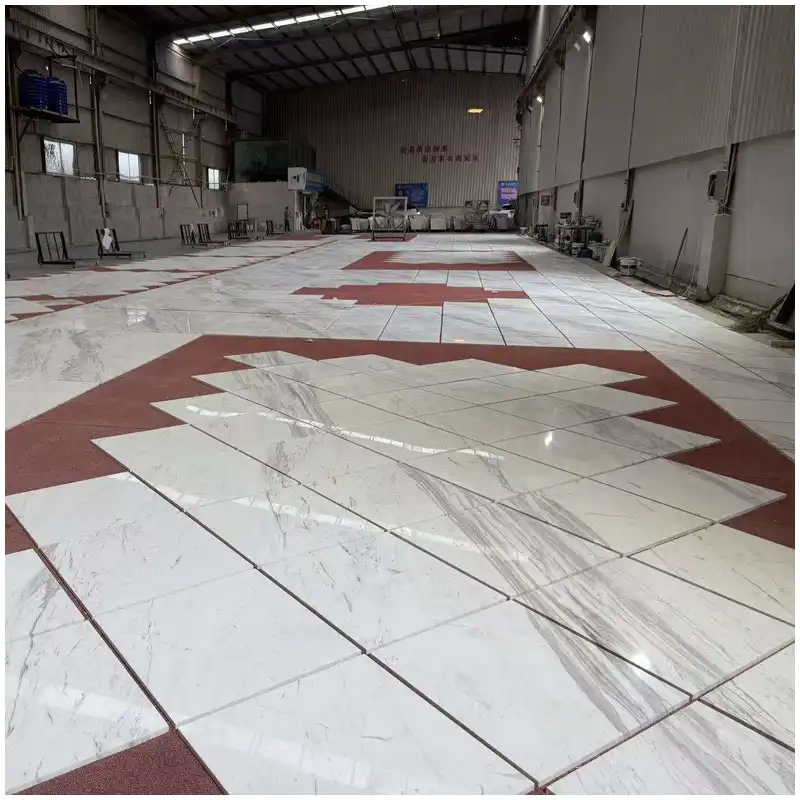
One of the biggest advantages of Quarzstein is its ability to mimic the appearance of natural stone like marble and granite. This allows homeowners to enjoy the beauty of stone without the drawbacks associated with natural materials, such as porousness or the need for regular sealing.
Popular styles and finishes for Quarzstein include:
- Klassisch weißer Quarz with delicate veining
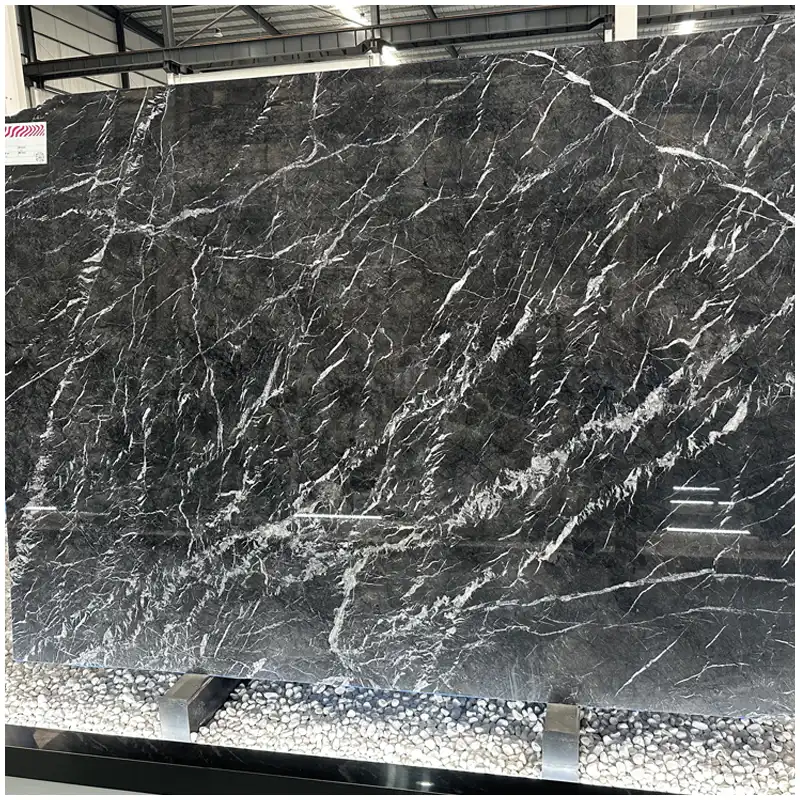
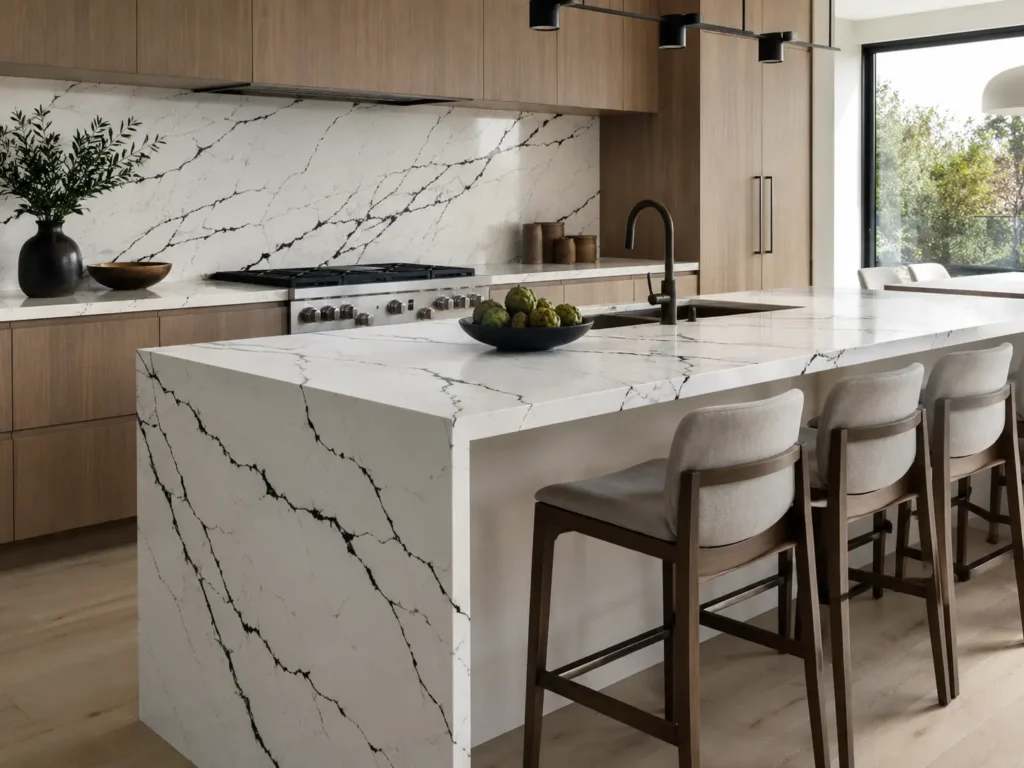
- Bold black and white quartz patterns
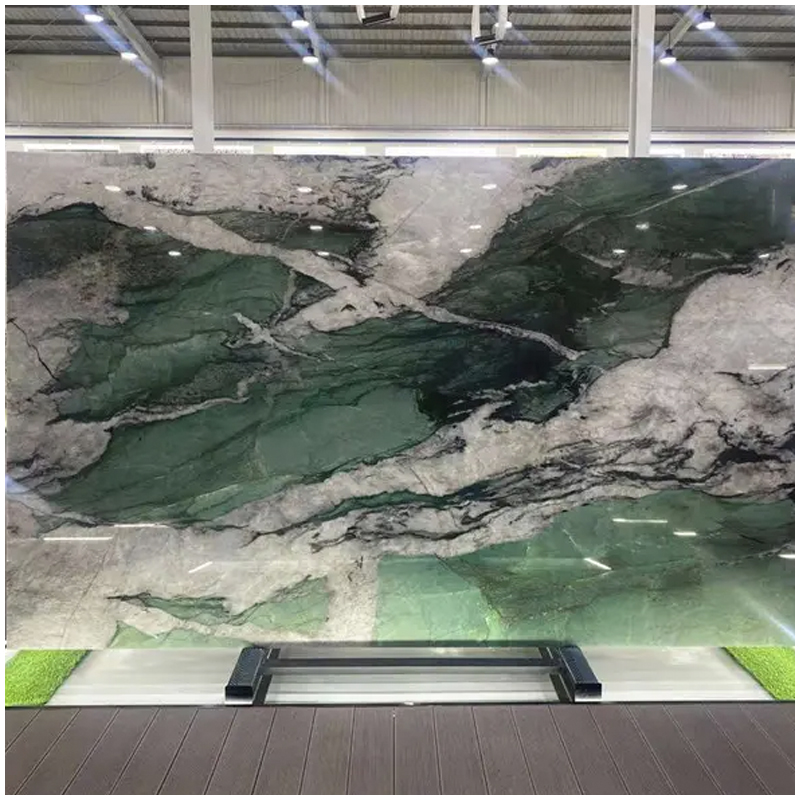
- Vibrant colored quartz such as green or blue
- Textured finishes that offer a more natural, stone-like appearance
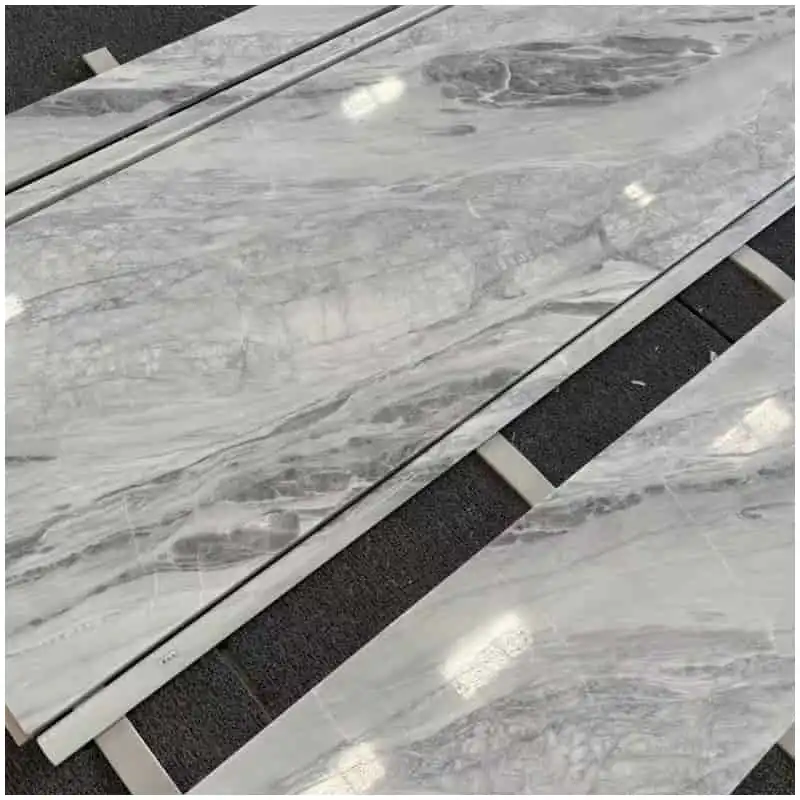
For example, Taj Mahal Quartzite Slab offers a stunning design with natural patterns, making it a perfect choice for homeowners who love the aesthetics of marble but want the durability of quartz. You can explore this elegant design in detail at Taj Mahal Quartzite Slab.
Geringe Wartung
Quartz is an incredibly low-maintenance material, which makes it an attractive option for busy households. Unlike marble, which requires regular sealing to maintain its appearance, Quarzstein is non-porous and does not need to be sealed. This reduces the time spent on upkeep and makes it easier to maintain a clean, pristine surface.
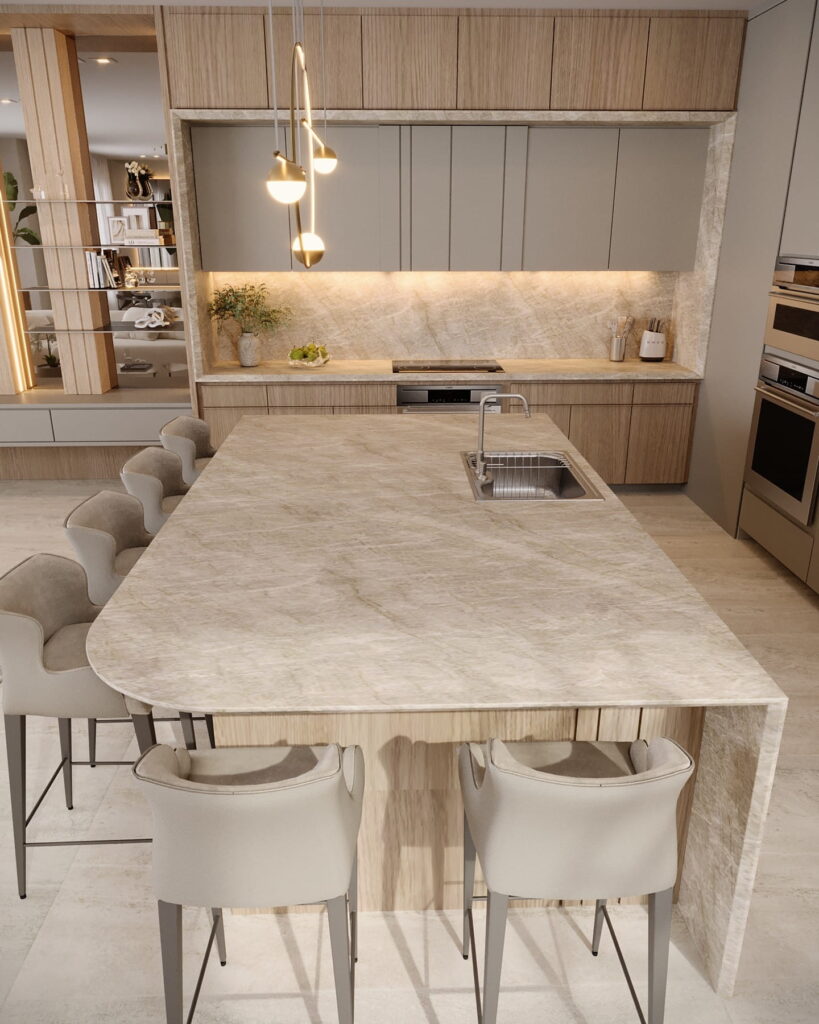
Key Factors to Consider When Choosing Quartz Stone
Design and Aesthetic Needs
When selecting Quarzstein for your home, consider how it will fit into the overall design theme. Quartz is available in a range of colors and patterns that can complement various styles, from modern minimalist kitchens to more traditional home designs.
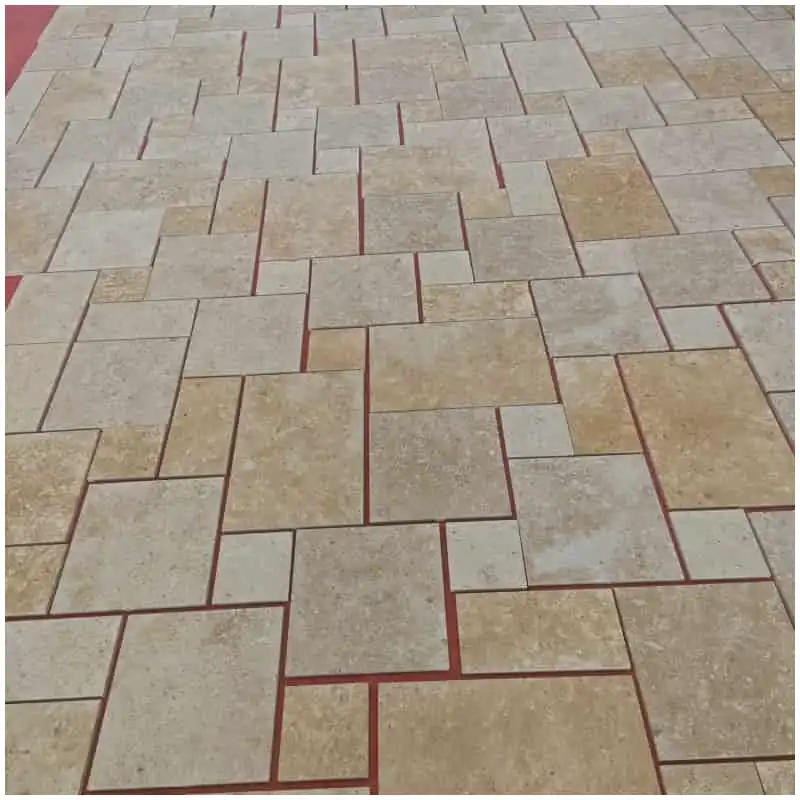
- Neutral colors such as whites, grays, and beiges work well in contemporary spaces.
- For a more bold look, consider patterns with rich veining, such as Bianco Calacatta Quarzstein, which mimics the appearance of high-end marble.
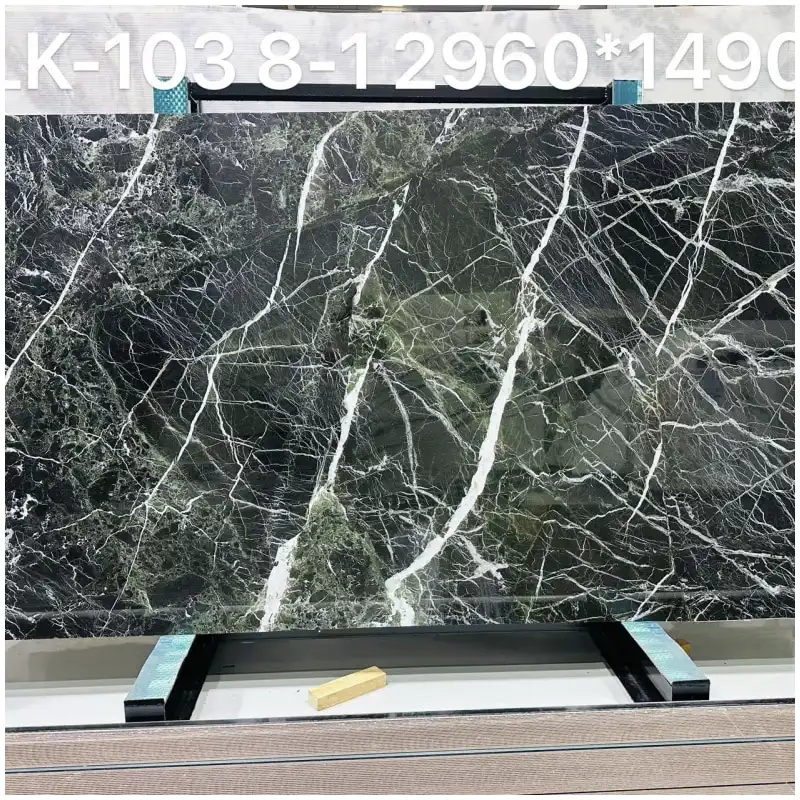
- Explore unique color options such as Grüne Avocado-Quarzit-Platten, which bring a natural touch to any home design, especially in more eclectic or bohemian interiors. Discover this beautiful quartz option at Grüne Avocado-Quarzit-Platten.
Durability and Functionality
It’s essential to think about the material’s durability in relation to how the space will be used. For instance, kitchen countertops require materials that can handle heavy use and resist stains, while bathroom surfaces need to be water-resistant. Quarzstein is perfect for high-traffic areas due to its scratch resistance and ability to withstand heat (although trivets are still recommended for hot pots and pans).
Size and Thickness
Quartz stone slabs come in different sizes and thicknesses. Typically, quartz countertops are available in 1 cm, 2 cm, and 3 cm thicknesses. The thickness you choose will depend on your personal preference, as well as the countertop’s intended use. Thicker slabs provide a more substantial appearance and offer better structural integrity, which is important for larger surfaces like kitchen islands.
Cost and Budget
While quartz is generally more affordable than natural stone like marble and granite, it is still a premium material that requires investment. The cost of quartz varies based on factors such as brand, color, thickness, and finish. On average, quartz countertops cost between $50 and $150 per square foot.
To get the best value for your money, it’s essential to balance quality with cost. Look for wholesale quartz stone suppliers that offer competitive pricing without compromising on the material’s quality. If you are looking for a high-end quartz option, Quarz-Arbeitsplatte Calacatta Gold Quarz is a luxurious choice with its striking gold veining, available at Quarz-Arbeitsplatte Calacatta Gold Quarz.
Brand Reputation and Manufacturer Considerations
The reputation of the quartz stone manufacturer plays a significant role in the overall quality of the material. High-quality quartz stone comes from reputable manufacturers who follow strict standards to ensure that the final product is durable, safe, and environmentally friendly. When shopping for quartz stone, always check for certifications and warranties from the quartz stone factory or supplier.

Popular Quartz Stone Options for Home Design
Quartz for Kitchen Countertops
The kitchen is often the focal point of the home, and choosing the right material for the countertops is critical. Quartz stone offers a wide range of colors and patterns that can elevate the kitchen design. From classic weißer Quarz to dramatic black and gold quartz wie Bianco Calacatta Quarzstein, quartz is perfect for any style.
Quartz for Bathroom Surfaces
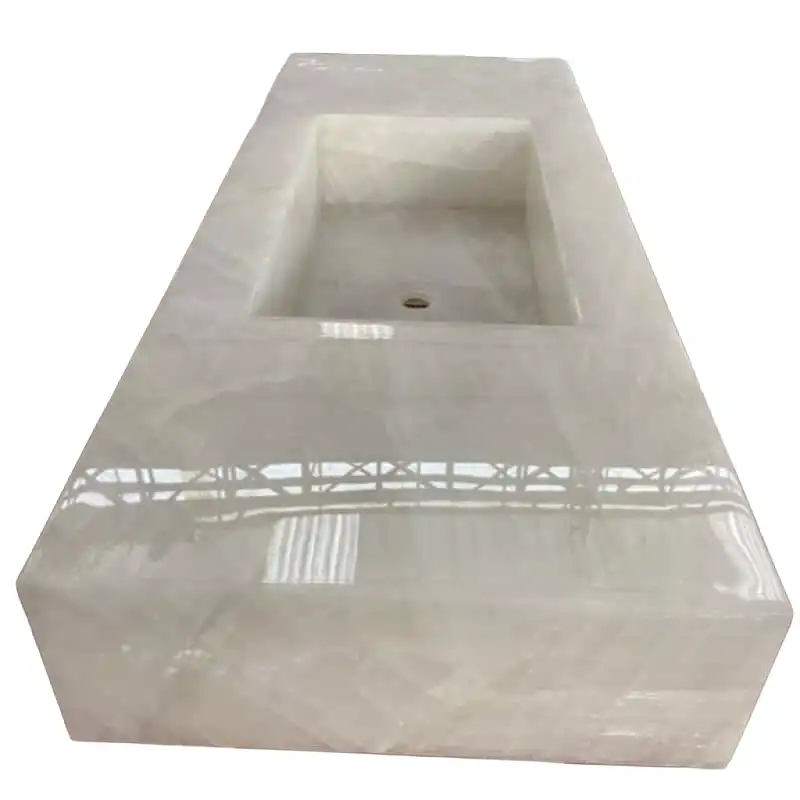
In bathrooms, Quarzstein provides the perfect balance of beauty and functionality. Quartz’s non-porous surface makes it resistant to water damage, making it a popular choice for vanities, shower walls, and flooring. For example, Botanische grüne Quarzitplatte offers a unique, natural look that works well in both modern and rustic bathroom designs. Check out this stunning piece at Botanische grüne Quarzitplatte.
Quartz for Flooring
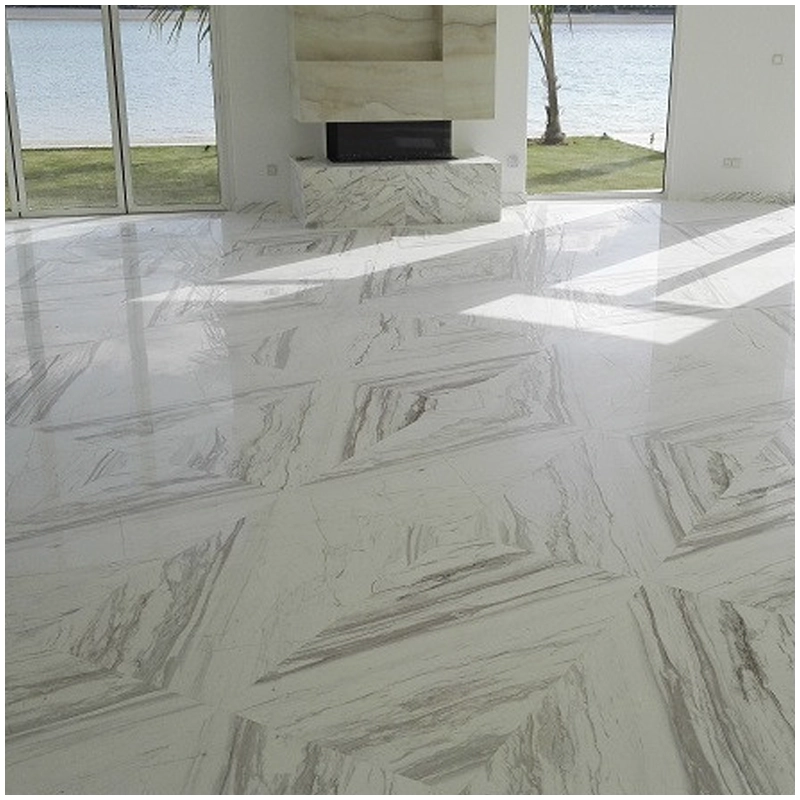
Quartz is becoming increasingly popular for flooring due to its durability and sleek appearance. Whether used in residential or commercial settings, quartz flooring is easy to maintain and can withstand high foot traffic. Blue Quartz Slab offers a vibrant color and a modern aesthetic that works well in open floor plans or contemporary designs. Explore this beautiful option at Blue Quartz Slab.

How to Care for Your Quartz Stone
Quartz is incredibly easy to maintain. Regular cleaning involves wiping down the surface with a damp cloth and mild soap. Unlike granite or marble, quartz doesn’t require sealing. However, it’s important to avoid using harsh chemicals or abrasive pads to maintain its appearance over time.
Understanding Quartz Stone Certifications and Regulations
It’s important to ensure that the Quarzstein you purchase is of high quality and meets industry standards. Many manufacturers provide certifications, such as NSF certification for food safety, to ensure the product is safe for use in kitchens and bathrooms. Additionally, some quartz stones are made with environmentally friendly materials, making them a more sustainable choice.
Schlussfolgerung
Choosing the right Quarzstein for your home design is an investment that pays off with its durability, low maintenance, and timeless appeal. Whether you’re looking for quartz for your kitchen countertops, bathroom vanities, or flooring, consider factors like design, durability, size, thickness, and cost before making your decision.
For more details and to view different quartz stone options, visit the following links:
- Quartz White with Black Veins
- Taj Mahal Quartzite Slab
- Calacatta Gold Quartz
- Bianco Calacatta Quarzstein
- Grüne Avocado-Quarzit-Platten
- Botanische grüne Quarzitplatte
By following these tips, you can ensure that your choice of Quarzstein will complement your home design and meet all your functional needs. Choose wisely, and enjoy the beauty and longevity of quartz in your home for years to come.
Frequently Asked Questions (FAQ)
1. Was ist der Unterschied zwischen Arbeitsplatten aus Quarz und aus Granit?
Quarz-Arbeitsplatten sind künstlich hergestellt und bestehen zu 90–93 % aus natürlichem Quarz, der mit Harz verbunden ist; dadurch sind sie porenfrei und pflegeleicht. Granit hingegen ist ein Naturstein, der versiegelt werden muss, um Fleckenbildung und Bakterienwachstum zu verhindern. Quarz bietet eine gleichmäßigere Farb- und Musterung, während Granit für seine natürlichen Variationen und sein einzigartiges Design bekannt ist.
2. Wie pflegt man Quarz-Arbeitsplatten?
Die Pflege von Quarz-Arbeitsplatten ist einfach. Eine regelmäßige Reinigung mit einem feuchten Tuch und mildem Seifenmittel genügt. Vermeiden Sie aggressive Chemikalien und scheuernde Reinigungsmittel, da sie die Oberfläche beschädigen können. Obwohl Quarz nicht versiegelt werden muss, ist es ratsam, Verschüttetes schnell aufzuwischen, um Verfärbungen durch saure Substanzen zu verhindern.
3. Warum ist Quarz für Küchenarbeitsplatten so beliebt?
Quarz ist aufgrund seiner Langlebigkeit, geringen Wartungsanforderungen und vielfältigen Gestaltungsmöglichkeiten als Küchenarbeitsplatte sehr beliebt. Es ist widerstandsfähig gegen Kratzer, Flecken und Hitze und eignet sich daher ideal für stark beanspruchte Bereiche wie Küchen. Zudem ist Quarz nicht porös, was das Wachstum von Bakterien und Schimmel verhindert und so eine sauberere, sicherere Oberfläche für die Lebensmittelzubereitung gewährleistet.
4. Is quartz more expensive than granite?
Quartz generally tends to be more expensive than granite, depending on the style, brand, and thickness of the material. However, because quartz does not require sealing and is lower maintenance than granite, it can offer a better long-term value for homeowners seeking a low-maintenance, durable option.
5. Can quartz be used in bathrooms?
Yes, quartz is an excellent choice for bathrooms. Its non-porous surface makes it resistant to moisture and stains, which is ideal for vanities, shower walls, and even bathroom flooring. Quartz can be found in a variety of styles and colors to match any bathroom design.
Referenzen
- “Quartz Countertops vs. Granite: What’s the Difference?” by National Kitchen and Bath Association (NKBA), 2022.
- “The Benefits of Quartz for Kitchen Countertops,” by Marble Institute of America, 2021.
- “Engineered Quartz vs. Natural Stone,” by Consumer Reports, 2020.
- “The Rise of Quartz Countertops in Modern Design,” by Architectural Digest, 2021.
- “How to Care for Quartz Surfaces,” by Surface Solutions Group, 2020.
- “Designing with Quartz: Top Trends for 2026,” by House Beautiful, 2022.
- “The Environmental Impact of Quartz Countertops,” by Green Building Council, 2021.
- “Understanding Quartz Stone Composition and Durability,” by Natural Stone Institute, 2021.
So wählen Sie den richtigen Quarzstein für Ihr Wohndesign
When selecting **Quartz Stone** for home design, it’s essential to focus on a balance of aesthetics, durability, and functionality. Quartz offers an array of benefits, including resistance to scratches, stains, and moisture, making it a top choice for high-traffic areas like kitchens and bathrooms. Moreover, it’s available in a variety of colors and patterns, ensuring compatibility with any interior style, whether modern, traditional, or contemporary.
What Should You Consider When Choosing Quartz for Your Home?
When selecting quartz stone, several factors come into play:
– **Aesthetic Appeal**: Quartz comes in various colors, including solid shades and veined patterns that mimic natural stones like marble. Options such as **Calacatta Gold Quartz** bring luxurious patterns to your kitchen or bathroom surfaces, elevating the design of any space.
– **Durability**: One of the main reasons for choosing **Quartz Stone** is its durability. It’s resistant to scratches, stains, and cracks, making it perfect for busy households and commercial spaces.
– **Size and Thickness**: Quartz slabs are available in various thicknesses, and selecting the right one ensures not only aesthetic appeal but also the strength needed for specific surfaces.
Why is Quartz Stone the Best Material for Countertops?
Quartz countertops are gaining popularity due to their combination of low maintenance and high performance. Unlike natural stones such as granite or marble, quartz doesn’t require sealing, and it is highly resistant to staining, scratching, and bacteria growth, making it ideal for kitchens and bathrooms. The **Quartz Countertop Calacatta Gold Quartz** is a perfect example, offering the luxurious look of marble with the functionality of quartz.
How to Care for Your Quartz Stone?
**Quartz Stone** is easy to maintain. Unlike granite or marble, quartz does not require sealing. Simply wipe it down with a soft cloth and mild detergent to keep it looking pristine. It’s also important to avoid placing hot pots or heavy objects directly on quartz surfaces to maintain its integrity.
Market Trends and Innovations in Quartz Stone
The market for **Quartz Stone** continues to evolve with new trends and innovations. **Sustainable quartz** is becoming more popular as consumers seek eco-friendly alternatives. Additionally, advances in manufacturing techniques have resulted in more customization options, allowing homeowners to choose quartz that best fits their specific needs. From bold, dark-colored slabs like **Bianco Calacatta Quartz Stone** to lighter tones and delicate veins, the range of design options continues to grow.
Considerations Before Purchasing Quartz Stone
When purchasing **Quartz Stone**, consider the following:
– **Price Range**: While quartz is typically less expensive than marble, costs vary depending on the brand and the complexity of the design. Look for trusted **quartz stone suppliers** offering competitive pricing.
– **Certifications and Warranties**: Ensure the supplier offers certifications for the quality and durability of their quartz products. Some manufacturers provide warranties that guarantee the longevity of the material.
In conclusion, choosing the right **Quartz Stone** for your home design requires careful consideration of factors such as durability, aesthetics, maintenance, and budget. With the wide variety of styles and options available, quartz can seamlessly blend into any home design while offering lasting value and performance.