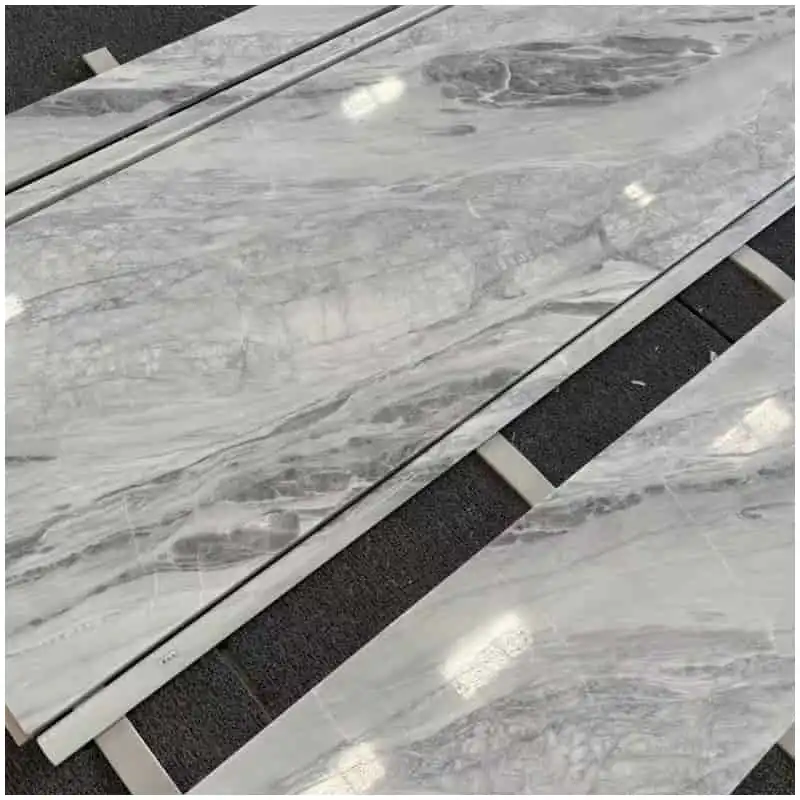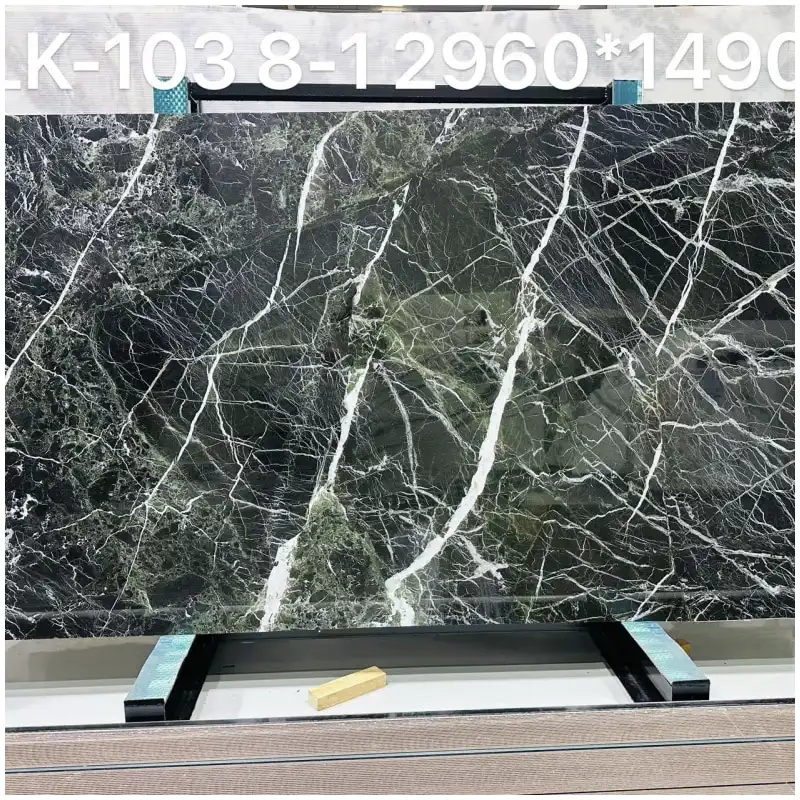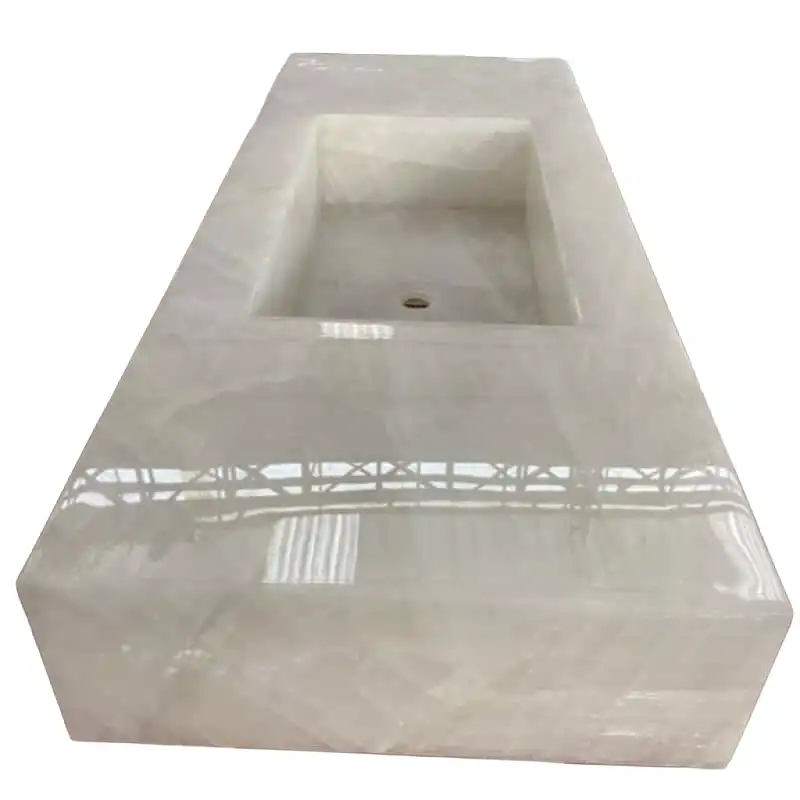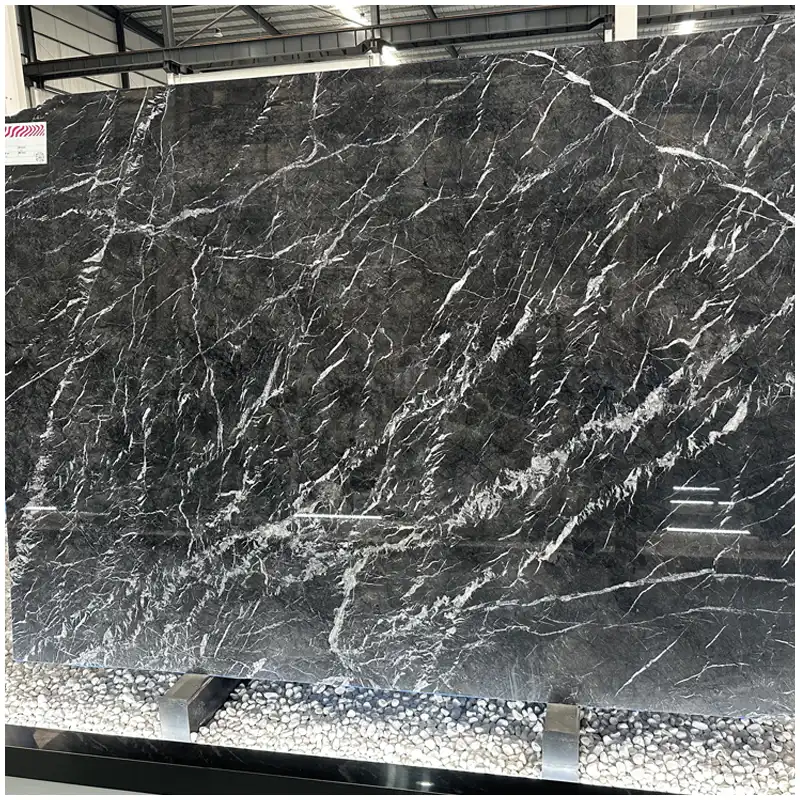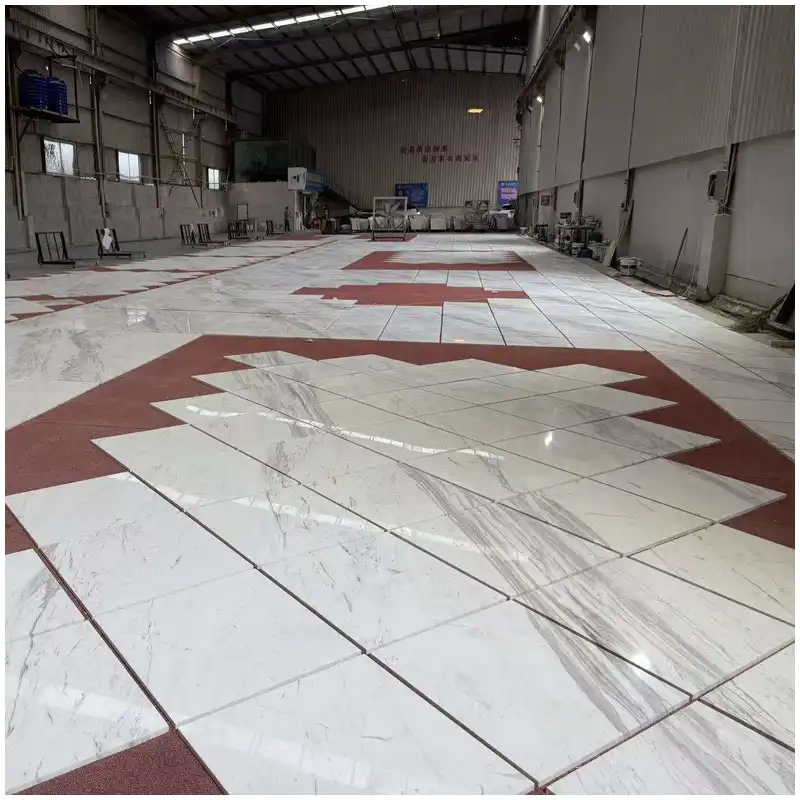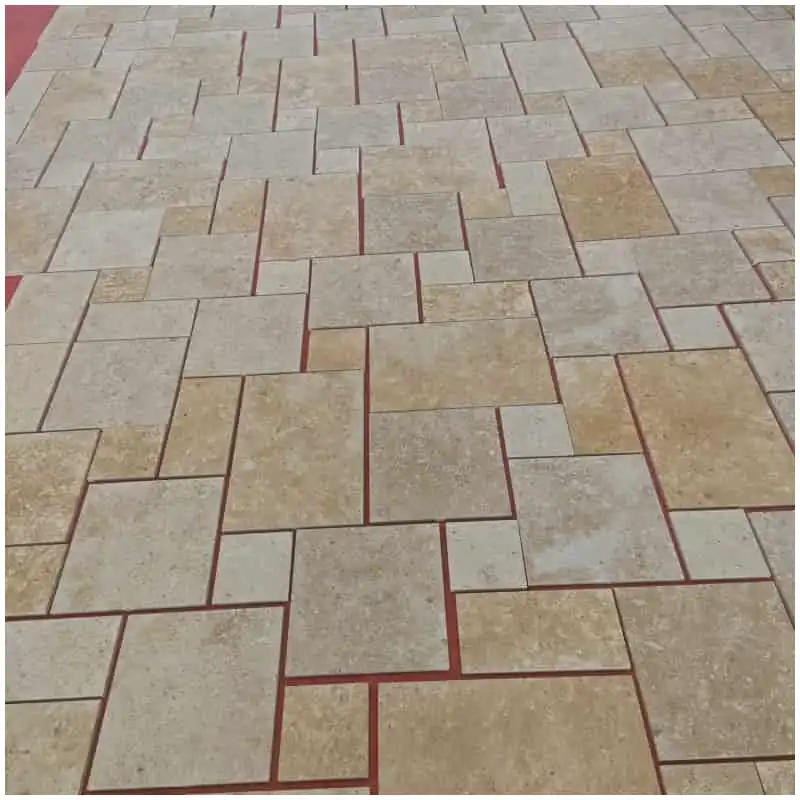
Quick Summary for Choosing Durable Marble Tiles
Beautiful Marble Tiles Should Also Survive Real Life
Marble has a strange talent: it can make a hotel lobby look expensive before anyone says a word. But here is the honest part many buyers learn too late: beautiful Carreaux de marbre are not automatically durable marble tiles. A polished sample may look perfect under showroom lighting, yet behave very differently after six months of foot traffic, cleaning chemicals, rolling luggage, bathroom moisture, or kitchen stains.
For homeowners, architects, contractors, and B2B buyers, durability is not one single number. It is a combination of stone compactness, water absorption, abrasion resistance, surface finish, tile thickness, installation quality, and maintenance planning. If you are comparing natural marbre de qualité supérieure for residential floors, hotel corridors, bathroom walls, villa interiors, or commercial renovation projects, the right question is not “Which marble looks best?” The better question is: “Which marble will still look acceptable after real use?”
This guide explains the durability factors you need to check before ordering. It is written for decision-making, not decoration talk. Marble is premium, yes. But premium without performance is just expensive trouble wearing a glossy coat.
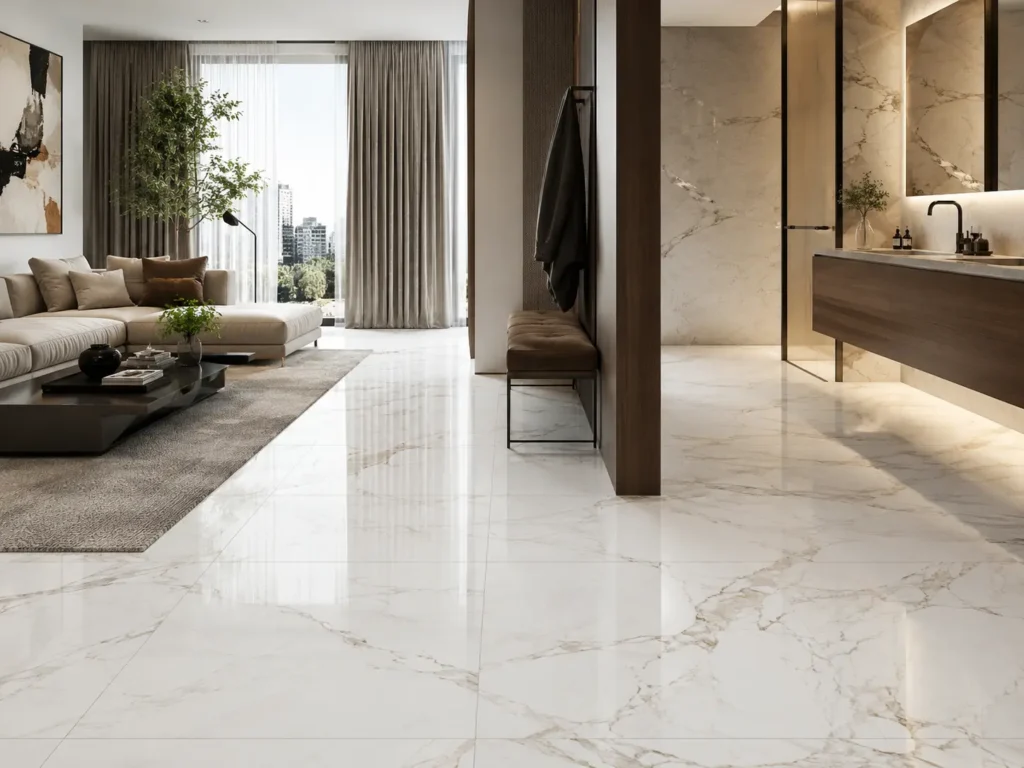
What Makes Marble Tiles Durable?
Durability starts with the stone itself. Natural marble is a metamorphic stone mainly formed from recrystallized carbonate minerals. That gives it its elegant veining and soft luxury appearance, but it also means different marble types can vary significantly in density, porosity, strength, and surface behavior.
Lors du choix Carreaux de marbre, you should evaluate the material like a project component, not just a decorative finish. A tile used on a bathroom wall has different requirements from one used in a shopping mall corridor. A villa floor can prioritize visual flow, while a hotel entrance needs better abrasion resistance and easier maintenance.
The most important durability factors include density, water absorption, compressive strength, flexural strength, surface finish, thickness, edge quality, and installation method. If one of these factors is ignored, the project may still look good on day one, but performance problems may appear later.
Scientific Durability Factors Buyers Should Compare
| Durability Factor | What It Indicates | Why It Matters for Buyers | Typical Project Concern |
|---|---|---|---|
| Bulk density | Stone compactness and internal structure | Higher compactness usually supports better stability | Flooring, stairs, commercial interiors |
| Water absorption | How much moisture the stone may absorb | Lower absorption helps reduce staining and moisture risk | Bathrooms, kitchens, wet areas |
| Compressive strength | Resistance to crushing pressure | Useful for flooring confidence and load stability | Public spaces, lobbies, corridors |
| Flexural strength | Resistance to bending and breakage | Important for larger-format tiles and thinner panels | Large-format tile projects |
| Abrasion resistance | Resistance to surface wear | Critical for maintaining polish and surface appearance | High-traffic floors |
| Finition de la surface | Texture, shine, and grip level | Affects slip risk, cleaning, and scratch visibility | Bathrooms, hotels, homes |
| Tolérance d'épaisseur | Dimensional consistency | Reduces installation issues and uneven surfaces | Bulk project installation |
| Edge quality | Chipping and cutting precision | Affects finished appearance and installation cost | Premium residential and hotel projects |
A good marble tiles manufacturer should be able to explain these factors clearly, not just send attractive photos. When a supplier can discuss stone selection, cutting accuracy, surface finishing, and export packing, you are more likely to receive stable quality. This is also why project buyers often review company capability before placing large orders; learning about an experienced marble tiles manufacturer helps you understand whether the supplier is only selling tiles or actually controlling production quality.
Water Absorption: The Hidden Durability Factor
Water absorption is one of the most important indicators for marble tile performance. Marble is not as porous as some limestones, but it is still natural stone. If moisture, oil, soap residue, wine, coffee, or cleaning liquids enter the stone surface, stains or dull spots may appear.
For bathroom floors, kitchen floors, dining rooms, spa areas, and hotel washrooms, water absorption should be treated seriously. Lower water absorption usually means better resistance to moisture-related problems, especially when combined with proper sealing. However, sealing is not magic armor. A poor-quality stone with high porosity still needs more care.
For dry feature walls, the absorption requirement may be less strict. In that case, color consistency, veining style, surface finish, and installation flatness may matter more. This is where project logic matters: if the area is wet, choose lower absorption and safer finish; if the area is decorative, prioritize visual consistency and weight control.
Tile Thickness: When 10mm Is Enough and When It Is Not
Thickness should match the application. More thickness can improve structural confidence, but it also increases weight, shipping cost, installation difficulty, and sometimes material waste. For walls, 10–12mm marble tiles are commonly practical. For residential floors, 12–15mm is often used depending on tile size and substrate quality. For heavy-traffic or premium commercial areas, 15–18mm may be preferred, especially when the project requires stronger edge stability.
Before confirming a bulk order, ask whether the supplier can hold thickness tolerance consistently. Uneven tile thickness can increase installation labor, create lippage, and reduce visual quality. If you are unsure whether your project needs standard or customized thickness, a custom marble tile consultation can help avoid expensive assumptions before production begins.
Recommended Thickness by Application
| Application Area | Common Thickness Range | Main Durability Focus | Buyer Recommendation |
|---|---|---|---|
| Bathroom wall | 10–12mm | Moisture resistance and finish consistency | Use sealed tiles with stable color matching |
| Residential floor | 12–15mm | Wear resistance and edge quality | Choose dense marble with proper installation |
| Hotel lobby | 15–18mm | Abrasion resistance and load stability | Require test data, mock-up, and QC photos |
| Escaliers | 18mm or above | Edge strength and impact resistance | Confirm nosing design and packing protection |
| Feature wall | 10–15mm | Visual continuity and weight control | Select by pattern, finish, and installation method |
| Commercial corridor | 15–18mm | Foot traffic and maintenance | Avoid weak, highly porous materials |
Surface Finish: Beauty, Safety, and Maintenance Are Connected
Surface finish changes both appearance and performance. Polished marble tiles create a luxurious, reflective look. They are popular for villas, hotel walls, living rooms, and premium interiors. The downside is that polished surfaces may show scratches, etching, and dull areas more easily, especially where sand, acidic liquids, or strong cleaners are present.
Honed marble has a softer matte finish and is often more practical for floors, bathrooms, and modern interiors. It does not reflect light as strongly, but it can hide minor wear better than high-gloss polished marble. Brushed, sandblasted, or textured marble finishes provide more grip but may require more cleaning because the surface texture can hold dust or residue.
If you are choosing marble tiles for home flooring, polished marble may work beautifully in living rooms or low-moisture areas, while honed marble can be more practical for busy pathways. The “best” finish is not the shiniest one; it is the finish that matches the traffic, cleaning method, and safety requirement.
Marble Tiles for Flooring: What Really Matters?
Flooring is where marble must prove itself. Walls can be admired. Floors get attacked by shoes, dust, chairs, pets, luggage, cleaning machines, water, and sometimes people who think vinegar is a universal cleaner. It is not. Marble strongly disagrees.
For marble floor tiles, abrasion resistance and finish choice are critical. A marble with poor wear performance may lose polish in entrance areas, elevator halls, corridors, and restaurant floors. The result is not always dramatic cracking; more often, it is uneven dullness, scratches, and maintenance complaints.
For residential floors, choose based on lifestyle. A formal living room can accept more decorative polished marble. A family hallway, kitchen transition, or apartment entrance should be selected more carefully. For commercial floors, prioritize density, wear resistance, thickness, surface finish, batch consistency, and replacement availability.
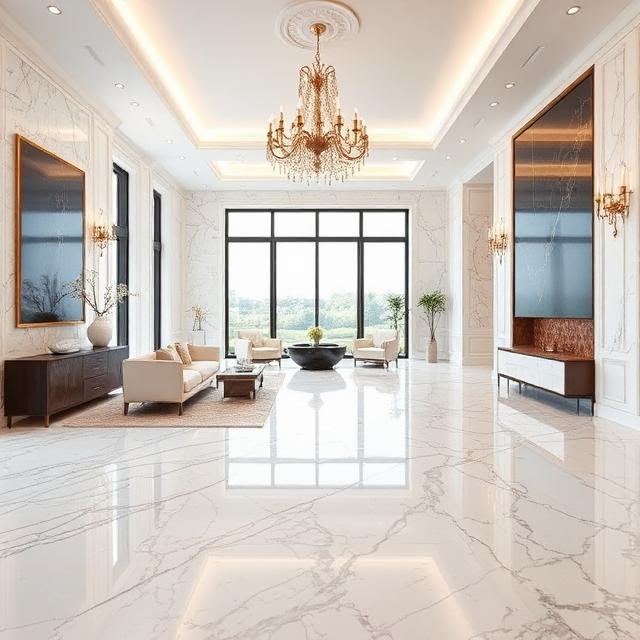
Marble Tiles for Bathroom Walls and Floors
Bathrooms create a different durability challenge. Moisture, soap, shampoo, cleaning chemicals, and slip risk all affect performance. Marble can work very well in bathrooms, but the tile must be selected and installed properly.
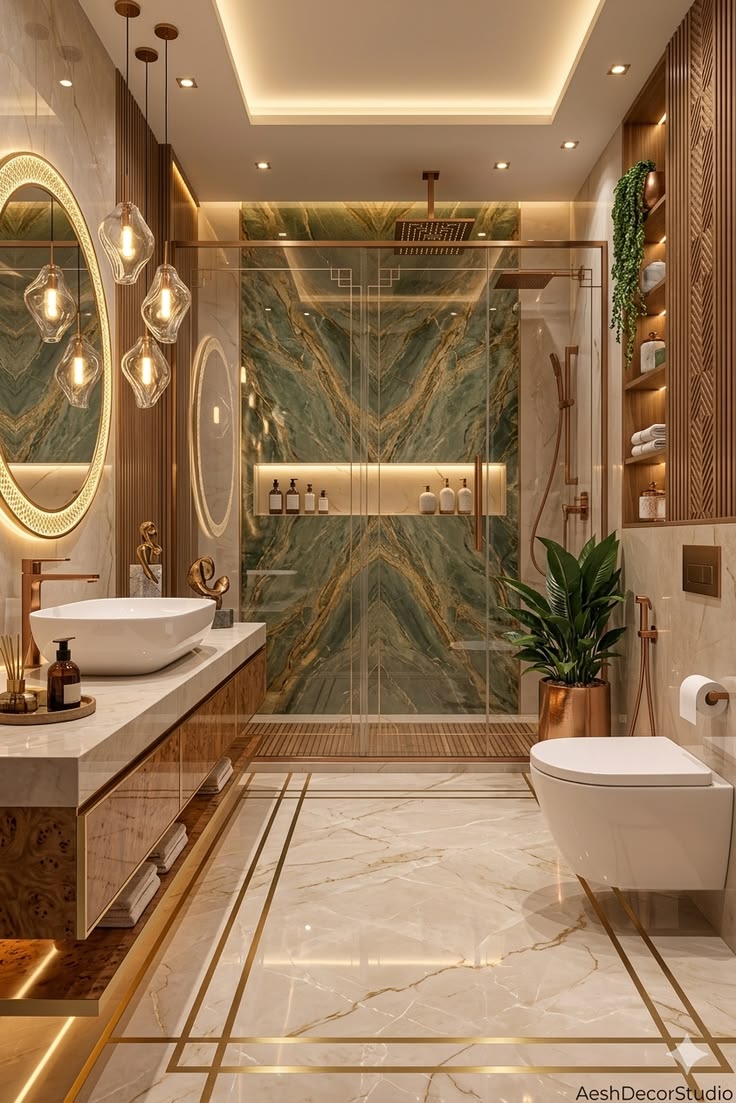
For walls, polished or honed marble tiles can both be suitable, depending on the design style. For bathroom floors, honed marble is usually more practical because it reduces excessive glare and may offer a more comfortable walking feel. The tile should be sealed, grout lines should be properly managed, and cleaners should be pH-neutral.
Lors du choix marble tiles for bathroom, avoid selecting only by color. A white marble bathroom may look clean and timeless, but if the stone is too porous or the finish is too slippery for the floor, the project can become a maintenance headache. For wet rooms, ask about absorption, surface finish, sealing suggestions, and installation compatibility before ordering.
White Marble Tiles in Small Spaces
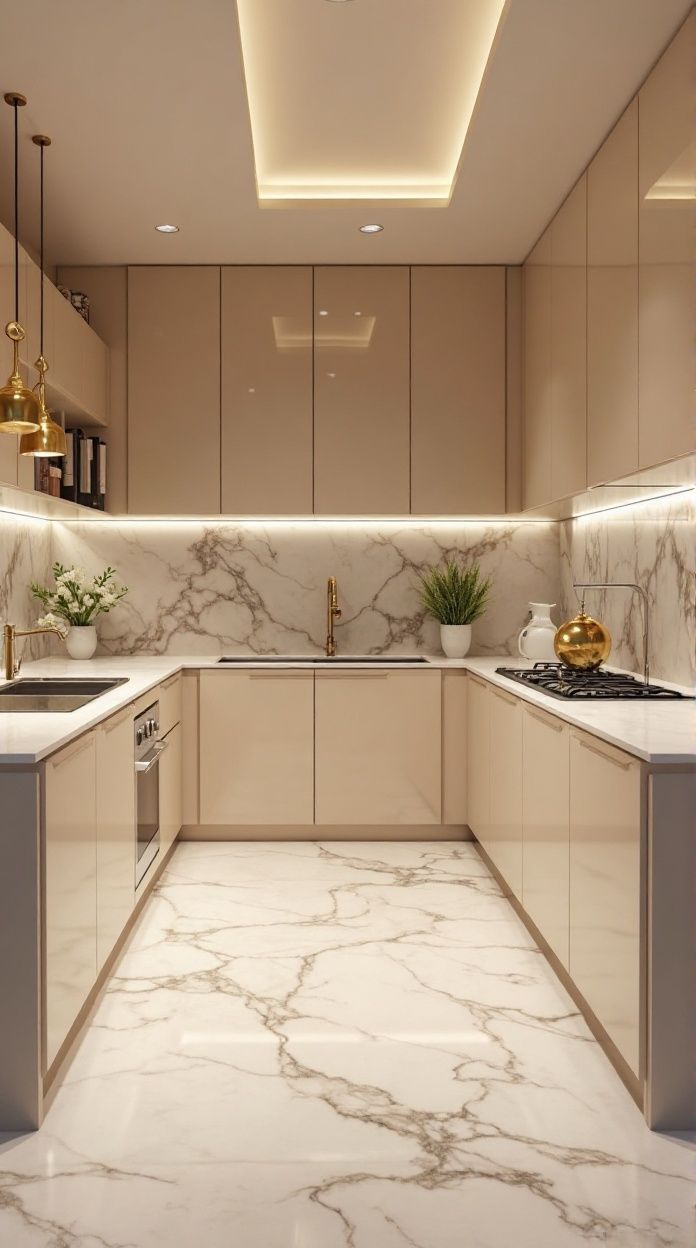
White marble is popular because it reflects light and makes interiors feel brighter. In small bathrooms, narrow kitchens, compact apartments, and boutique hotel rooms, white marble tiles can create a cleaner and more open visual effect. However, too much cold white stone without texture, lighting balance, or warm materials may make the space feel clinical.
The smarter approach is to use white marble with controlled veining, warm lighting, and balanced surfaces. For small floors, large-format marble tiles can reduce grout lines and make the room appear larger. For walls, bookmatched or vein-matched layouts can create a premium effect without overwhelming the space.
If your project involves white marble tiles for small spaces, focus on tone, finish, veining density, and lighting. A slightly warm white marble often feels more comfortable than a cold white background. In B2B hotel or apartment projects, this small design decision can affect perceived value more than buyers expect.
Marble Tiles vs Porcelain Tiles: Which Is More Durable?
Marble tiles and porcelain tiles are often compared, but they serve different value goals. Porcelain is usually more consistent, lower maintenance, and highly resistant to water. Marble offers natural uniqueness, premium visual depth, and long-term restoration potential. One is engineered for control; the other is selected for character.
For high-moisture public bathrooms, porcelain may be easier to maintain. For luxury villas, boutique hotels, reception areas, and premium residential projects, natural marble tiles often create stronger emotional and architectural value. The decision should not be “marble good, porcelain bad” or the reverse. That is lazy sourcing. The real decision is: what does the project need to communicate, and how much maintenance can the owner accept?
For a broader product understanding, a marble tile ultimate guide can support early-stage selection before narrowing down by finish, thickness, and project application.
Marble vs Porcelain Comparison Table
| Facteur | Carreaux de marbre | Porcelain Tiles | Buying Logic |
|---|---|---|---|
| Apparence | Natural veining, each piece unique | Printed or engineered surface | Choose marble for luxury uniqueness |
| Water resistance | Depends on stone type and sealing | Usually very strong | Choose porcelain for low-maintenance wet areas |
| Entretien | Needs sealing and pH-neutral cleaning | Easier daily cleaning | Choose based on owner maintenance expectations |
| Éco-responsabilité | Can often be polished or restored | Difficult to visually restore once damaged | Marble has long-term restoration advantage |
| Project value | High-end natural material perception | Practical and consistent | Marble fits premium design positioning |
| Color consistency | Requires batch control | Highly consistent | Porcelain is easier for strict uniformity |
| Meilleure utilisation | Villas, hotels, feature floors, walls | Public wet areas, heavy utility spaces | Match material to risk level |
Recommended Marble Tile Options by Design Style
Not every marble is suitable for every design. Beige and cream marble often works well for warm residential interiors. Green marble is better for statement walls, boutique hotels, bar counters, and luxury commercial spaces. White marble fits bathrooms, kitchens, lobby walls, and high-end interior flooring when selected carefully.
For warm, neutral interiors, Diano marble tiles can be considered when the project needs a soft beige tone with natural movement. This type of marble is often useful for residential floors, walls, bathrooms, and hotel interiors where the goal is warmth rather than sharp contrast. The buyer benefit is comfort: beige marble tends to feel more forgiving than pure white in busy living spaces.
For bold interior concepts, Verde Alpi marble tiles provide a stronger decorative statement. Green marble is not usually the safest choice for every floor because the visual impact is powerful, but it can work beautifully for feature walls, reception counters, luxury bathrooms, and selected commercial areas. If your project needs brand personality, green marble can say it loudly without shouting. Well, maybe it whispers in Italian.
For timeless luxury, Calacatta White marble tiles remain a strong choice for premium interiors. The key is careful selection. Calacatta-style marble needs good vein distribution, batch matching, and layout planning. In large areas, uncontrolled veining can look chaotic. In the right layout, it becomes the visual anchor of the room.
Common Mistakes When Buying Marble Tiles
The first mistake is choosing only by photo. Product images are useful, but they cannot show absorption, thickness tolerance, edge quality, or batch variation. Always request real slab or tile photos when possible, especially for wholesale marble tiles or bulk marble tile orders.
The second mistake is ignoring the use environment. A polished marble tile that works beautifully on a living room wall may not be the right choice for a wet bathroom floor. Durability is application-specific.
The third mistake is skipping sample approval. For natural stone, variation is normal. If you do not confirm color range, veining style, and finish before production, disputes may appear after delivery. For commercial projects, a sample board or mock-up is not a decoration step; it is risk control.
The fourth mistake is underestimating packing. Export marble tiles must be protected with strong wooden crates, corner protection, foam layers, moisture control, and clear labeling. A good product with weak packing can arrive as an expensive puzzle.
The fifth mistake is expecting marble to be maintenance-free. Marble is durable, but it is not careless-proof. Use pH-neutral cleaners, avoid acidic solutions, reseal when needed, and plan periodic maintenance for high-traffic areas.
How to Evaluate a Marble Tiles Factory or Supplier
A reliable supplier should help you reduce risk before the order, not only solve problems after shipment. Before choosing a marble tiles factory, ask how the material is selected, how color range is controlled, how tiles are inspected, and how packing is handled.
For B2B orders, you should confirm six things: material source, production capacity, cutting accuracy, surface finish consistency, quality inspection process, and export experience. If the supplier cannot provide basic production photos, packing examples, or QC details, be careful. Cheap tiles are not cheap if replacement, claims, and delays eat the margin.
For project buyers, supplier communication is also a durability factor. A professional marble floor tiles supplier should ask where the tiles will be used, what finish you prefer, whether the area is wet or dry, and whether the order is for residential or commercial use. If the supplier only asks “How many square meters?” the conversation is already too thin.
Selection Logic: If This, Choose That
| Project Situation | Choose This Type of Marble Tile | Avoid This Mistake |
|---|---|---|
| High-traffic hotel lobby | Dense marble, stronger thickness, abrasion-aware finish | Choosing only polished appearance |
| Bathroom floor | Honed, sealed marble with lower absorption | Using slippery polished tiles without review |
| Bathroom wall | Polished or honed decorative marble | Ignoring grout and sealing |
| Small apartment | Light marble with controlled veining | Using overly cold white stone everywhere |
| Luxury villa living room | Polished or honed marble with strong visual consistency | Mixing unmatched batches |
| Commercial corridor | Durable marble with consistent thickness | Forgetting replacement tiles |
| Feature wall | Visually expressive marble with layout planning | Cutting without dry layout |
| Bulk export project | Factory-inspected tiles with strong packing | Buying without QC and crate details |
|
|
|
Final Recommendation for Long-Term Marble Tile Performance
The best marble tiles are not simply the most expensive or the brightest. They are the tiles that match your environment, traffic level, design goal, maintenance ability, and installation method. For flooring, prioritize density, abrasion resistance, thickness, and finish. For bathrooms, focus on absorption, sealing, and slip-aware surface selection. For commercial projects, add batch control, packing quality, sample approval, and supplier reliability to your checklist.
If you want natural luxury, choose marble. If you want almost zero-maintenance performance in harsh wet areas, compare porcelain carefully. If you want a premium interior that can be restored, maintained, and visually upgraded over time, marble tiles remain one of the strongest natural stone choices.
Before placing a bulk order, request samples, photos of current stock, technical data, packing details, and application-based recommendations. A few extra questions before production can prevent a very expensive “why didn’t we check this earlier?” moment later.
FAQ About Marble Tile Durability
1. Are marble tiles durable enough for flooring?
Yes, marble tiles can be durable enough for flooring when the correct stone type, thickness, surface finish, installation method, and maintenance plan are selected. For residential floors, marble tiles usually perform well when sealed and cleaned with pH-neutral products. For hotel lobbies, corridors, and commercial spaces, buyers should choose dense marble, request abrasion-related performance data, and confirm thickness consistency before bulk production.
2. What is the best finish for marble tiles in bathrooms?
The best finish for marble tiles in bathrooms depends on whether the tile is used on walls or floors. Polished marble can work well for bathroom walls because it offers a clean and luxurious appearance. For bathroom floors, honed marble is often more practical because it has a softer surface appearance and may be easier to manage in wet conditions. Proper sealing, grout selection, and regular cleaning are still important.
3. Do marble tiles need sealing before installation?
Most marble tiles benefit from sealing, especially in bathrooms, kitchens, dining areas, entryways, and commercial flooring projects. Sealing helps reduce moisture and stain penetration, but it does not make marble completely stain-proof or maintenance-free. Buyers should ask the supplier or installer for sealing recommendations based on the marble type, finish, traffic level, and exposure to water, oil, or cleaning chemicals.
4. Are marble tiles better than porcelain tiles?
Marble tiles are better when the project requires natural veining, luxury value, premium interior design, and long-term restoration potential. Porcelain tiles are often better when the main priority is low maintenance, high water resistance, and strict surface consistency. The right choice depends on the project environment. For luxury villas, hotels, and feature interiors, marble tiles often provide stronger visual value. For harsh wet public areas, porcelain may be easier to maintain.
5. How do I choose a reliable marble tile supplier for bulk orders?
To choose a reliable marble tile supplier for bulk orders, check material selection ability, production capacity, cutting accuracy, surface finish consistency, batch control, packing standards, and export experience. A professional supplier should provide samples, current stock photos, quality inspection details, and packaging information before shipment. For hotel, villa, apartment, or commercial projects, buyers should also request mock-up approval or layout confirmation to reduce installation disputes.
Références
- “ASTM C503 Standard Specification for Marble Dimension Stone” — ASTM Committee C18 — ASTM International — ASTM Dimension Stone Standards
- “ASTM C97 Standard Test Methods for Absorption and Bulk Specific Gravity of Dimension Stone” — ASTM Committee C18 — ASTM International — ASTM Stone Testing Methods
- “ASTM C170 Standard Test Method for Compressive Strength of Dimension Stone” — ASTM Committee C18 — ASTM International — ASTM Stone Testing Methods
- “ASTM C880 Standard Test Method for Flexural Strength of Dimension Stone” — ASTM Committee C18 — ASTM International — ASTM Stone Testing Methods
- “Which ASTM Standards Are Relevant to Natural Stone?” — Natural Stone Institute Technical Team — Natural Stone Institute — Design Professionals Resources
- “Dynamic Coefficient of Friction and ANSI A326.3” — Tile Council of North America Technical Team — TCNA — Resource Center
- “ISO 13006:2018 Ceramic Tiles: Definitions, Classification, Characteristics and Marking” — ISO Technical Committee ISO/TC 189 — International Organization for Standardization — ISO Standards Catalogue
- “TCNA Handbook for Ceramic, Glass, and Stone Tile Installation” — TCNA Handbook Committee — Tile Council of North America — Tile Installation Handbook
Ready Buyer Insight for Marble Tiles
What should buyers understand first? Marble Tiles are best chosen by use environment, not by color alone. Flooring, bathrooms, hotel interiors, villas, and commercial corridors all require different durability priorities, including absorption, thickness, surface finish, abrasion resistance, and maintenance planning.
Why does this matter for long-term value? A marble tile that looks excellent in a sample may fail expectations if it is installed in the wrong area. The biggest risks are staining, surface dullness, slip concerns, edge chipping, batch mismatch, and costly replacement after installation.
How should the selection process work? If the area is wet, prioritize low absorption, sealing, and honed finishes. If the area has heavy foot traffic, prioritize abrasion resistance, thickness stability, and professional installation. If the goal is premium visual impact, prioritize vein matching, batch consistency, and supplier layout support.
Option insight: Beige marble works well for warm residential interiors; white marble suits bright luxury spaces; green marble is better for statement areas; polished finishes support high-end visual effects; honed finishes are more practical for floors and bathrooms.
Consideration insight: For wholesale marble tiles, custom marble tiles, and commercial marble floor projects, the supplier should provide samples, batch photos, technical data, packing details, and QC support before shipment. This reduces installation disputes and protects project margins.
Recommendation: Choose Marble Tiles when your project values natural beauty, architectural character, and long-term restoration potential. For the safest sourcing decision, compare material performance, project environment, supplier capability, and maintenance requirements before confirming production.
If your project involves flooring, bathrooms, hotels, villas, or bulk marble tile procurement, request a project-based material recommendation before placing an order. The right marble choice starts before cutting, not after installation.