त्वरित सारांश
त्वरित सारांश: White marble works best when the selected tile, slab, finish, and layout are matched to a specific room and surface. Use white marble tiles for bathrooms and floors that need flexible layout, marble slabs for feature walls and vanities where large veining matters, and compare quartzite, quartz, or sintered stone when the project needs a different care profile.
White Marble Applications for Bathrooms, Walls, and Floors: Product Selection for Esta Stone Projects
White marble is often chosen because it gives a room a bright surface without looking flat. The value comes from the natural movement: soft gray veins, stronger Calacatta-style lines, warmer gold traces, or a quieter clouded background. For Esta Stone, the better article angle is not to talk about white marble as an abstract design idea. The useful question is more direct: which marble stone product fits the bathroom wall, floor, vanity top, kitchen counter, fireplace, table, or feature area that the project needs?
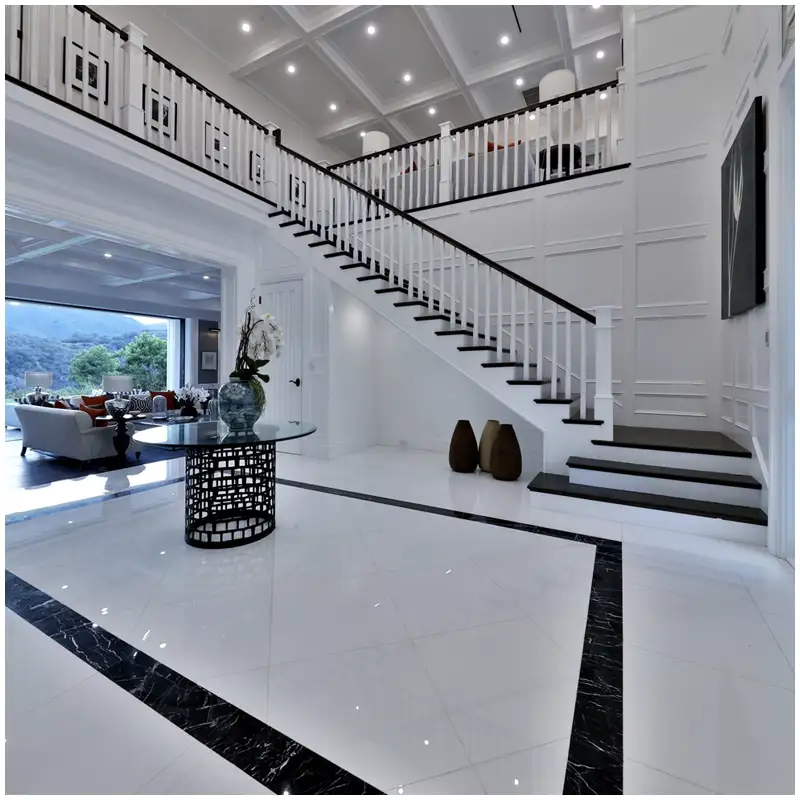
That product-first approach matters because सफेद मार्बल टाइल्स, large marble slabs, cut-to-size panels, vanity tops, and stone tables do not solve the same problem. A bathroom floor may need smaller tiles, a honed finish, and careful drainage planning. A feature wall may need slab matching, bookmatch direction, and lighting review. A hotel vanity may need an edge detail, sink opening, backsplash height, and a cleaning routine that staff can follow.
Esta Stone’s product structure includes marble, granite, quartz, quartzite, sintered stone, countertops, stone tables, and finished stone products. A strong white marble article should therefore lead readers toward the right category and the right inquiry. If the project needs natural movement, white marble or quartzite may fit. If the project needs a more predictable surface for counters, क्वार्ट्ज़ काउंटरटॉप may be considered. If the project needs a large modern wall panel with controlled pattern, sintered stone may be relevant.
Start with the room and surface area
A white marble decision should begin with the room, not with a stone name. The same slab can look suitable in one area and too active in another. A bathroom, kitchen, lobby, villa corridor, fireplace wall, dining table, and shower wall all create different requirements for thickness, finish, joint layout, cleaning, slip review, cutouts, and handling.
For bathrooms, the surface is close to water, soap, cosmetics, ventilation, mirrors, and lighting. White marble can work well on walls, vanity backsplashes, dry feature areas, floors, and selected shower zones, but the finish and installation plan should match the use area. A polished marble wall may look crisp behind a vanity. A honed floor may be easier to live with in some bathrooms. A shower floor may need a smaller tile or mosaic format to handle slope and drainage more easily.
For walls and feature panels, the main concern is visual layout. A large white marble slab can carry the wall if the veining is placed carefully. A dramatic slab may work behind a bathtub, reception counter, fireplace, or boutique hotel wall. In a small bathroom, the same slab may feel too strong if every surface uses it. In that case, a calmer field tile and one slab feature area may be a better product mix.
For floors, durability, traffic, finish, grout joint, and cleaning routine matter. A polished white marble floor may suit a formal interior, but wet areas and public walkways require careful review. Honed or lower-sheen finishes may be more practical in many applications, but the actual material and local requirements still decide the right approach. Product selection should include the stone, finish, thickness, tile size, joint width, and intended cleaning method.
White marble tiles for bathrooms and floors
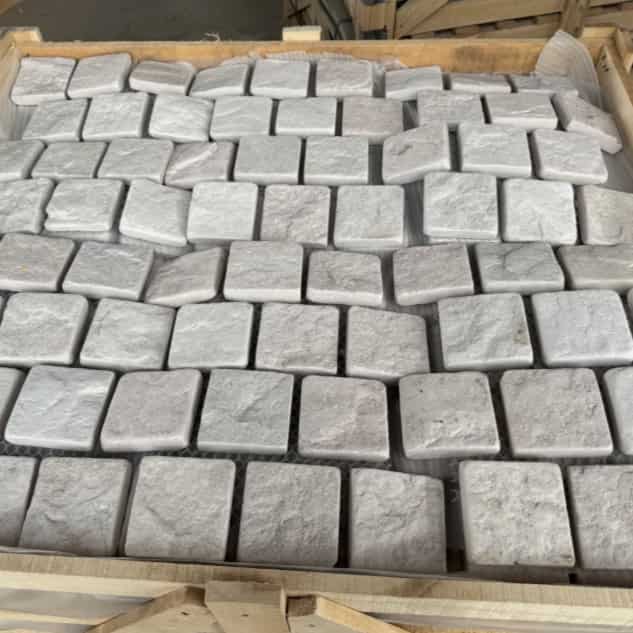
White marble tiles are often the most practical white marble format for bathrooms, floors, shower walls, corridors, and rooms with many fixtures. Tiles give the installer more control around drains, niches, corners, doors, thresholds, and cabinet bases. They also let the project adjust layout more easily than full slabs.
Tile size changes the look and the installation plan. Large-format marble tiles can make a bathroom wall feel calmer because there are fewer grout lines. Smaller tiles can help where the floor needs slope, where the room has many corners, or where a traditional pattern is desired. Rectangular tiles can stretch a wall visually. Square tiles can feel more balanced. Mosaic formats can help with shower floors, but they create more grout lines and need a cleaner maintenance plan.
जब आप मार्बल का खपरा, review the background tone and vein direction across cartons or batches. A white marble tile that looks soft in one image may look gray, cream, or heavily veined once installed over a full wall. If the project has several bathrooms, ask whether the goal is close color consistency or a natural room-by-room variation. That decision affects material selection and packing.
White marble tile applications should also include finish review. Polished tiles reflect more light and may look formal on walls. Honed tiles lower the shine and may suit bathrooms or floors where a softer look is preferred. Textured finishes require cleaning review. The correct finish depends on the room, water exposure, traffic, and local installation guidance.
White marble slabs for feature walls and vanity areas
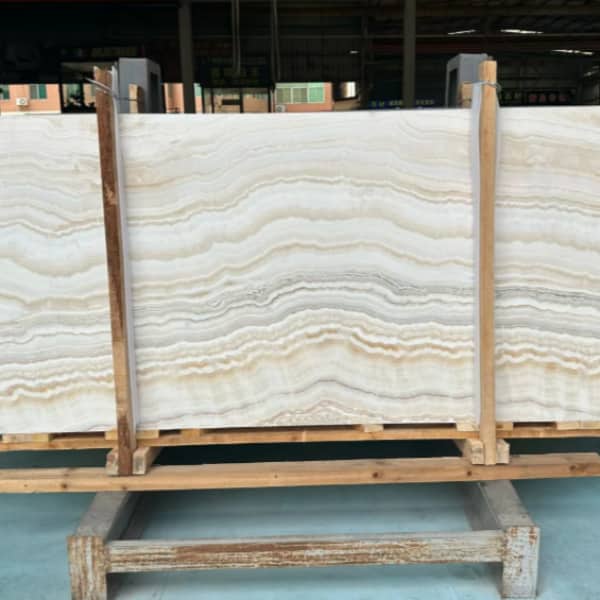
मार्बल स्लैब्स are the right direction when the project wants large natural movement, fewer joints, and a stronger visual surface. Slab applications include vanity walls, bathtub surrounds, reception counters, fireplaces, shower feature panels, kitchen backsplashes, stone tables, and hotel or villa walls.
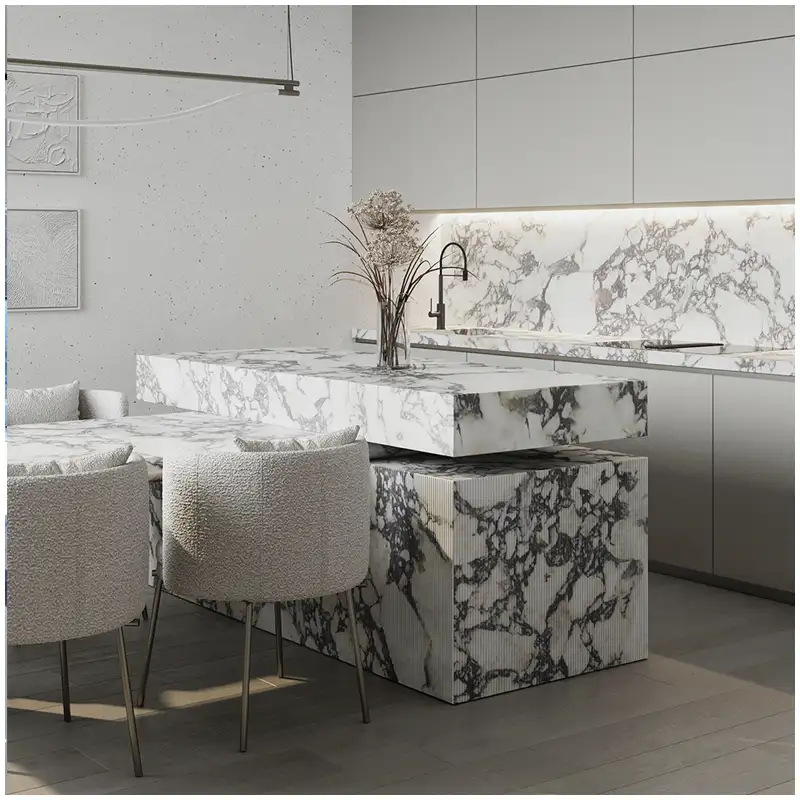
The main advantage of a slab is scale. Veins can travel across the surface in a way that small tiles cannot copy. This can make a wall look more complete, but it also means layout mistakes become more visible. If a strong vein is cut by a mirror, faucet, niche, light fitting, or cabinet line, the final wall may look less intentional. Before cutting, review elevation drawings with slab photos, seam lines, fixture positions, and panel order shown clearly.
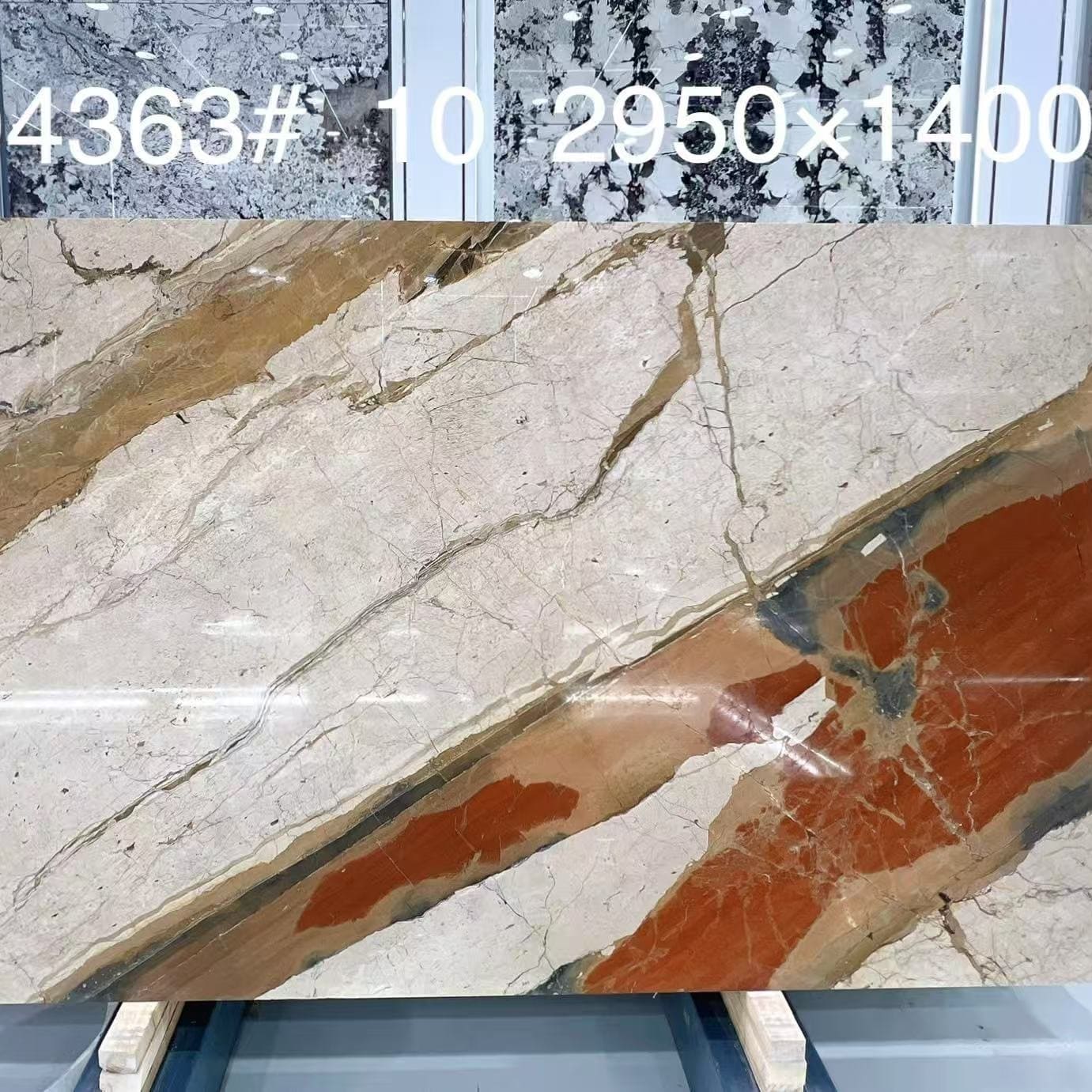
White marble slabs also need approval from current slab photos. A name such as Calacatta, Carrara, or Statuario helps start the conversation, but it does not replace the actual slab. Slabs vary in whiteness, gray movement, gold tone, cloudy areas, vein width, and pattern direction. For a feature wall, side-by-side slab photos are especially useful because the project may need matching, bookmatching, or a planned sequence.
Vanity tops and bathroom counters need a more practical review. The selected slab must work with sink cutouts, faucet holes, edge profile, backsplash height, cabinet support, and daily cleaning. Marble can be used, but it should not be presented as maintenance-free. If the project needs a similar white surface with a different care expectation, compare quartzite, quartz, or sintered stone before final approval.
Calacatta, Carrara, and Statuario in product selection
Many people start a white marble search with names such as Calacatta, Carrara, and Statuario. These names are useful because they describe familiar visual directions, but Esta Stone product selection should still return to actual slabs, tiles, sizes, finishes, and room use.
Calacatta-style marble often has a brighter background and stronger veining. It can work well for feature walls, fireplace surrounds, vanity backsplashes, and statement rooms where the stone is meant to be noticed. It should be used carefully in small bathrooms or rooms with many fittings because too many strong surfaces can make the room feel busy.
Carrara-style marble usually has softer gray movement and a slightly quieter character. It can work for bathroom walls, floors, window surrounds, corridors, and rooms where a calm white-gray stone is preferred. The background may not be pure white, so the stone should be checked against sanitaryware, cabinet color, wall paint, and lighting.
Statuario-style marble often sits between these two directions. It can have a bright ground and controlled veins, which makes it useful for vanity walls, floors, and selected slabs. The actual pieces still matter. A Statuario-style tile batch and a Statuario-style slab can look different when installed across a large area.
Esta Stone already has a support article comparing Calacatta, Carrara, and Statuario marble for interior projects. For a product inquiry, the useful next step is to send the room type, preferred vein strength, surface size, finish, and whether the material is needed as tile, slab, or cut-to-size piece.
Match white marble to bathrooms, kitchens, and feature areas
For bathrooms, white marble should be matched to water exposure and cleaning. Vanity backsplashes, dry walls, and powder rooms may allow more visual freedom. Shower walls and floors need closer review of waterproofing, drainage, grout, sealant joints, ventilation, and cleaning products. If a bathroom uses a white marble floor, review traction and local requirements before the finish is approved.
For kitchens, white marble is often chosen for the look, but the application is more demanding. Kitchen counters face oils, acids, heat from nearby appliances, cookware, and frequent wiping. Some homeowners accept natural patina and care routines. Others want a surface that changes less visibly. In that case, compare quartzite stone, quartz, or sintered stone before confirming a marble countertop.
For feature walls, the project can use marble more visually. A slab wall behind a bathtub, a lobby counter, a fireplace, or a villa staircase area can use stronger veining if the surrounding materials stay controlled. In these areas, the main questions are slab size, vein direction, panel joints, lighting, wall flatness, fixture placement, and installation access.
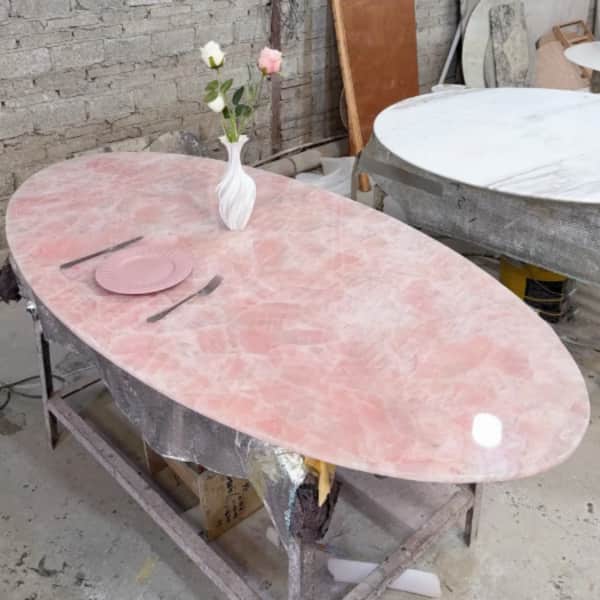
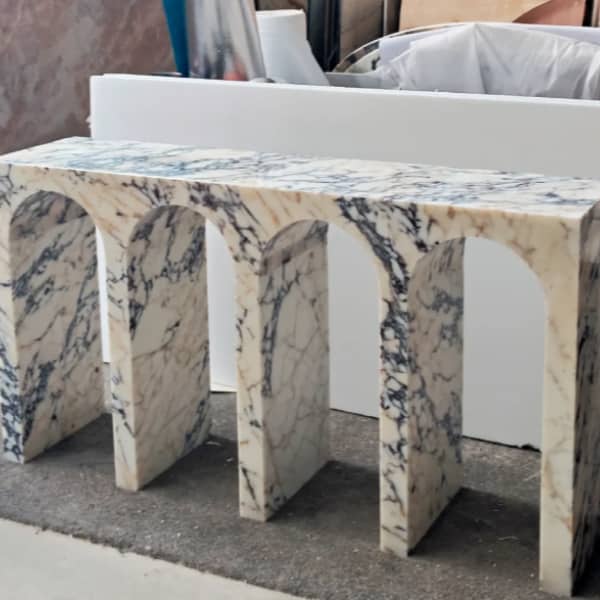
For stone tables and furniture, the marble choice should consider weight, support, edge profile, underside finish, surface care, and how the table will be used. Esta Stone’s stone tables category can connect slab choice with finished products, especially when the room needs the table to relate to walls, floors, counters, or a feature stone surface.
Compare white marble with quartzite, quartz, and sintered stone
White marble is the strongest choice when natural veining and classic stone character are the priority. It is especially useful for walls, bathrooms, vanities, fireplaces, floors, and selected decorative surfaces. The tradeoff is care. Marble can react to acids and some cleaners, and the surface may develop a patina over time.
Quartzite is a natural stone option when the project wants movement but needs a different daily-use profile from many marbles. Some quartzites are dense and suitable for counters, while others require more caution. The actual slab, resin, fissures, finish, and sealing needs should be checked before production. Do not select quartzite by name alone.
Quartz countertops are engineered surfaces that can provide more controlled color and pattern. They can be useful for kitchens, vanities, and repeated commercial surfaces where consistency matters. Fabrication safety should be part of the supplier conversation because cutting and polishing engineered surfaces can involve respirable crystalline silica exposure in workshop settings.
Sintered stone can work when the project needs large-format panels, a controlled marble-look pattern, thin profiles, or matching wall and counter surfaces. It may suit modern bathrooms, kitchen walls, furniture, and commercial interiors. Edge detail, impact behavior, panel handling, and installation method should be reviewed before final approval.
| Surface Option | Best Application Direction | Project Detail To Confirm |
|---|---|---|
| White marble tiles | Bathroom walls, floors, shower walls, corridors, smaller rooms | Tile size, finish, grout, slip review, batch tone, and maintenance plan. |
| सफेद संगमरमर के स्लैब | Feature walls, vanities, fireplaces, counters, hotel and villa surfaces | Current slab photos, vein direction, seam placement, cutouts, and edge details. |
| क्वार्टजाइट | Kitchens, vanities, islands, premium walls, natural stone counters | Actual slab density, fissures, resin, sealing needs, and fabrication method. |
| क्वार्ट्ज | Consistent counters, vanities, repeated commercial surfaces | Color control, slab size, edge profile, heat guidance, and fabrication safety controls. |
| Sintered stone | Large-format walls, modern bathrooms, tables, counters, wall panels | Panel size, thickness, edge design, backing, handling, and installation sequence. |
Finish, lighting, and maintenance affect the final look
Finish changes both appearance and use. Polished white marble can look bright and formal, especially on walls, fireplaces, and vanity backsplashes. Honed marble gives a softer surface and may suit bathrooms or floors where lower shine is preferred. Textured finishes can be useful in some floor or exterior-adjacent applications, but they need cleaning review.
Lighting can make the same stone look warmer, cooler, cleaner, or busier. A cool bathroom light may make a gray-white marble feel colder. Warm light can bring out beige or gold movement. Side lighting can reveal texture, lippage, surface variation, or installation issues. If the project uses a large feature wall, check slab photos and samples under light close to the final room condition.
Maintenance should be discussed before the material is approved. Natural marble is not a no-care product. Sealing may help with stain resistance, but it does not make marble immune to etching from acidic substances. Cleaners, cosmetics, standing water, ventilation, and use habits all matter. In a hotel or commercial area, staff cleaning routines should be considered before choosing marble for every surface.
For Esta Stone inquiries, a good request should include the room, surface area, preferred finish, exposure to water, desired color tone, size range, and whether the project can accept natural variation. This helps narrow the product category before the team starts comparing every white stone image.
Application checklist before requesting a quote
A white marble request should include enough project information for a practical material recommendation. A single phrase such as “white marble for bathroom” is usually too broad. The following checklist helps turn the inquiry into a workable product selection.
- Room type: bathroom, kitchen, lobby, villa wall, fireplace, table, floor, corridor, or commercial area.
- Surface type: wall, floor, vanity top, countertop, backsplash, table top, stair, fireplace, or feature panel.
- Product format: white marble tile, marble slab, cut-to-size panel, countertop, stone table, or mixed package.
- Preferred visual direction: quiet Carrara-style movement, stronger Calacatta-style veining, Statuario-style brightness, or warmer white marble.
- Finish: polished, honed, brushed, textured, or a project-specific finish to be confirmed.
- Size information: room dimensions, wall elevation, tile size, slab size, thickness, edge detail, or cut-to-size drawing.
- Use condition: dry wall, wet bathroom, shower zone, kitchen counter, hotel vanity, commercial floor, or decorative feature.
- Maintenance expectation: natural patina accepted, low visible change preferred, or high-use commercial cleaning required.
- Support materials: cabinet color, sanitaryware, grout color, wall paint, metal finish, lighting condition, and adjacent flooring.
- Request needs: current slab photos, tile batch photos, size options, finish samples, layout advice, or material comparison.
Related Esta Stone product articles
Frequently asked questions
1. Where is white marble most suitable in a bathroom project?
White marble is often suitable for bathroom walls, vanity backsplashes, dry feature areas, selected floors, and some shower wall applications when the finish, waterproofing, ventilation, sealing plan, and cleaning routine are confirmed. Shower floors and wet floors need more careful review because drainage, slip resistance, grout, and maintenance conditions are different from dry walls.
2. Should a project choose white marble tiles or marble slabs?
White marble tiles are usually better for bathrooms, floors, shower areas, and rooms with many corners or fixtures because tile layout is more flexible. Marble slabs are better when the project needs large natural veining, fewer joints, and a feature surface such as a vanity wall, fireplace, reception counter, or large bathroom panel. The choice depends on room size, handling, layout, and budget.
3. Are Calacatta, Carrara, and Statuario marble the same?
No. These names describe different visual directions, and each can still vary by slab or tile batch. Calacatta-style marble often has stronger veining, Carrara-style marble is usually softer and grayer, and Statuario-style marble often combines a bright background with controlled movement. Current slab photos and tile batch photos should be reviewed before approval.
4. When should quartzite or sintered stone be considered instead of white marble?
Quartzite should be considered when the project wants natural veining but needs a different daily-use profile from many marbles, especially for counters or active surfaces. Sintered stone should be considered when the project needs large-format panels, controlled pattern, thin profiles, or a marble-look surface with different maintenance expectations. The final choice should match the room, use, finish, and installation method.
5. What information should be sent before asking for white marble options?
Send the room type, surface area, drawings or dimensions, preferred marble look, finish, tile or slab format, thickness, edge details, lighting condition, water exposure, and maintenance expectations. For feature walls or vanity tops, include elevations, sink or fixture positions, and any slab matching requirements so Esta Stone can suggest suitable product categories and current slab or tile options.
Final Conclusion
White marble should be selected as a product for a real surface, not as a general white stone idea. Tiles can make bathroom walls, floors, and shower areas easier to plan. Slabs can give feature walls, vanities, fireplaces, and reception areas stronger natural movement. Calacatta, Carrara, and Statuario-style stones each create a different effect, but the actual slab or tile batch should always be reviewed before production.
For a stronger project result, match the white marble format, finish, vein movement, lighting, water exposure, and maintenance expectation to the room. If the project needs a different performance profile, compare quartzite, quartz, or sintered stone before final approval. Esta Stone can help review white marble tiles, marble slabs, quartzite, quartz countertops, sintered stone, and finished stone product options for bathrooms, walls, floors, vanities, counters, and feature areas.
Ask Esta Stone for white marble product options
For a bathroom, wall, floor, vanity, kitchen, fireplace, or feature area, send drawings, room photos, preferred white marble style, finish, size, thickness, and application details. Esta Stone can review current slab photos, tile options, surface alternatives, and product category matches for your project.
References
- Dimension Stone Design Manual 2024, Natural Stone Institute Technical Committee, Natural Stone Institute, Natural Stone Institute.
- Care and Cleaning for Natural Stone Surfaces, Natural Stone Institute Consumer Resources Team, Natural Stone Institute, Natural Stone Institute.
- Standards and Specifications for Natural Stone Products, Natural Stone Institute Technical Committee, Natural Stone Institute, Natural Stone Institute.
- ASTM C503/C503M Standard Specification for Marble Dimension Stone, ASTM Committee C18, ASTM International, ASTM International.
- ASTM C1528/C1528M Standard Guide for Selection of Dimension Stone, ASTM Committee C18, ASTM International, ASTM International.
- ASTM C119 Standard Terminology Relating to Dimension Stone, ASTM Committee C18, ASTM International, ASTM International.
- NKBA / KBIS 2026 Bath Trends Report, National Kitchen and Bath Association Research Team, National Kitchen and Bath Association, NKBA Research.
- Tile and Stone Installation Handbook, Tile Council of North America Technical Committee, Tile Council of North America, TCNA Publications.