


White Marble Price Drivers: Grade, Yield, Finish, and Selection Range
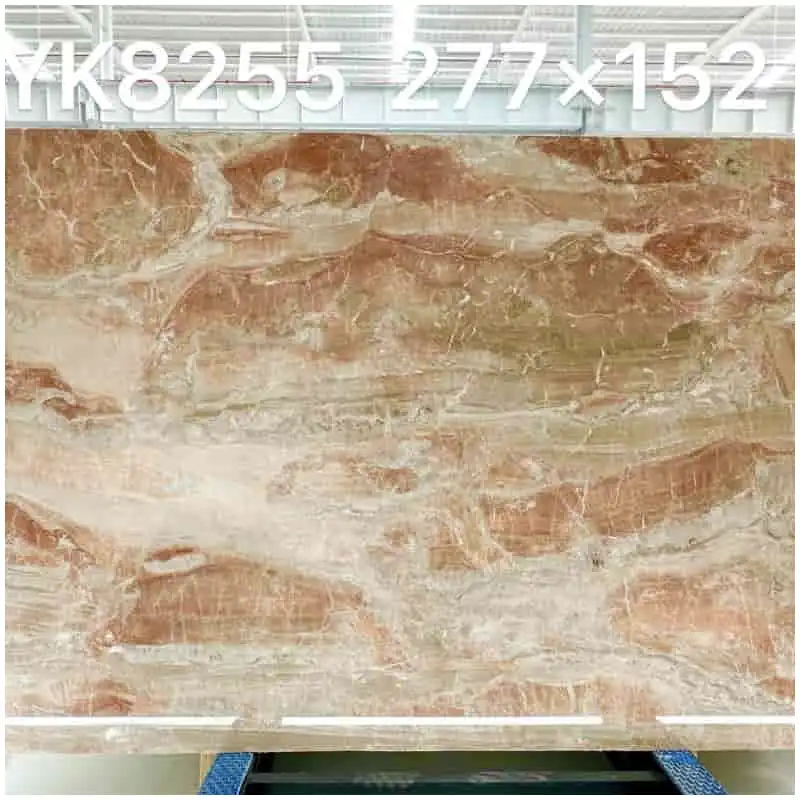
A project manager once asked why two Calacatta quotations differed so much when both files used the same stone name. I placed the offered slabs side by side. One group had broad usable fields and connected movement. The cheaper group carried several open repairs near the planned vanity cutouts and only two faces large enough for the feature wall. The name matched. The usable project did not.

Don’t just look at samples, and do not compare one square-meter number without its material range. White marble is natural. Price follows what the current block and slabs can provide, how tightly the project selects them, and how much approved stone survives cutting.
The Main White Marble Price Drivers
White marble price drivers include quarry source, availability, block and slab size, current batch, thickness, finish, usable face, accepted natural features, repairs, color and vein selection, testing, quantity, cut yield, fabrication, dry-lay, packing, shipping scope, and replacement requirements. Each quotation should state enough of those assumptions to be compared.
The new broad record remains White Marble Slabs: Complete Guide to Types, Selection, Price, Bathrooms, Lighting, and Batch Control. It separates named varieties from approval evidence. Price follows that evidence. A quotation for “premium white” means nothing if nobody defines the full faces, range, finish, dimensions, and application.
I do not publish a universal number because the facts move. Current slabs, exchange rates, logistics, specification, and quantity change. I explain the cost structure and ask the supplier for a dated project quotation. Anything more precise without current evidence would be theatre.
Commercial grade is not one global standard
White marble slab grade can describe different internal selections depending on supplier and market. Ask what the label means in visible and structural terms. I want photographs of the offered range, slab dimensions, finish, repairs, resin or mesh where used, accepted features, and excluded conditions.
A small clean sample can come from the best corner of a lower-yield slab. Lighting lies, too. A group that looks bright under cool warehouse lamps may reveal cream or gray shifts beside the project’s warm finishes. Grade approval needs full faces under relevant light.
Slab Size, Usable Face, and Cut Yield
Net project area is not the same as required slab area. Large vanity tops, bookmatched panels, long thresholds, and connected wall pieces need usable dimensions and intentional vein placement. Defects, edge damage, repairs, fissures, and unwanted zones may reduce where cuts can land.
Marble cut yield depends on finished shapes and visual priority. A wall panel may require one uninterrupted field, while small skirting pieces can use offcuts. I place the cutting list on actual slab images and calculate what remains. That is more honest than applying one waste percentage to every project.
The कैलाकाटा मार्बल स्लैब path shows a material family, but the quotation must identify the offered current slabs. Dramatic movement can improve design value and reduce yield when every cut must preserve a particular composition.
I also compare the white marble slab grade with the visible faces that the quotation actually reserves.
My final marble cut yield check places critical pieces before I value smaller offcuts.
I use कैरारा व्हाइट मार्बल स्लैब्स as another material example only when the current batch evidence matches the intended finish and room.
| Cost factor | Evidence to request | Why it changes project value |
|---|---|---|
| Current batch and range | Full-face images, labels, dimensions, quantity | Shows actual tone, movement, repairs, and available matching faces |
| Selection strictness | Accepted and rejected examples under relevant light | Tighter color or vein control reduces usable supply |
| Slab size and thickness | Measured usable dimensions and finished requirement | Large pieces may need fewer, larger, or specially processed slabs |
| Cut yield | Cut map tied to actual faces and visual priorities | Net area ignores vein placement, defects, and connected layouts |
| Finish and surface work | Approved sample, process, consistency and care | Honed, polished, textured, or special work changes labor and appearance |
| Fabrication complexity | Edges, cutouts, reinforcement, carving, dry-lay | More operations, risk, evidence, and correction time enter the price |
| Packing and replacement | Crate basis, labels, spares, remake assumptions | Project continuity may cost more than lowest initial material rate |
Finish, Repairs, Testing, and Fabrication
A polished finish can reveal depth and color, while a honed finish softens reflection and may change apparent tone. Consistency across many pieces requires controlled processing. Special textures, edge profiles, cutouts, reinforcement, mesh removal, backing, and hand finishing add work and risk.
Repairs are not automatically defects. Natural stone may use resin, mesh, filling, or local repair depending on material and processing. The project decides what is acceptable for the application. I record location and visibility on the offered faces. That slab doesn’t belong next to your bathtub if a repaired zone lands at the basin bridge and the project never approved it.

Testing can add cost and time when the specification requires current or project-specific evidence. The responsible designer selects standards and interprets results. I do not claim that one generic test certificate proves every slab or application.
Selection Range, Batch Matching, and Lighting
A narrow white marble selection range may require sorting more slabs to find fewer accepted faces. That affects availability, lead time, and price. A broad accepted range can improve yield, but only when the finished room can carry the variation without looking accidental.
I approve the range through several full faces or a representative dry-lay. For hotels, I may group slabs by floor, room type, or public area. The goal is not uniformity at any cost. It is controlled distribution. Don’t just look at samples, because one polite sample does not show the ends of the range.
The Statuario Marble Slab Approval article shows how lighting and cutout placement affect value. A face with a beautiful strong vein may be worth more for one wall and worth less for a vanity if the sink removes its best movement.
Quotation Scope, Packing, and Replacement
I compare whether a quotation covers raw slabs, finished pieces, templates, drawings, dry-lay, inspection, labeling, packing, spares, inland transport, export charges, or another agreed scope. Incoterms and commercial terms belong in the quotation. The marble rate alone cannot describe delivered cost.
For repeated rooms, spare planning has value. Retaining compatible material, labeled offcuts, or finished spares can reduce future matching risk. The project balances storage and cost against lead time and visual continuity. I do not add random extra pieces without a compatibility record.
The live Calacatta Marble Slabs: Mistakes to Avoid in Project Orders guide covers failures that make a cheap order expensive: weak approval evidence, incomplete quantities, poor vein planning, and late cutting changes.
Quantity and phased orders can change the range
A larger order may improve production planning, but it also needs enough compatible material in one controlled range. A phased order can reduce immediate commitment while increasing the risk that later slabs come from another block or batch. I ask whether the project wants one reserved selection, several approved sub-ranges, or a fresh approval at each phase.
Warehousing, reservation time, staged fabrication, additional inspections, and separate packing may affect the quotation. The supplier should state those assumptions instead of hiding them inside a material rate. Lighting lies, and so does a total that pretends twelve months of phased selection has no consequence.
The Hard-Won Lesson: Compare Usable Layout, Not Material Name
A hotel selected the lowest Statuario slab rate for a reception wall. The quotation assumed ordinary slab selection, while the rendering required six pale sequential faces with quiet movement. Only four offered slabs matched. Re-selecting material after the support frame was built delayed the wall and erased the initial saving.
The Lesson: Price every critical elevation against identifiable current slabs, an accepted range, and a realistic cut map before comparing totals.
Understanding White Marble Cost in Today’s Market
Why search results cannot set a project price
Online ranges rarely know the current slabs, grade definition, thickness, finish, quantity, selection, fabrication, location, packing, or commercial terms. Use them only as rough context. A supplier quotation tied to the actual scope is the useful decision record.
How to compare two quotations
Normalize material identity, offered faces, dimensions, accepted range, finish, yield assumption, fabrication, evidence, packing, spares, terms, and exclusions. Then ask what changes if the final cutting list or selection becomes stricter. The lowest number may simply carry the most missing assumptions.
I read every exclusion beside the selected faces, and I ask who owns the cost when the accepted range becomes narrower.
That slab doesn’t belong next to your bathtub when the quotation hides the repair, finish, or wet-zone limitation that the full face already reveals.
What to do when the offered batch changes
Photograph and identify the replacement range, stop approval and cutting, and compare the new faces with the original sample, lighting test, cut map, quotation, and accepted range. Contact the supplier with the original records before accepting a price or schedule adjustment.
अक्सर पूछे जाने वाले सवाल
1. Why do white marble slabs with the same name have different prices?
White marble price drivers include current source, block, batch, dimensions, thickness, finish, usable face, repairs, color and vein selection, quantity, availability, yield, processing, testing, packing, and commercial scope.
2. Does a higher grade always mean better marble?
Grade labels are not one universal global standard. Ask the supplier to define the offered range with full faces, dimensions, accepted features, repairs, finish, and excluded conditions for the intended application.
3. How does cut yield affect price?
Net area ignores edge loss, defects, vein placement, connected layouts, large pieces, and unusable offcuts. A cut map on actual slabs shows how much approved material is required to produce the finished work.
4. Should lighting be part of price approval?
Lighting affects which slabs the project accepts and how tightly it sorts them. Test the offered range under relevant conditions before final selection, because a stricter range can change yield, availability, and cost.
5. What should we do first if the quoted slab range changes?
Request identifiable full-face evidence for the replacement batch, stop selection and cutting, and compare it with the approved sample, lighting, range, cut map, quotation, and room use before agreeing to any change.
Quick-Reference Checklist for Comparing White Marble Quotations
- Request identifiable full-face images, slab dimensions, thickness, finish, and quantity.
- Define the accepted tone, vein, repair, and natural-feature range with examples.
- Place critical finished pieces on actual slab faces before calculating yield.
- Separate material, fabrication, dry-lay, inspection, packing, freight, and spare costs.
- Test offered faces under the project’s intended lighting and adjacent finishes.
- Record exclusions, validity, commercial terms, and the process for batch changes.
Final Conclusion
White marble price drivers are the actual slabs, accepted range, usable yield, finish, fabrication, evidence, packing, and commercial scope behind the number. Compare identifiable material and finished work instead of one material name.
Don’t just look at samples, and do not buy a cheap assumption. Esta Stone would rather show the difficult faces before quotation than explain missing yield after the cutting map is approved.

References
- Dimension Stone Design Manual, Natural Stone Institute.
- C503 Standard Specification for Marble Dimension Stone, ASTM International.
- C97 Standard Test Methods for Absorption and Bulk Specific Gravity of Dimension Stone, ASTM International.
- C880 Standard Test Method for Flexural Strength of Dimension Stone, ASTM International.
- Natural Stone Care and Maintenance Guidance, Natural Stone Institute.
- Technical Guidance for Natural Stone, Stone Federation Great Britain.
- Bathroom Planning Guidelines, National Kitchen and Bath Association.
- Search Essentials and Helpful Content Guidance, Google Search Central.