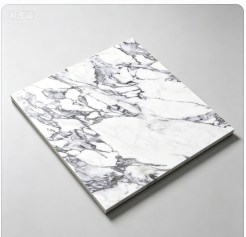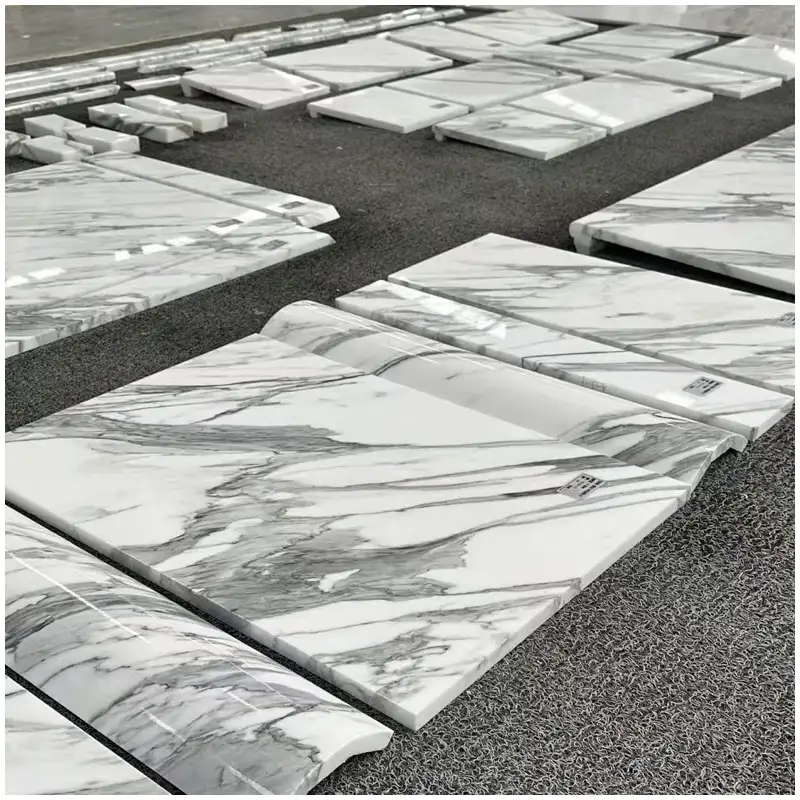
When White Marble Meets Limited Light: The Warmth Control Game
“White marble looks gorgeous… but my bathroom is tiny.”
“So you’re worried it’ll feel like a hospital?”
“Exactly. I want ‘bright and elegant,’ not ‘cold and echo-y.’”
“Good news: White Marble Tile can make small spaces look bigger—if you control the details that shape warmth: lighting, finish, grout tone, veining direction, and the amount of marble you use.”
If you’re choosing White Marble Tile for a compact bathroom, a narrow entryway, a small kitchen backsplash, or a tight powder room, the “cold” problem is rarely the stone itself. It’s usually a design imbalance: too much gloss, too much white-on-white, harsh lighting, and no warm counterpoints. This guide is a pain-point + solution playbook built specifically for small spaces—so you get the spacious, premium effect without the icy vibe.

Why small spaces turn “white marble” into “cold marble” faster
Small rooms amplify perception. You’re closer to every surface, so glare, shadows, and contrast feel stronger. Interior design perception research consistently shows that higher reflectance surfaces can make spaces feel larger, but excessive specular reflection (shine/glare) also increases “clinical” feel—especially under cool-temperature LEDs and direct downlights. In practical terms, the wrong finish + wrong lighting makes marble feel colder than it is.
Here are the typical triggers:
-
Cool lighting (5000K–6500K) or harsh downlights that create shiny hotspots
-
High-polish tile in a tight space (mirror-like glare)
-
Pure white grout with pure white tile (flat, sterile “sheet of white”)
-
Random veining direction that creates visual noise
-
Overusing marble on every surface without warm materials to balance it
If you want a quick “do/don’t” tailored to your room, you’ll usually get the fastest answer by reaching out through contact us with 3 things: room size, where the marble goes (floor/wall/backsplash), and a photo of your lighting. The right finish and grout choice can change everything.
Step 1: Choose the right finish for warmth (honed often wins in small rooms)
Polished vs honed in small spaces
Polished marble is bright and luxurious, but in compact rooms it can read “cold” because it reflects light like a mirror. Honed marble diffuses light, reduces glare, and usually feels softer and warmer—especially in bathrooms and small kitchens.
Best-practice rule of thumb
-
Walls / feature panels: polished can work if lighting is warm and indirect.
-
Floors / wet areas: honed is usually safer and visually calmer.
-
Tiny powder rooms: honed walls + one polished accent strip can add depth without turning the room into a lightbox.
The “warmth stack” (finish + grout + lighting)
Warmth is not a single decision. It’s a stack:
-
Finish controls reflection
-
Grout controls contrast and “grid feeling”
-
Lighting controls color temperature and shadow softness
If a supplier talks only about “polished looks premium,” they’re selling photos. If they discuss the warmth stack, they understand real projects. To see how the brand positions marble beyond one tile line, browse the broader about us story and capability—buyers who care about consistency and usage guidance should.
Step 2: Use “less marble, better marble”
In a small space, covering everything in white marble is the fastest route to “cold.” Instead, treat marble as your luxury surface, then layer warmth through complementary materials.
A simple ratio that works
-
60%: White marble tile (main surface)
-
30%: warm neutral material (wood tone vanity, beige paint, linen texture, warm metal)
-
10%: depth accent (brass/bronze hardware, dark grout line, black frame mirror, walnut shelf)
This ratio keeps the room bright while avoiding the “all-white slab” effect. The marble stays the hero, but it’s not the entire cast.
Where marble performs best in small spaces
If you’re deciding location, start with what marble does best: reflect light and add premium texture. For inspiration that stays practical, review marble stone applications and patterns—this helps you choose the right level of veining for a compact room.
Step 3: Control veining direction like a designer (it changes perceived space)
Veins are visual arrows. In small rooms, they can either “stretch” the space or chop it up.
Veining rules that make rooms feel bigger
-
Vertical veins on walls make ceilings feel higher
-
Long-direction veins on floors elongate narrow rooms
-
Bookmatched feature wall creates symmetry and intentional luxury (not randomness)
Avoid the “random patchwork”
Small spaces expose randomness. If tiles from different batches or different tone groups get mixed, the room can look messy. Ask your supplier to:
-
tone-grade and bundle similar tiles together
-
label cartons for location sequencing
-
confirm a control sample before production
You’ll find it easier to align size, finish, and veining options when the category is clearly organized—use the marble tiles catalog to map what fits your room before you commit.
Step 4: Pick grout that adds warmth without dirty-looking lines
Grout is the silent mood-setter.
Grout colors that work best with White Marble Tile
-
Warm light grey / greige: the safest “warm luxury” choice
-
Soft beige: warmer, especially with brass/wood
-
Pure white: risky in small rooms (sterile and shows staining)
-
Dark charcoal: high-contrast modern look, but can shrink the space if overused
Joint width matters
In small spaces, wide grout lines create a strong grid that can feel busy. Typical approaches:
-
Narrow joints for a calmer, more “slab-like” look
-
Moderate joints if you want a classic tile rhythm
If your room is very small, “calm visuals” usually beat “busy pattern.” That’s how you keep the space warm and elegant.
Step 5: Lighting decisions that instantly fix “cold marble”
Lighting is the fastest correction tool.
Use warm color temperature
For small bathrooms and compact kitchens, warm lighting usually makes white marble feel inviting:
-
Aim for warm white rather than icy daylight
-
Add indirect lighting (backlit mirror, under-vanity strip) to soften shadows
Diffuse the shine
If you use polished marble, don’t blast it with direct downlights. Use:
-
diffusers
-
wall washers
-
layered lighting (ambient + task + accent)
This reduces glare hotspots that read “cold.” Done right, marble looks like “soft luxury,” not “clinical shine.”

Step 6: The small-space “tile sizing” playbook (avoid the tiny-grid trap)
Small tiles can make small rooms feel even smaller—because more grout lines create more visual noise.
Sizing tips
-
Large-format tiles can make a small room feel bigger (fewer grout lines)
-
Medium formats work well if the room has lots of corners and niches
-
Mosaics should be used selectively (shower floor, niche back), not everywhere
Pattern strategy
-
Straight lay: clean, calm, modern
-
Herringbone: dynamic, but can look busy if the space is extremely tight
-
Stacked vertical: makes walls feel taller
When in doubt: fewer lines, calmer room.
A whitemarblegranite-style mini case: small bathroom, big upgrade
Project goal: Make a compact bathroom feel brighter and more upscale without looking cold.
Constraints: Limited natural light, narrow width, and a client who dislikes “clinical white.”
What worked
-
Honed white marble on the floor to reduce glare
-
Warm grey grout to soften the grid
-
One polished marble accent on the vanity backsplash for depth
-
Warm lighting + backlit mirror to reduce harsh shadows
-
Wood-tone vanity to add warmth and balance
Result logic: The room felt larger because the marble reflected light—but it felt warm because glare was controlled and warm materials were layered in.
If you need a fast decision on “where marble belongs” in your specific compact space, this reference is useful: places where marble tiles are commonly used in interior decoration. It helps you choose the high-impact zones (backsplash, shower walls, entry feature) without over-marblying the room.
“Deadly details” to check before you order (small rooms punish mistakes)
Small spaces magnify flaws. Before you confirm the order, check these:
-
Tone control: ask for tone grading and bundle labeling
-
Thickness tolerance: inconsistent thickness increases lippage risk
-
Edge protection: small installs often require more cuts, so chips matter
-
Finish consistency: mixed sheen looks patchy under bathroom lighting
-
Carton labeling: sequence matters if you want veining direction control
If a supplier can’t explain these without vague answers, your small space is about to become a big headache.

FAQ
1) Will White Marble Tile make a small bathroom look bigger?
Yes—because it reflects light and adds visual continuity. It works best when you reduce glare (often with honed finishes) and keep grout lines calm.
2) What grout color keeps White Marble Tile from looking cold?
Warm light grey or greige is usually the best balance. It adds softness and depth without making the room look dirty or overly contrasted.
3) Is polished White Marble Tile too shiny for small spaces?
It can be if lighting is harsh or cool. Polished works better as an accent surface (backsplash, feature wall) with warm, diffused lighting.
4) What tile size is best for small rooms?
Often larger tiles or fewer grout lines help small rooms feel bigger. Use mosaics only where function demands it (like shower floors), not on every surface.
5) How do I stop White Marble Tile from feeling “sterile”?
Balance marble with warm materials (wood tones, warm metals), choose warm lighting, and avoid pure white-on-white-everything. Use the 60/30/10 balance to keep warmth.
Make your small space feel bigger—and warmer—at the same time
Back to that opening worry: “I want bright and elegant, not cold and echo-y.” The fix isn’t abandoning marble. The fix is controlling the warmth stack: finish, grout, lighting, veining direction, and material balance.
When you treat White Marble Tile as a premium surface (not the only surface), it becomes the easiest way to make a compact room feel more open, more valuable, and more intentional. The goal is not “more marble.” It’s “better marble choices”—so your small space looks like a boutique hotel corner, not a sterile showroom box.
Deep Dive: 2026 Marble Insights & Guides
Master the 2026 market with our expert analysis:
- Industry Trend: Top 5 White Marbles for 2026 Interior Trends: From Minimalist Sivec to Classic Volakas
- Strategic Procurement: Calacatta vs. Carrara: The 2026 Asset Strategy
- Investment Value: Why Carrara Remains a Primary Investment for Excellence
Everything You Need to Know About Carrara
- What is Bianco Carrara Marble?
- Visual Guide: What Carrara Looks Like
- Top 10 FAQs of Bianco Carrara
- Care & Maintenance Guide
- Is it Good for Kitchen Countertops?
- Styling Tips for Tabletops
Comparative & Technical Analysis
- Carrara White vs. Oriental White Marble
- Supply Chain & Policy Changes (2025-2026)
- Top Advantages of White Marble Tiles
Expanding Your Palette
- Why Choose Thassos Marble
- Volakas Marble: Esteem & Elegance
- Creating Luxurious Interiors
- White Marble in Minimalist Design
- Small Spaces: Avoiding the “Cold” Look
- Statuario Marble: Factory Insights
- Top 10 Trendy White Marbles
- General Advantages of White Marble
- How to Source Large-Scale Carrara Marble for High-End Commercial Projects: A Supplier’s Checklist
- Understanding CD, C, and Extra Quality
Treat White Marble Tile like a premium tool for space and light, not a “cover-everything” solution. Start by reducing the cold factor: prefer honed surfaces for floors and wet zones, use polished marble only as a controlled accent, and pick warm light grey or greige grout to soften the look without making it messy. Choose larger tiles or layouts with fewer grout lines so small rooms feel calmer and bigger, and use mosaics only where function requires it. Finally, lock in warmth with lighting and material balance—warm LEDs, layered illumination, and wood or warm metals—then follow the 60/30/10 rule to keep marble elegant, bright, and comfortably human.