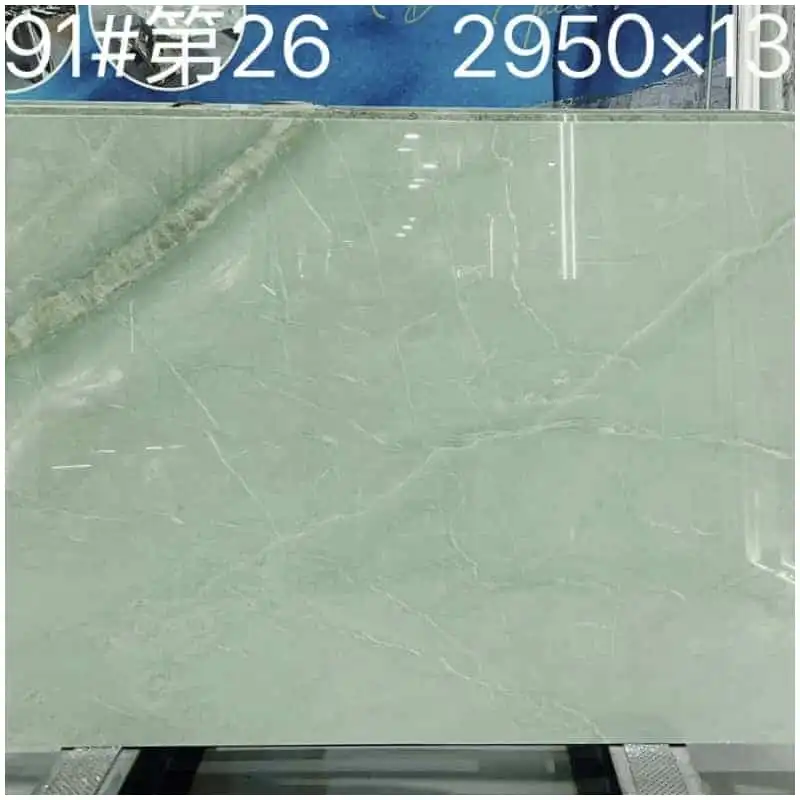
Why Marble Stone Colors Matter More Than Most Buyers Think
A homeowner walks into a stone showroom with a simple request: “I want marble for my new kitchen and bathroom.” The designer opens a catalog. White marble looks timeless. Grey marble feels calm. Black marble looks dramatic. Gold-veined marble feels luxurious. A patterned slab looks unforgettable. Suddenly, the buyer is not choosing “marble” anymore. They are choosing the mood of the entire home.
That is why Marble Stone Colors are not just decorative choices. They influence how large a room feels, how much light it reflects, how easy the surface is to maintain, and how long the design will stay visually relevant. A white marble island can make a kitchen feel brighter. A black marble fireplace can make a living room feel architectural. Beige marble flooring can soften a large villa. A dramatic patterned slab can turn a wall into natural artwork.
For buyers who want to understand the broader material category before choosing colors, Márvány kő is the starting point. Different marble colors come from mineral composition, geological pressure, natural veining, and quarry variation. That is why no two slabs are exactly the same, and why a small sample is never enough for final selection.

What Creates Different Marble Stone Colors?
Marble is a natural metamorphic stone formed when limestone or dolomitic limestone changes under heat and pressure. Its colors and veins come from minerals, impurities, and geological movement. White marble usually contains purer calcite. Grey veins may come from graphite or other mineral traces. Beige, brown, red, pink, and gold tones often relate to iron oxide and other mineral variations. Green or darker colors may come from different mineral combinations and natural formation conditions.
This is also why marble color varies from block to block. A product name may sound consistent, but the actual slabs can differ in vein thickness, background tone, contrast level, and pattern direction. Buyers should review full slab photos before purchasing, especially for countertops, feature walls, and bookmatched designs.
For large surfaces where the full stone movement becomes visible, Márványtáblák are usually the preferred option because they reduce joints and show natural veining more completely. For flooring, bathrooms, and modular wall areas, tiles may be more practical.
| Marble Color Family | Design Feeling | Best Interior Use | Main Buyer Risk |
|---|---|---|---|
| Fehér márvány | Bright, classic, elegant | Kitchens, bathrooms, walls | Stains and etching show more easily |
| Szürke márvány | Calm, modern, balanced | Floors, bathrooms, living rooms | Can feel cold without warm pairing |
| Fekete márvány | Dramatic, luxurious, bold | Feature walls, fireplaces, islands | Can darken small rooms |
| Bézs márvány | Warm, soft, timeless | Floors, bathrooms, hotels | Can look dated if too yellow |
| Gold-Veined Marble | Bright, decorative, premium | Islands, walls, bathrooms | Can feel flashy if overused |
| Patterned Marble | Artistic, memorable | Feature walls, furniture, luxury spaces | Needs careful layout planning |

White Marble Colors: The Bright Luxury Classic
White marble is still one of the most popular choices for modern interiors because it makes spaces feel clean, open, and elegant. It works especially well in kitchens, bathrooms, fireplaces, and feature walls where brightness matters. White marble pairs beautifully with white oak, cream cabinets, brass hardware, black metal, and warm lighting.
The main advantage of white marble is visual openness. In small kitchens or bathrooms, lighter marble can help the room feel larger. In luxury interiors, white marble also creates a timeless atmosphere that feels refined without being too aggressive.
However, white marble is not risk-free. Stains, etching, and surface dullness may be more visible on light surfaces. Buyers who cook heavily with lemon, tomato sauce, wine, vinegar, or strong cleaners should understand marble care before using white marble as a countertop.
For buyers planning floors or modular wall surfaces, Márvány csempe can be more flexible than full slabs. Tiles work well for bathrooms, entryways, shower walls, and flooring zones where size control and installation efficiency matter.

Grey Marble Colors: The Safe Modern Neutral
Grey marble is one of the easiest marble colors to use in modern interiors. It is calmer than black, less delicate-looking than white, and more contemporary than some beige stones. It works well with concrete, black metal, walnut, oak, cream walls, and minimalist furniture.
Grey marble is especially suitable for bathrooms, living room walls, office reception areas, staircases, and flooring. It gives luxury without shouting. For commercial spaces or multi-room projects, grey marble is often safer because it does not dominate the entire design.
The risk is coldness. If grey marble is paired with cold lighting, grey cabinets, and grey flooring, the room may feel lifeless. The best design strategy is to warm it up with wood, brass, beige fabric, or soft lighting.
For project buyers, supplier reliability matters because grey and white marble can vary significantly between blocks. A professional marble stone supplier should help buyers evaluate slab consistency, finish options, thickness, packing, and application suitability before ordering.
Black Marble Colors: Drama, Depth, and Architectural Power
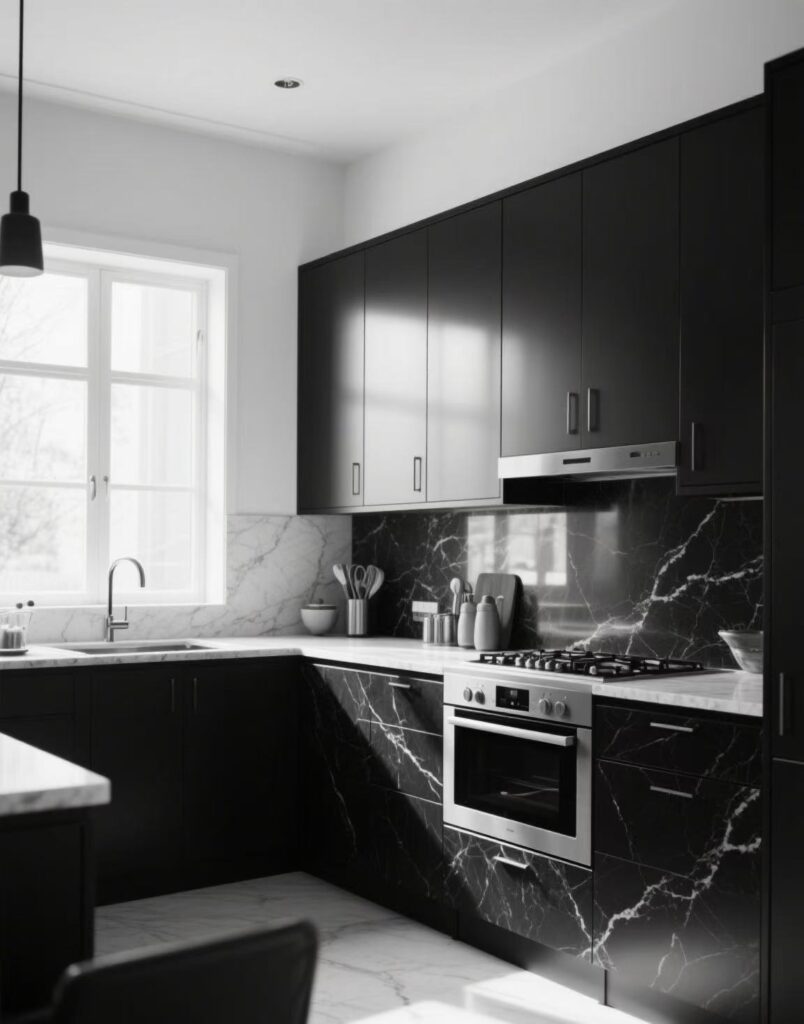
Black marble is for buyers who want a strong statement. It adds depth, contrast, and luxury. It works best as a focal material: kitchen islands, fireplace surrounds, powder rooms, feature walls, bathroom vanity walls, and furniture tops.
Black marble pairs well with brass, bronze, walnut, cream walls, white cabinets, warm lighting, and green plants. It can make a modern home feel more architectural and less ordinary. In a large room with good lighting, black marble can look spectacular. In a small dark room, however, it can feel heavy if overused.
The buyer logic is simple: use black marble where drama has a purpose. Do not cover every surface unless the interior is professionally planned. A single black marble feature wall often creates more luxury than using dark marble everywhere.
Beige and Cream Marble Colors: Warm Luxury for Long-Term Interiors
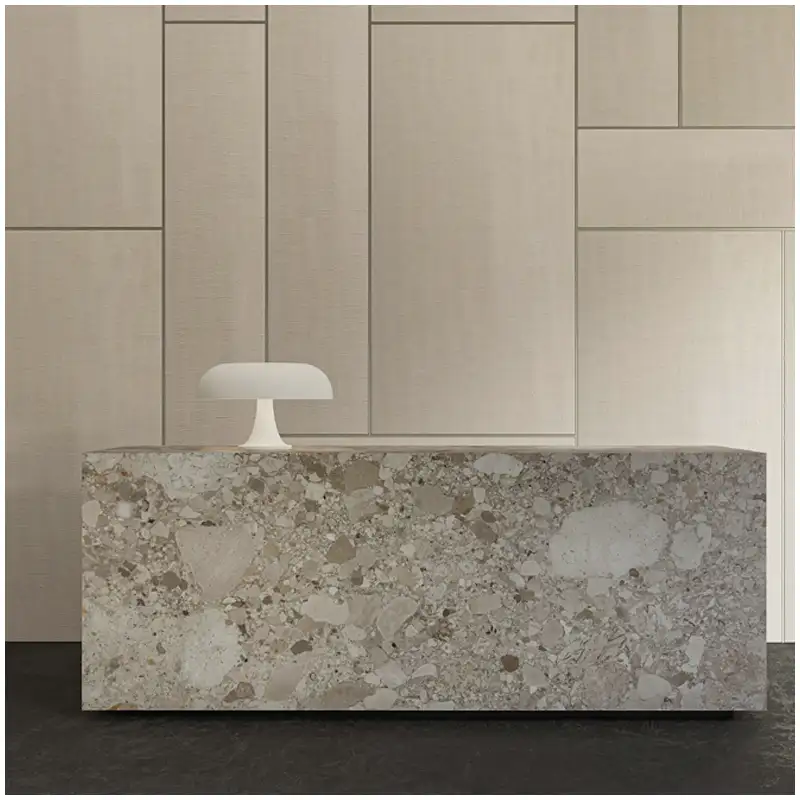
Beige and cream marble are rising because many modern interiors are moving away from cold white and grey palettes. Warm neutrals feel softer, more livable, and easier to combine with wood, linen, brass, and natural light.
Beige marble works beautifully for flooring, bathrooms, hotel-style interiors, villas, staircases, and large open-plan spaces. It creates warmth without being visually loud. For homeowners who want luxury but not too much contrast, beige or cream marble is often the safest choice.
The main risk is undertone. If the stone is too yellow, it can feel dated. If it is too pale and flat, it may lack depth. Buyers should compare slabs under warm and natural lighting before confirming.
Marble is often used in premium countertop projects because it adds natural character and emotional value. For buyers comparing this application specifically, Marble Stone for premium countertops explains why marble remains attractive for high-end kitchens, islands, vanities, and statement surfaces.

Gold-Veined Marble Colors: Light Luxury with Strong Visual Value
Gold-veined marble is one of the strongest choices for buyers who want a bright but luxurious look. It keeps the openness of white or cream marble while adding warmth and decoration through gold or beige veining.
This type of marble works well for kitchen islands, bathroom walls, vanity tops, fireplace surrounds, and hotel-style interiors. It pairs naturally with brass fixtures, champagne metal, warm oak, cream cabinets, and soft lighting.
The challenge is balance. Too much gold veining can look flashy if the surrounding design is already decorative. The best results usually come from using gold-veined marble as a controlled focal point.
A strong example is Calacatta arany márvány, which is popular because it combines a bright background with warm, luxurious veining. It fits kitchens, bathrooms, living rooms, and feature walls where elegance and visual brightness are both important.

Calacatta-Style Marble: Why It Remains a Designer Favorite
Calacatta-style marble is not only about color. It is about contrast, spacing, and pattern. Compared with softer white marbles, Calacatta often has stronger, more dramatic veins and a more premium visual identity. It works especially well in spaces where the stone needs to become the center of attention.
A Calacatta-style slab can transform a kitchen island, bathroom wall, or fireplace into a design statement. However, because the veins are often bold, layout planning is essential. Sink cutouts, island edges, and wall joints should be planned around the slab pattern.
For buyers comparing white and gold-veined marble options, Calacatta márvány is worth studying carefully because it represents one of the most recognizable luxury marble styles in modern interiors.
Marble Color Trends for 2026
In 2026, marble colors are moving in two major directions: warmer neutrals and stronger statement stones. On one side, cream, beige, warm white, and soft grey marble are becoming popular for calm luxury interiors. On the other side, black, green, patterned, and gold-veined marble are being used as focal materials.
The trend is not about using dramatic marble everywhere. It is about selecting the right stone for the right moment. A calm beige marble floor can support the whole room. A black marble fireplace can create the focal point. A gold-veined island can define the kitchen. A patterned slab can become art on the wall.
For buyers tracking the market, marble slab trends for 2026 offer useful direction because slab selection is becoming more design-led, more application-specific, and more focused on long-term visual value.
| 2026 Design Direction | Recommended Marble Colors | Legjobb felhasználás |
|---|---|---|
| Meleg Minimalizmus | Cream, beige, warm white | Flooring, kitchens, bathrooms |
| Quiet Luxury | Soft grey, white, gold-veined | Islands, walls, vanities |
| Statement Interiors | Black, green, patterned | Feature walls, fireplaces |
| Hotel-Style Bathrooms | White, grey, black, beige | Walls, floors, vanities |
| Natural Warmth | Beige, brown, cream | Living rooms, staircases |
| Artistic Spaces | Patterned marble, high-contrast slabs | Walls, furniture, lobbies |
Patterned Marble Colors: When the Slab Becomes the Artwork
Some marble colors are not easy to classify as white, grey, black, or beige because the pattern itself becomes the main design feature. These stones are ideal for buyers who want a memorable interior and are comfortable with stronger visual movement.
Patterned marble works well for feature walls, dining room backgrounds, boutique hotel lobbies, powder rooms, fireplace surrounds, and furniture. It should usually be paired with quieter surrounding materials to avoid visual overload.
A good example is Black White Flower Marble Slabs, which can create a natural artwork effect with strong contrast and organic movement. This type of marble is best used where the design needs personality, not silence.
Cool White and Snow-Like Marble for Calm Interiors
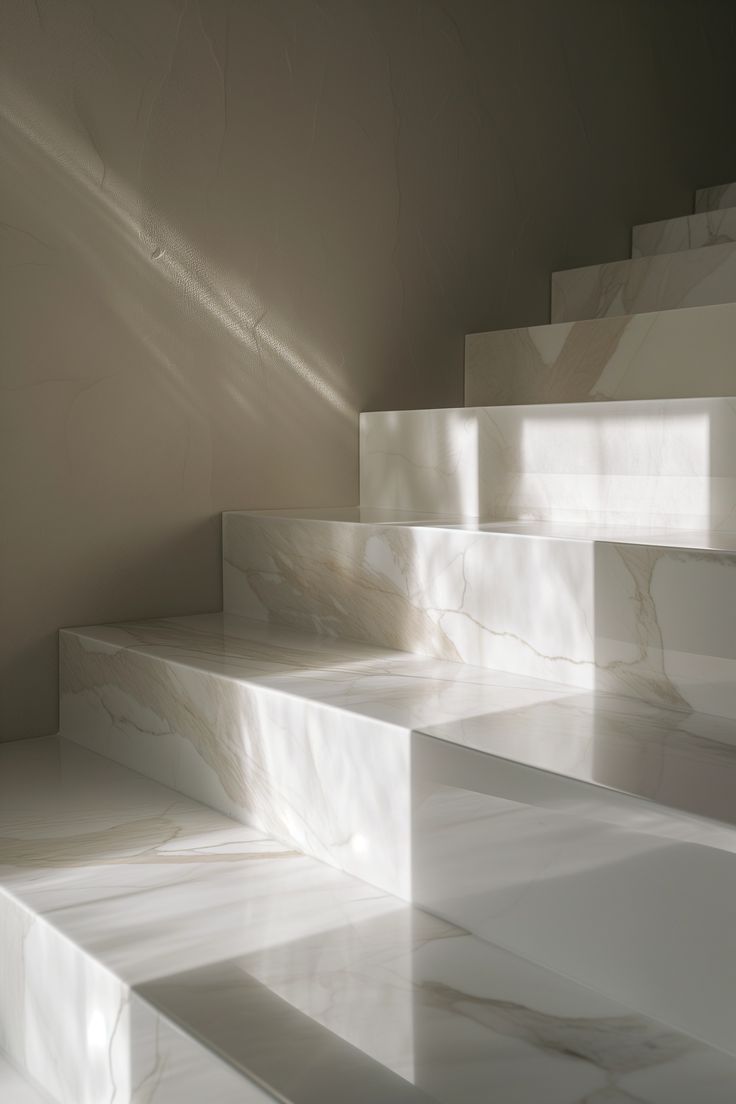
Some buyers want marble that feels fresh, clean, and calm without being too dramatic. Snow-like white marble can create a peaceful atmosphere in bathrooms, light kitchens, vanity areas, and modern luxury interiors.
Cool white marble works well when paired with soft grey, brushed nickel, pale wood, glass, and natural daylight. It can also work beautifully in minimalist spaces. However, cold white marble needs warmer surrounding elements if the room risks feeling sterile.
For a softer and cleaner visual direction, Téli folyó hó márvány is relevant because it supports bright interiors while still offering natural stone character and gentle movement.
Marble Stone Colors by Room Type
Choosing marble by room type is safer than choosing only by favorite color. Each room has different lighting, use intensity, moisture exposure, and design goals.
| Room Type | Best Marble Stone Colors | Buyer Logic |
|---|---|---|
| Konyha | White, beige, grey, gold-veined, black accent | Balance beauty with maintenance |
| Fürdőszoba | White, grey, green, black, beige | Match moisture and lighting |
| Living Room | Beige, grey, black, patterned | Use as wall, floor, or fireplace |
| Entryway | Beige, grey, patterned | Create first impression |
| Powder Room | Black, green, pink, dramatic marble | Small spaces can handle stronger style |
| Padlózat | Beige, grey, subtle white | Safer for long-term interiors |
| Furniture | Black, green, white, patterned | Adds luxury in small format |
The best color depends on how the room is used. A white marble kitchen may look beautiful but needs careful cleaning. A black marble powder room may look dramatic and practical because use is lighter. A beige marble floor may feel warmer and more timeless than a trend-heavy color.
Material Parameters Buyers Should Check
Color is important, but performance still matters. Marble is natural stone, and different varieties may vary in absorption, strength, veining, and finish behavior. Buyers should not choose by color alone.
| Paraméter | Why It Matters | Buyer Impact |
|---|---|---|
| Slab Thickness | Affects strength and installation | Common options include 18mm, 20mm, 30mm |
| Vízfelvétel | Influences stain risk | Important for kitchens and bathrooms |
| Flexural Strength | Matters for large slabs | Reduces breakage risk |
| Kopásállóság | Matters for floors | Affects long-term wear |
| Felületkezelés | Controls look and maintenance | [AZ QWEN_MT_ITEM_37] Polírozott, csiszolt, bőrrel kezelt[/QWEN_MT_ITEM_37] |
| Vein Direction | Important for layout | Affects bookmatch and cutting |
| Color Variation | Natural feature | Full slab review is essential |
| Sealing Requirement | Improves resistance | Does not make marble stain-proof |
| Slip Resistance | Important for wet areas | Finish selection matters |
Maintenance and Color-Specific Risks
Different marble colors show wear differently. White marble may show stains and etching more clearly. Black marble may show dust, water marks, and scratches. Beige marble can hide some marks better but may look dull under poor lighting. Strong patterned marble can hide daily marks but requires careful layout.
General care rules stay the same: use pH-neutral cleaners, avoid vinegar and acidic products, wipe spills quickly, use trays and coasters, and seal when needed. Marble is not difficult when expectations are realistic. It becomes a problem only when buyers expect it to behave like engineered quartz.
Common Mistakes When Choosing Marble Stone Colors
The first mistake is choosing from small samples only. A sample shows color, not full movement. Full slabs show the real personality.
The second mistake is ignoring room size. Dark marble can be stunning, but it may make small rooms feel smaller if used too broadly.
The third mistake is following trends blindly. A dramatic stone may look exciting now but may not fit the homeowner’s long-term taste.
The fourth mistake is poor lighting. Marble needs the right light to show depth, warmth, and veining.
The fifth mistake is overusing statement marble. Luxury needs control. If every surface is shouting, the room stops feeling elegant.
Final Recommendation: Choose Marble Color by Space, Light, and Lifestyle
The best Marble Stone Colors are not chosen by trend alone. They should match the room size, lighting, furniture palette, maintenance habits, and design goal. White marble creates brightness. Grey marble creates calm. Black marble creates drama. Beige marble creates warmth. Gold-veined marble creates luxury. Patterned marble creates personality.
For small or dark rooms, choose white, cream, or light grey marble. For flexible modern interiors, choose grey or beige. For focal points, choose black, gold-veined, or patterned marble. For long-term comfort, avoid extreme color choices unless the design has a clear purpose.
Always review full slabs, confirm finish, understand maintenance, check installation requirements, and choose marble based on real use. A beautiful marble color should not only impress in the showroom. It should still feel right after installation, after daily use, and after the trend cycle moves on.
|
|
|


Frequently Asked Questions
1. What are the best Marble Stone Colors for modern interiors?
The best Marble Stone Colors for modern interiors are usually white, grey, beige, black, and gold-veined marble, depending on the space and design goal. White marble creates brightness and classic luxury, grey marble offers calm modern neutrality, beige marble adds warmth, black marble creates drama, and gold-veined marble brings decorative elegance. For statement interiors, patterned marble can also work well as a feature wall, fireplace surround, or furniture surface when used with restraint.
2. Which marble color makes a room look bigger?
White, cream, and light grey marble usually make a room look bigger because they reflect more light and create a brighter visual field. These colors are especially useful in small kitchens, bathrooms, hallways, and apartments with limited natural light. However, the final effect also depends on lighting, wall color, flooring, cabinet tone, and surface finish. A polished light marble can feel brighter, while a honed finish may look softer and more understated.
3. Is black marble good for modern interior design?
Black marble is very good for modern interior design when used as a controlled focal material. It works well for kitchen islands, bathroom vanity walls, fireplaces, TV walls, powder rooms, and furniture tops. Black marble adds depth, contrast, and architectural drama, especially when paired with warm lighting, brass, cream walls, walnut wood, or white surfaces. However, it should be used carefully in small or poorly lit rooms because too much dark stone can make the space feel heavy.
4. What marble color is easiest to match with furniture and cabinets?
Grey, beige, and soft white marble are usually the easiest marble colors to match with furniture and cabinets. Grey marble works well with modern interiors, black metal, concrete, and wood. Beige marble pairs naturally with oak, walnut, cream walls, and warm lighting. Soft white marble is flexible for kitchens, bathrooms, and classic interiors. These colors are safer for long-term design because they can adapt to different furniture styles and changing décor trends.
5. What should buyers check before choosing Marble Stone Colors?
Before choosing Marble Stone Colors, buyers should check full slab photos, room lighting, cabinet color, floor tone, surface finish, slab thickness, maintenance needs, and application area. Small samples are not enough because marble veining, color movement, and background tone can change across a full slab. Buyers should also ask whether bookmatching is available, whether the stone needs sealing, and whether the chosen finish is suitable for countertops, floors, bathrooms, or wall cladding.
References
- “A Guide to the Care & Cleaning of Natural Stone,” Marble Institute of America, Natural Stone Care Guide.
- “Learn About Cleaning Products for Natural Stone,” Natural Stone Institute, Natural Stone Institute Consumer Care Guide.
- “Dimension Stone Design Manual,” Natural Stone Institute Technical Committee, Natural Stone Institute.
- “Dimension Stone Testing and Evaluation – The What, Why, and How,” IIBEC Editorial Team, International Institute of Building Enclosure Consultants.
- “Material Trends 2026: Nature, Marble and Co.,” Dornbracht Editorial Team, Dornbracht Press.
- “2026 Home Design Trends,” Houzz Editorial Team, Houzz Design Trends Report.
- “Worker Exposure to Silica during Countertop Fabrication,” Occupational Safety and Health Administration, OSHA Publication.
- “Respirable Crystalline Silica Standard 1910.1053,” Occupational Safety and Health Administration, OSHA Regulations.
Marble Stone Colors Selection Insight
What makes Marble Stone Colors important in interior design?
Marble Stone Colors shape how a room feels, how bright it appears, how luxurious it looks, and how practical the surface will be in daily use. The same marble color can feel elegant in one space and overwhelming in another, depending on lighting, room size, furniture, and application.
Why should buyers choose marble colors by room type?
Kitchens, bathrooms, living rooms, floors, and feature walls all have different performance needs. White marble may brighten a kitchen, grey marble may calm a bathroom, beige marble may warm a floor, and black or patterned marble may create a focal wall. The best color is the one that fits the room’s function and atmosphere.
How should buyers compare white, grey, black, beige, and statement marble?
White marble is best for brightness and classic elegance. Grey marble is safest for modern neutral interiors. Black marble works best for drama and contrast. Beige marble creates warmth and long-term comfort. Gold-veined and patterned marble should be used as focal materials where visual impact is intentional.
What risks should buyers avoid?
Buyers should avoid choosing from small samples only, using dark marble in poorly lit rooms, overusing dramatic slabs, ignoring maintenance needs, and selecting colors that do not match cabinets, flooring, or lighting. These mistakes can make an expensive marble project feel visually disconnected or difficult to maintain.
What should buyers check before ordering?
Buyers should review full slab photos, confirm slab thickness, choose the right finish, understand sealing needs, check color variation, ask about bookmatch options, and confirm whether the marble is suitable for countertops, floors, walls, or bathrooms. Full slab review is especially important for strong veining and patterned marble.
Final buyer insight: Marble color selection should be a practical design decision, not a quick visual reaction. Buyers who match marble color with space, lighting, maintenance expectations, and application needs will get interiors that feel more balanced, more luxurious, and more durable over time.