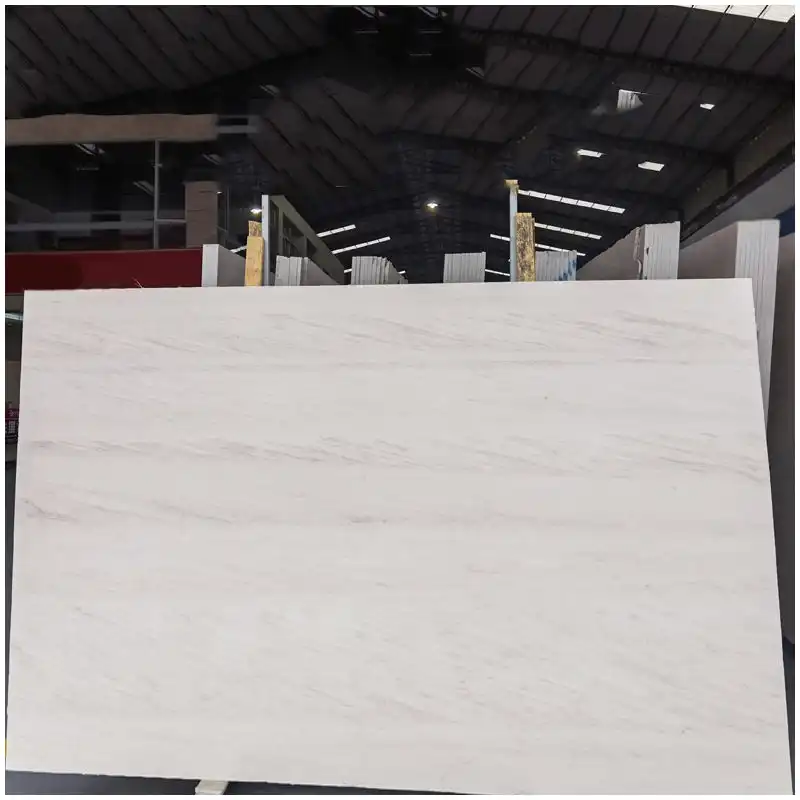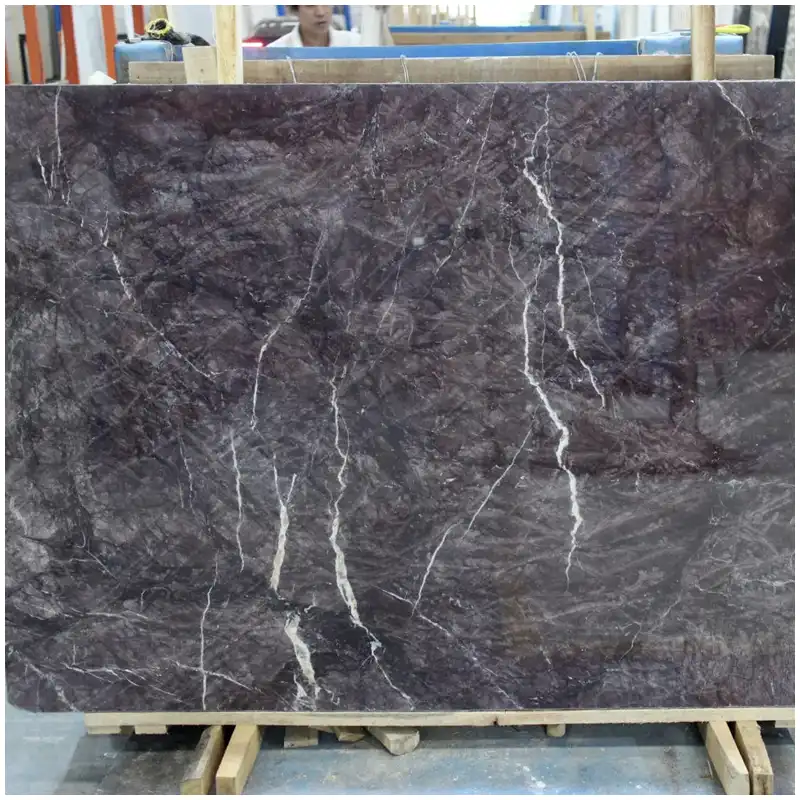
Why Brown Quartzite Slabs Are Defining Warm Luxury Architecture
A luxury kitchen island, hotel reception counter, or villa feature wall can look expensive in two very different ways. One option is safe, clean, and predictable. The other option feels alive: warm brown movement, crystalline depth, dramatic veins, natural gold undertones, and a surface that looks like it was cut from the earth rather than printed by a machine. That second direction explains why Brown Quartzite Slabs are becoming a strong choice in luxury architecture.
Brown quartzite offers something white marble and grey stone do not always deliver: warmth without looking rustic, drama without becoming visually cold, and natural luxury without relying on the usual “white stone plus gold trim” formula. It pairs beautifully with walnut, bronze, champagne metal, black steel, cream plaster, leather furniture, warm lighting, and architectural glass. In high-end villas, boutique hotels, restaurants, bars, and luxury bathrooms, the right slab can become the design signature.
However, exotic quartzite is not a “pick a pretty picture and buy it” material. Buyers should inspect fissures, factory resin filling, slab thickness, finish quality, bookmatch potential, edge behavior, and cutout locations before production. A professional Brown Quartzite Slabs supplier should help buyers match design intent with slab quality, fabrication risk, packing control, and long-term maintenance expectations.

Quick Selection Guide for Brown Quartzite Slabs
Brown Quartzite Slabs are strongest when their natural movement becomes part of the architecture. A plain utility countertop may not need such expressive stone. A luxury kitchen island, fireplace wall, restaurant bar, or hotel lobby counter absolutely can. The investment makes sense when the slab is visible, touched, photographed, and expected to communicate quality.
The key is matching the slab to the application. A dramatic slab may look powerful on a feature wall but create difficult seams on a long island. A leathered finish may feel rich and tactile on a bar but require more cleaning discipline. A polished finish may look stunning under warm lighting but reveal fingerprints, glare, or fissures. Before confirming a container or bulk order, buyers should contact a quartzite stone exporter with full drawings, slab size requirements, finish preferences, cutout positions, and edge details.
| Project Area | Best Brown Quartzite Direction | Finishing yang Direkomendasikan | Buyer Risk to Check |
|---|---|---|---|
| Luxury kitchen island | Exotic movement and large slab continuity | Polished or leathered | Fissures, resin filling, seam location, cutouts |
| Villa feature wall | Bookmatched or high-movement slab | Dipoles atau diasah | Vein continuity, panel numbering, anchoring |
| Hotel lobby reception | Warm brown and gold-toned quartzite | Polished or satin | Edge impact, lighting glare, maintenance |
| Restaurant bar top | Dense darker brown quartzite | Leathered or honed | Staining, oils, alcohol, cleaning chemicals |
| Bathroom vanity | Softer warm brown quartzite | Dipoles atau diasah | Sealing, cosmetics, water exposure |
| Outdoor accent area | Stable slab with suitable finish | Honed, brushed, or textured | Weather, slip resistance, sealing, installation |
What Makes Brown Quartzite Different From Marble and Granite?
Natural Quartzite Identity
Quartzite is commonly valued as a quartz-rich natural stone with crystalline depth, hardness perception, and dramatic natural movement. It can be selected for architecture where designers want something warmer than grey stone, more distinctive than plain granite, and often more performance-oriented than softer marble. But buyers should be careful with commercial names. Some stones are sold under quartzite-style trade names even when geological classification may vary by market.
This is why technical review matters. Ask for stone classification, test data, slab photos, close-up videos, finish samples, fabrication advice, and previous project references. A good natural quartzite slabs factory should not hide behind a pretty name. Pretty names sell samples; technical clarity protects projects.
Brown Quartzite vs Brown Marble
Brown marble can look elegant, soft, and deeply luxurious, but it may be more sensitive to acids and scratching depending on the variety. Brown quartzite is often selected when the project needs natural stone warmth with stronger hardness perception and crystalline depth. This does not mean quartzite is maintenance-free. It can still have fissures, resin-filled areas, pores, edge chipping risk, and sealing requirements.
If the buyer wants a classic soft luxury look for walls or bathrooms, brown marble may work beautifully. If the buyer wants a stronger statement island, bar counter, or architectural slab surface, Brown Quartzite Slabs may justify the premium.
Brown Quartzite vs Granite
Granite is often practical, durable, and suitable for heavy-use counters or floors. Its limitation is visual mood: many granite varieties have speckled movement rather than dramatic flowing veins. Brown quartzite often delivers more luxury personality, making it stronger for kitchen islands, bookmatched walls, fireplace surrounds, and reception counters.
Buyer logic is simple: if the project needs heavy-use practicality with less visual drama, granite may work. If the project needs a one-of-a-kind natural centerpiece, quartzite wins more often.
Top 10 Exotic Brown Quartzite Slabs Trending in Luxury Architecture
1. Taj Mahal-Type Brown Quartzite for Warm Luxury Kitchens
Taj Mahal-style quartzite remains one of the most requested warm luxury directions because it combines cream, beige, taupe, honey, and soft brown movement. It works beautifully with walnut cabinets, champagne bronze handles, warm white walls, and luxury kitchen islands. For buyers who want a brown quartzite surface that feels elegant rather than loud, this is one of the safest design directions.
If the project needs understated luxury, choose softer warm brown quartzite. If the project needs dramatic movement, use a bolder exotic slab. Do not force a calm slab to do theatrical work. Stone has a personality too.
2. Cristallo Brown Quartzite for High-End Statement Interiors
Cristallo-style brown quartzite can offer crystalline depth, translucent-looking areas, and luxurious mineral movement. It is often considered for feature walls, bar counters, luxury islands, and statement interiors. Some slabs may appear suitable for backlit-inspired design, but buyers should never assume translucency from a photo. Always test the actual slab.
Use Cristallo-style slabs when the project needs high-end visual drama and strong lighting control. Avoid using highly fissured slabs near complex cutouts unless the fabricator confirms a safe cutting plan.
3. Patagonia Brown Quartzite for Dramatic Architectural Walls
Patagonia-style brown quartzite creates a natural art effect with bold patches, mineral blocks, cream backgrounds, dark brown sections, and strong contrast. It works well for villa foyers, hotel reception backdrops, luxury bars, and bookmatched feature walls.
This type of slab needs full layout approval. A small sample is useless for understanding the final wall composition. Buyers should approve full slab photos, bookmatch sequence, panel numbering, and dry layout before cutting.
4. Fusion Brown Quartzite for Dynamic Kitchen Islands
Fusion brown quartzite is valued for flowing movement and mixed warm-to-cool tones. It is well suited for large kitchen islands, restaurant counters, bar fronts, and luxury homes where the island is the visual center. Strong movement can make a project unforgettable, but it also makes seam planning more difficult.
If the island requires seams, approve seam position before fabrication. If the slab has strong diagonal movement, the fabricator must coordinate vein direction with the island shape. Otherwise, the island can look like two beautiful slabs had an argument.
5. Nacarado Brown Quartzite for Soft Golden-Brown Interiors
Nacarado-style quartzite offers softer beige, honey, taupe, and warm brown veining. It is useful for calm luxury kitchens, bathroom vanities, hotel suites, spa walls, and villa interiors where the design should feel warm but not chaotic.
Choose this direction when the client wants natural warmth with easier visual control. It pairs well with oak, walnut, brushed gold, cream cabinets, soft lighting, and neutral walls.
6. Palomino Quartzite for Earth-Toned Villa Design
Palomino-style quartzite brings earth tones, brown layers, cream movement, and a natural organic mood. It is suitable for rustic luxury villas, fireplaces, family kitchens, and hospitality spaces that want warmth without looking old-fashioned.
This variety works best with wood textures, plaster walls, bronze metal, leather furniture, and warm LED lighting. For a very modern black-and-white interior, use it carefully so the brown tone does not feel disconnected.
7. Fantasy Brown-Type Quartzite Look for Transitional Interiors
Fantasy Brown-type material is popular in transitional kitchens and bathrooms because it blends taupe, brown, cream, grey, and flowing stone movement. However, commercial naming can vary, and some markets may classify this material differently. Buyers should verify geological classification, etch resistance, and fabrication behavior before selling or specifying it as true quartzite.
If the project needs a warm neutral stone that bridges traditional and modern design, this direction can work very well. Just do the boring technical checks first. Boring checks save exciting money later.
8. Cappuccino Brown Quartzite for Hotel and Restaurant Surfaces
Cappuccino-style brown quartzite uses coffee, cream, caramel, and warm mineral tones. It works well for hotel reception desks, restaurant bars, café counters, and luxury hospitality interiors. The color feels commercial-friendly because it hides small visual marks better than very white stone while still looking premium.
For restaurant use, review staining, sealing, alcohol exposure, citrus exposure, and cleaning chemicals. A beautiful bar top still needs to survive real service, not just opening-night photography.
9. Sequoia Brown Quartzite for Linear Architectural Movement
Sequoia-style brown quartzite often has wood-like linear movement, making it suitable for wall panels, fireplaces, island sides, and modern interiors where directional flow matters. It can create a warm architectural rhythm and works especially well in long horizontal applications.
If used on a wall, align the veins intentionally. If used on a waterfall island, plan the direction carefully so the side panel continues the movement rather than interrupting it.
10. Bronze Brown Quartzite for Dark Luxury Accents
Bronze brown quartzite uses deeper brown, charcoal, bronze, and metallic-like tones. It is a strong choice for luxury bars, powder rooms, hotel lounges, dark kitchens, fireplace surrounds, and dramatic commercial accents.
Use darker brown quartzite when the project has strong lighting and enough space to carry the visual weight. In a small kitchen with weak lighting, dark stone can feel heavy. If the design already includes dark cabinets and dark floors, use bronze quartzite as a controlled accent rather than covering everything.

Deep Leathered Finishes vs. High-Gloss Polished Quartzite
What a Leathered Finish Does to Brown Quartzite
A leathered finish gives brown quartzite a tactile, low-glare surface. It can make the stone feel warmer, more natural, and more architectural. Leathered brown quartzite works well for restaurant bars, kitchen islands, fireplace surrounds, rustic luxury villas, and hospitality counters where touch and texture matter.
The advantage is mood. Leathered quartzite feels less formal than polished quartzite and often hides fingerprints better. The risk is maintenance. Texture can hold residue, oils, and cleaning marks if the surface is too deep or poorly finished. For food-contact or bar use, request a sample and test cleaning before approving the full project.
What a Polished Finish Does to Brown Quartzite
Polished quartzite enhances color depth, crystalline structure, and dramatic veining. It photographs beautifully and feels formal, premium, and elegant. Polished Brown Quartzite Slabs are strong choices for luxury kitchen islands, villa feature walls, hotel reception counters, bathroom vanities, and bookmatched panels.
The risk is reflectivity. Strong lighting can reveal fissures, scratches, glare, fingerprints, resin patches, and edge imperfections. If the project has bright spotlights or strong window light, inspect the slab under similar lighting conditions before approval.
| Selesai | Visual Effect | Penggunaan Terbaik | Buyer Risk |
|---|---|---|---|
| Dipoles | Glossy, deep, dramatic | Islands, walls, vanities, reception desks | Glare, scratches, visible fissures |
| Bertekstur kulit | Textured, warm, tactile | Bars, kitchens, fireplaces, rustic luxury | Cleaning residue in texture |
| Dipoles halus | Smooth and low-glare | Bathrooms, walls, softer interiors | Can show oils if not sealed properly |
| Disikat | Natural and matte | Feature walls and selected floors | Harder to clean if texture is deep |
Exotic Brown Slabs for Statement Kitchen Islands and Accents
Why Brown Quartzite Works for Kitchen Islands
The kitchen island is often the visual center of a luxury home. Brown Quartzite Slabs create warmth, depth, and movement that standard engineered quartz or plain granite may not deliver. A large island gives the stone enough surface area to show its full pattern, making it ideal for exotic slabs with flowing veins or dramatic mineral sections.
For buyers reviewing Lempengan Kuarsit Coklat, the island design should be planned with slab size, seam location, edge profile, sink or cooktop cutouts, and waterfall side continuity. A premium slab deserves more than “just cut it to fit.” That is how beautiful stone becomes expensive regret.
Waterfall Islands and Edge Profiles
Waterfall islands are one of the strongest uses for brown quartzite because the side panels expose the slab movement vertically. This creates a sculptural effect, especially with polished or leathered finishes. Popular edge profiles include straight edge, mitered waterfall, beveled edge, shark nose, bullnose, ogee edge, and thick built-up edges.
If the island uses waterfall sides, choose slabs with movement that can continue from top to side. If the slab has fissures near the edge line, reposition the cut or choose another slab. If the project needs a thick luxury edge, request a mockup or edge sample before final fabrication.
Feature Walls, Bars, Fireplaces, and Outdoor Accents
Brown quartzite is not limited to countertops. It can create natural art walls, fireplace surrounds, bar fronts, elevator lobby panels, hotel reception backdrops, and luxury retail counters. For exterior patios, outdoor kitchens, garden walls, or covered terraces, buyers should review weather exposure, finish selection, sealing, thermal movement, and slip resistance.
For landscape and exterior planning, the guide to Brown Quartzite Slabs in outdoor space is relevant because outdoor use requires a different risk review from indoor islands or walls. Rain, sunlight, freeze-thaw exposure, cleaning methods, and surface texture can change the best specification.
Inspecting Fissures and Natural Resin Filling in Factory Quality QC
Understanding Natural Fissures in Quartzite
Many exotic quartzite slabs contain natural fissures. A fissure is not always a structural crack, but it must be inspected because it can affect cutting, transport, edge polishing, sink cutouts, cooktop openings, and long-term appearance. Natural stone can have character. It should not have secret structural drama.
Buyers should distinguish between stable natural fissures, open cracks, resin-filled veins, surface pits, and transport damage. A stable fissure away from cutouts may be acceptable. A major fissure crossing a sink opening or mitered edge may create high risk.
How to Inspect Resin Filling
Factory resin filling is common in many exotic stones. It can stabilize the surface, fill voids, and improve appearance. But poor resin filling can create visible patches, cloudy areas, uneven polish, pinholes, sticky residue, color mismatch, or weak edges. Buyers should inspect close-up photos, angled light photos, surface videos, and backside reinforcement.
Important checks include resin color match, filled-vein levelness, polish consistency over filled areas, open holes, back mesh condition, edge behavior, and whether fissures continue through critical cutting zones. For high-value slabs, ask for a factory QC report or inspection video before shipping.
| QC Item | What to Inspect | Buyer Risk If Ignored |
|---|---|---|
| Full slab photo | Overall vein movement and fissure location | Wrong layout approval |
| Backside inspection | Mesh backing and reinforcement quality | Breakage during fabrication |
| Resin filling | Color, clarity, adhesion, levelness | Visible patches or weak areas |
| Fissure location | Near sink, cooktop, edge, or seam | Fabrication cracks or rejected pieces |
| Toleransi ketebalan | Consistent slab thickness | Installation and edge problems |
| Permukaan akhir | Polish or leather texture consistency | Patchy final appearance |
| Edge test sample | Fabrication behavior and chipping risk | Edge rejection after cutting |
When to Reject a Slab
A buyer should reject or avoid a slab if open cracks continue through critical cut areas, resin patches look unstable, back mesh is separating, large voids remain unfilled, thickness varies heavily, or the supplier refuses close-up inspection. Fissures are not automatically a deal-breaker. Hidden risk is.
If fissures are decorative and stable, they may be acceptable with careful layout. If fissures cross structural cutouts, the risk rises. If resin filling is visually unacceptable, request replacement, rework, or a different slab before production begins.
Material Parameters Buyers Should Compare Before Ordering
Absorption, Density, and Strength
Quartzite is often chosen for durability, but performance varies by stone. Buyers should request absorption, density, compressive strength, modulus of rupture, abrasion resistance, thickness tolerance, and finish consistency. ASTM C616/C616M is commonly referenced for quartz-based dimension stone physical property categories including absorption by weight, density, compressive strength, modulus of rupture, and abrasion resistance.
For logistics planning, buyers may estimate natural quartzite weight using a general stone density planning range around 2,650–2,750 kg/m³, but actual supplier data should control final shipping and handling calculations. A 20mm slab at 2,700 kg/m³ weighs about 54 kg per square meter before crate weight. A 30mm slab weighs about 81 kg per square meter. That difference matters when planning A-frame packing, unloading, and installation teams.
Slip Resistance for Floors and Outdoor Use
If Brown Quartzite Slabs are used for floors, stairs, patios, pool-adjacent zones, or outdoor walkways, finish selection and slip resistance need review. ANSI A326.3 is used for dynamic coefficient of friction testing of hard surface flooring materials. Local building codes and project safety requirements should guide acceptance.
| Parameter | Why It Matters | Buyer Checkpoint |
|---|---|---|
| Absorption | Controls staining and sealing risk | Request test data and sealer guidance |
| Kepadatan | Affects compactness and logistics weight | Confirm actual supplier report |
| Compressive strength | Indicates load resistance | Important for floors and counters |
| Modulus of rupture | Supports structural performance review | Important for fabrication and slabs |
| Abrasion resistance | Affects surface wear | Review for floors, bars, and commercial areas |
| Toleransi ketebalan | Affects installation and edge quality | Check batch consistency |
| Slip resistance | Supports safety in wet or outdoor areas | Review finish and local requirements |
Brown Quartzite Slabs vs Alternative Materials
Brown quartzite is not the only luxury surface option. Buyers often compare it with marble, porcelain slabs, engineered quartz, and granite. The best choice depends on project priority: natural uniqueness, maintenance control, budget, fabrication complexity, and application area.
| Bahan | Best Strength | Main Limitation | Penggunaan Terbaik |
|---|---|---|---|
| Lempengan Kuarsit Coklat | Exotic natural luxury and strong movement | Fissure and resin QC needed | Islands, walls, vanities, bars |
| Brown Marble | Classic warmth and elegant veining | More acid-sensitive in many cases | Bathrooms, walls, luxury interiors |
| Porcelain Slabs | Consistency and low maintenance | Less natural depth | Commercial walls and low-maintenance homes |
| Kuarsa yang Direkayasa | Color control and predictable production | Less natural uniqueness | Modern kitchens and apartments |
| Granit | Durability and practical use | Less exotic veining in many varieties | Heavy-use counters and floors |
Fabrication Risks Buyers Should Plan Before Cutting
Sink and Cooktop Cutouts
Cutouts create stress points. If fissures or resin-filled veins pass through a sink or cooktop opening, fabrication risk increases. Buyers should map fissure locations before cutting and adjust the layout if needed. A beautiful slab should not be sacrificed to a bad sink position.
Seam Placement
Large kitchen islands may require seams. Strong movement makes seams more visible, so seam placement should be approved before production. Use layout drawings, slab photos, and dry layout to control visual flow.
Edge Chipping
Quartzite can still chip during fabrication if tooling, feed rate, support, or edge profile is wrong. For expensive exotic slabs, request an edge sample or fabrication test, especially for mitered waterfall edges, thick built-up edges, and sharp profiles.
Transport and Handling
Exotic quartzite should be packed carefully using suitable A-frame crates, protection between slabs, clear labeling, and secure loading. Buyers should inspect slabs upon arrival and document any transport damage immediately.
Common Buyer Mistakes When Buying Brown Quartzite Slabs
Mistake 1: Choosing Only From Small Samples
Small samples cannot show slab movement, fissures, resin filling, bookmatch potential, or seam challenges. They are useful for color direction, not final approval.
Recommendation: approve full slab photos, videos, and close-up inspection before ordering.
Mistake 2: Assuming All Brown Quartzite Is the Same
Different quartzite varieties vary in density, fissures, absorption, resin filling, and fabrication behavior. The name alone does not guarantee performance.
Recommendation: request test data, supplier guidance, and fabrication notes.
Mistake 3: Ignoring Fissures Before Cutouts
Fissures near sink or cooktop openings can create breakage risk during cutting or installation.
Recommendation: map fissures and move cutouts away from weak zones where possible.
Mistake 4: Choosing Finish Only by Appearance
Polished, leathered, honed, and brushed finishes behave differently in cleaning, lighting, staining, and touch.
Recommendation: choose finish by application, not showroom lighting.
Mistake 5: Not Ordering Enough Matching Material
Natural slabs vary. Replacement material from a later batch may not match the original color or vein pattern.
Recommendation: order extra material for seams, repairs, future replacement, and large projects.
Buyer RFQ Checklist for Brown Quartzite Slabs
| RFQ Item | What Buyers Should Confirm | Why It Matters |
|---|---|---|
| Application area | Island, wall, vanity, bar, floor, outdoor area | Determines finish, thickness, and QC risk |
| Stone name and classification | Commercial name and geological information if available | Prevents material misunderstanding |
| Slab photos and videos | Full view, close-up, backside, lighting angles | Controls fissure and resin approval |
| Selesai | Polished, leathered, honed, brushed | Affects appearance and maintenance |
| Cutout plan | Sink, cooktop, faucet, outlet, service openings | Avoids weak fissure zones |
| Edge profile | Straight, mitered, bullnose, bevel, thick edge | Controls fabrication difficulty |
| Metode Pengemasan | A-frame crate, protection, labeling, sequence | Reduces transport breakage |
Final Recommendation: Choose Brown Quartzite by Design Impact and QC Discipline
Brown Quartzite Slabs are worth considering when a luxury project needs warmth, movement, natural depth, and architectural identity. They work especially well for kitchen islands, waterfall counters, bookmatched feature walls, hotel reception desks, restaurant bars, bathrooms, fireplaces, and selected outdoor accents. The stronger the slab movement, the more important full-slab approval becomes.
If the project needs calm luxury, choose soft brown-gold quartzite. If the project needs natural art, choose high-contrast exotic slabs. If the surface will be touched daily, inspect finish, fissures, resin filling, sealing, and edge fabrication. If the slab will be used outside, review weather exposure, slip resistance, and installation method. If the supplier cannot provide close-up QC support, keep searching.
Before choosing Brown Quartzite Slabs, prepare the application area, slab size, finish preference, cutout position, edge profile, fissure tolerance, QC requirements, quantity, packing needs, and maintenance expectations. A professional custom cut-to-size quartzite slabs factory can help match the right material to your design intent and fabrication risk.

Frequently Asked Questions About Brown Quartzite Slabs
1. Are Brown Quartzite Slabs good for kitchen islands?
Brown Quartzite Slabs are good for kitchen islands when buyers want a warm luxury focal point with natural movement, depth, and premium stone character. They work especially well for large islands, waterfall edges, open kitchens, and villa interiors where the island becomes the visual center. Before fabrication, buyers should inspect full slab photos, fissures, resin filling, slab size, seam location, sink or cooktop cutouts, finish selection, edge profile, and sealing recommendations. A beautiful slab can fail the project if weak fissures or poor seam planning are ignored.
2. Is leathered or polished brown quartzite better?
Leathered and polished brown quartzite are both useful, but they serve different design and maintenance goals. Polished brown quartzite creates deeper color, stronger reflection, and more dramatic luxury, making it suitable for kitchen islands, feature walls, vanities, and reception counters. Leathered brown quartzite creates a warmer, tactile, low-glare surface that works well for bars, rustic luxury kitchens, fireplaces, and hospitality spaces. Buyers should choose by application, lighting, cleaning habits, touch frequency, and stain risk rather than showroom appearance alone.
3. Do Brown Quartzite Slabs need sealing?
Many Brown Quartzite Slabs should be sealed depending on the specific material, absorption level, finish, and application area. Quartzite is often selected for durability, but natural stones vary, and some slabs may still absorb liquids or show stains if not protected properly. Kitchen islands, bar tops, bathroom vanities, outdoor spaces, and hospitality counters should be reviewed carefully. Buyers should ask the supplier or fabricator for recommended sealer type, cleaning method, resealing schedule, and stain testing guidance before installation.
4. Are fissures normal in exotic brown quartzite?
Fissures can be normal in many exotic brown quartzite slabs because natural stone forms under geological pressure and often contains mineral movement, veins, and internal features. However, buyers should not ignore fissures. The important question is whether the fissures are stable, resin-filled, visually acceptable, and safely positioned away from sink cutouts, cooktop openings, mitered edges, and seam lines. Full slab photos, close-up inspection, backside review, resin filling checks, and dry layout approval help reduce fabrication and installation risk.
5. How do I choose a Brown Quartzite Slabs supplier?
To choose a Brown Quartzite Slabs supplier, buyers should check whether the supplier provides full slab photos, close-up videos, fissure inspection, resin filling review, finish options, test data, bookmatch support, cut-to-size fabrication, edge sample support, packing control, replacement planning, and maintenance guidance. A reliable supplier should ask about application area, slab size, finish preference, cutout locations, edge profile, outdoor or indoor use, and project quantity before recommending slabs. Avoid suppliers that only show small samples and avoid detailed QC discussion.
References
- ASTM C616/C616M: Standard Specification for Quartz-Based Dimension Stone, Author: ASTM International, Institution: ASTM International, Source: Dimension Stone Standards.
- ANSI A326.3: Dynamic Coefficient of Friction of Hard Surface Flooring Materials, Author: Tile Council of North America, Institution: ANSI and TCNA, Source: Hard Surface Flooring Standards.
- Care and Maintenance of Natural Stone, Author: Natural Stone Institute, Institution: Natural Stone Institute, Source: Consumer Stone Care Resources.
- Dimension Stone Design Manual, Author: Natural Stone Institute Technical Committee, Institution: Natural Stone Institute, Source: Technical Design Manual.
- Stone Testing: Physical Properties of Natural Stone, Author: MIA Technical Resources Contributors, Institution: Natural Stone Institute, Source: Stone Industry Technical Resources.
- Countertop Fabrication and Installation Best Practices, Author: Natural Stone Institute Education Contributors, Institution: Natural Stone Institute, Source: Stone Fabrication Training Resources.
- Interior Design Reference and Specification Book, Author: Chris Grimley and Mimi Love, Institution: Rockport Publishers, Source: Interior Design Specification Reference.
- Luxury Surface Materials and Natural Stone Trends, Author: Editorial Contributors, Institution: Architectural Digest and Hospitality Design Magazine, Source: Design Industry Publications.
How Buyers Should Evaluate Brown Quartzite Slabs
How should buyers choose Brown Quartzite Slabs for luxury architecture?
Buyers should start with the application area and design intent. Kitchen islands need slab continuity, edge planning, and cutout safety. Feature walls need full slab layout and bookmatch approval. Bars and restaurants need stain and cleaning review. Outdoor areas need finish, sealing, weather, and slip-resistance checks.
Why are fissures and resin filling important?
Exotic quartzite often contains natural fissures and resin-filled areas. These features may be acceptable when stable and well processed, but they can create fabrication risk if they cross sink cutouts, cooktop openings, mitered edges, or seam lines. Buyers should inspect full slab photos, close-ups, backside reinforcement, and resin quality before cutting.
What option works best for statement kitchen islands?
For statement kitchen islands, choose large-format brown quartzite with strong but controllable movement. Polished finishes create dramatic shine and color depth, while leathered finishes add tactile warmth and lower glare. If waterfall sides are planned, confirm vein direction and edge fabrication before production.
What option works best for bars and hospitality counters?
For restaurant bars and hospitality counters, leathered or honed brown quartzite may be practical because it reduces glare and feels warmer to the touch. Buyers should test cleaning, sealing, alcohol exposure, citrus exposure, oil staining, and edge durability before final approval.
Consideration: What should buyers check before ordering?
Buyers should check stone classification, full slab photos, fissure location, resin filling, back mesh, thickness tolerance, surface finish, absorption, density, abrasion resistance, slip resistance for flooring, cutout plan, seam location, edge profile, packing, and replacement stock.
Recommendation
If the project needs warm luxury and natural uniqueness, Brown Quartzite Slabs are a strong choice. If the project needs perfect uniformity and low maintenance, porcelain or engineered quartz may be safer. If the slab has dramatic movement, approve full layout before cutting. If fissures cross critical fabrication areas, choose another slab or adjust the design.
Before selecting Brown Quartzite Slabs for a villa, kitchen, hotel, bar, bathroom, fireplace, or outdoor accent, prepare your application drawings, slab size requirements, finish preference, edge profile, cutout positions, and QC expectations. A professional Brown Quartzite Slabs supplier can help reduce fabrication risk and protect the final luxury effect.