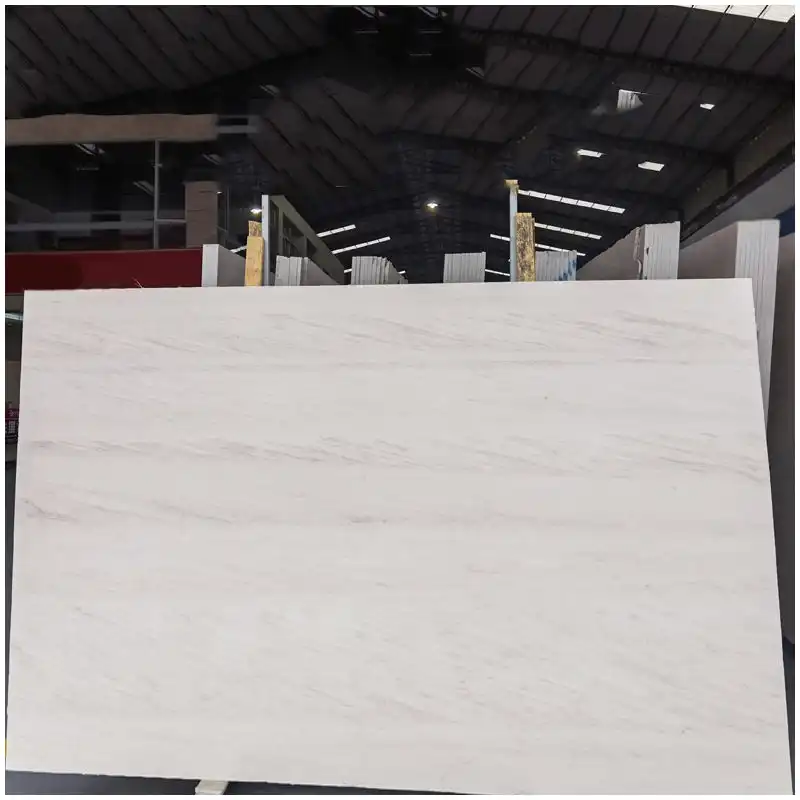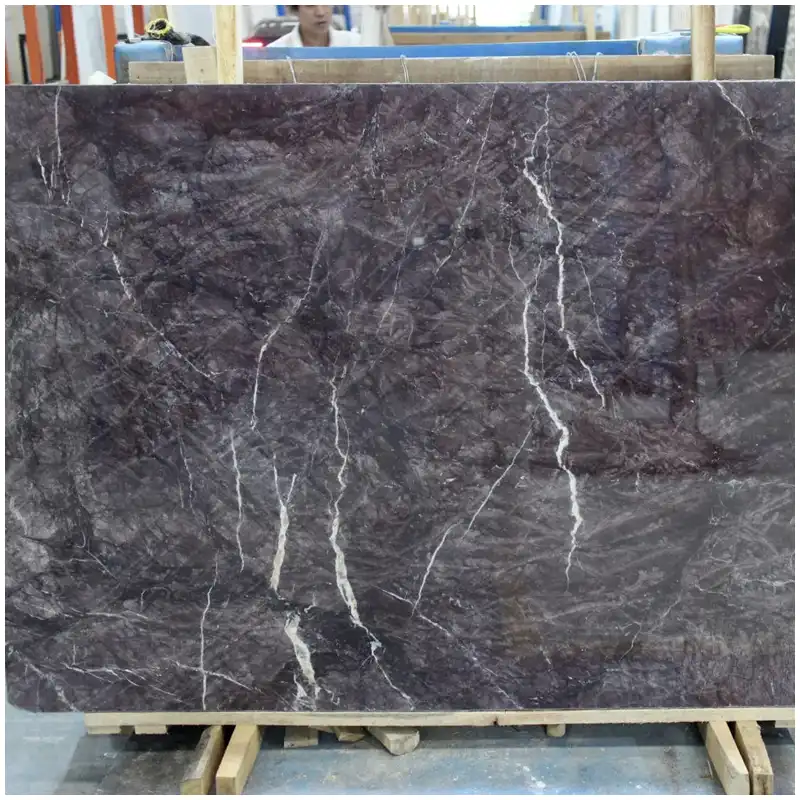
In de ultrapremière vastgoedmarkten van 2026 wordt natuursteen niet langer alleen gezien als een afwerking; het is een high-performance asset. Voor een inkoopdirecteur of hoofdarchitect is de verschil tussen Calacatta en Carrara marmer staat voor de fijne lijn tussen een project dat in waarde stijgt en een project dat enorme herstelkosten met zich meebrengt. Het veiligstellen van authentieke witte luxe marmeren platen vereist het navigeren door een toeleveringsketen vol “commerciële kwaliteit” vervangingen en geologische inconsistenties. Samenwerken met een verticaal geïntegreerde Italiaanse marmerfabriek is niet alleen een inkoopkeuze—het is een risicotransferstrategie die structurele integriteit en esthetische afstemming garandeert gedurende de gehele levenscyclus van een project.
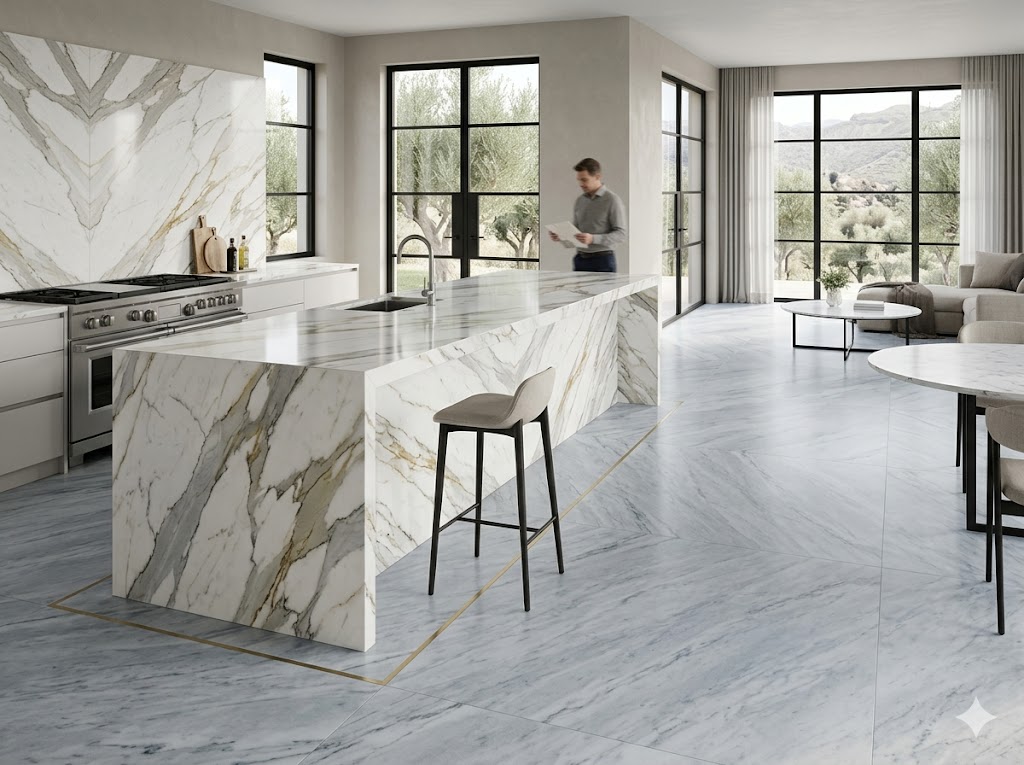
Visuele identiteit: merkautoriteit versus ruimtelijke harmonie
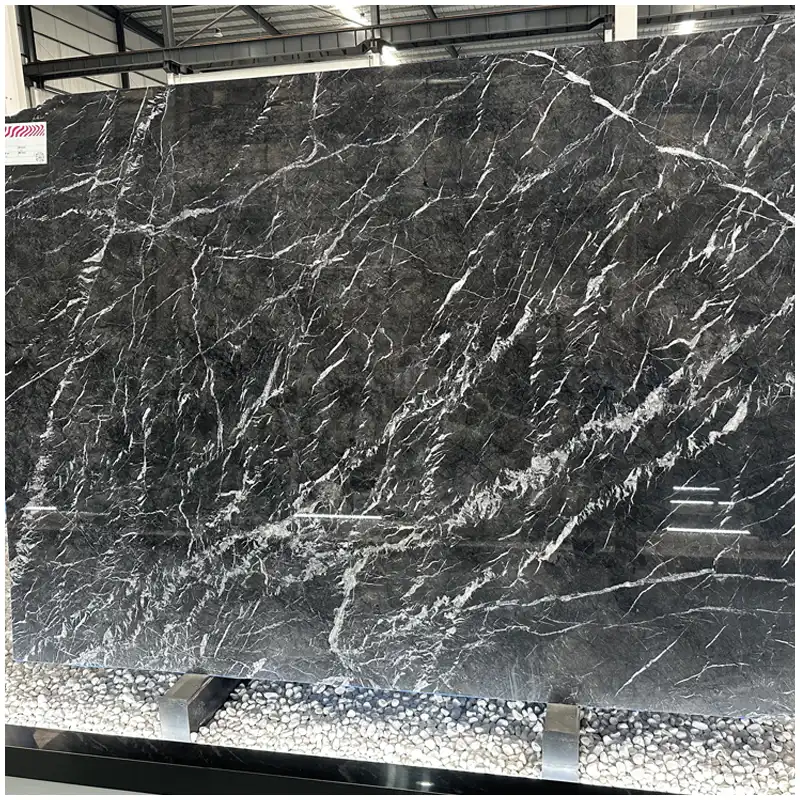
Marmer bepaalt de “emotionele temperatuur” van een ruimte. Ontwerpers moeten de energie van de steen afstemmen op de merkidentiteit van het project. Calacatta marmer wordt universeel gekenmerkt door zijn opvallende, hoogcontrastige en diep dramatische uiterlijk. Over het hele lichtgevende canvas vind je dikke, gedurfde nerven die met immense energie doorlopen. Voor avant-garde luxe specificeren ontwerpers steeds vaker zeldzame varianten zoals Calacatta Violet marmer om een zeldzame, brecciërende violet-gouden textuur te introduceren die onmiddellijk de aandacht van de markt trekt. Omdat de nerven groot en expressief zijn, is Calacatta de ultieme keuze voor book-matching op monumentale accentmuren.
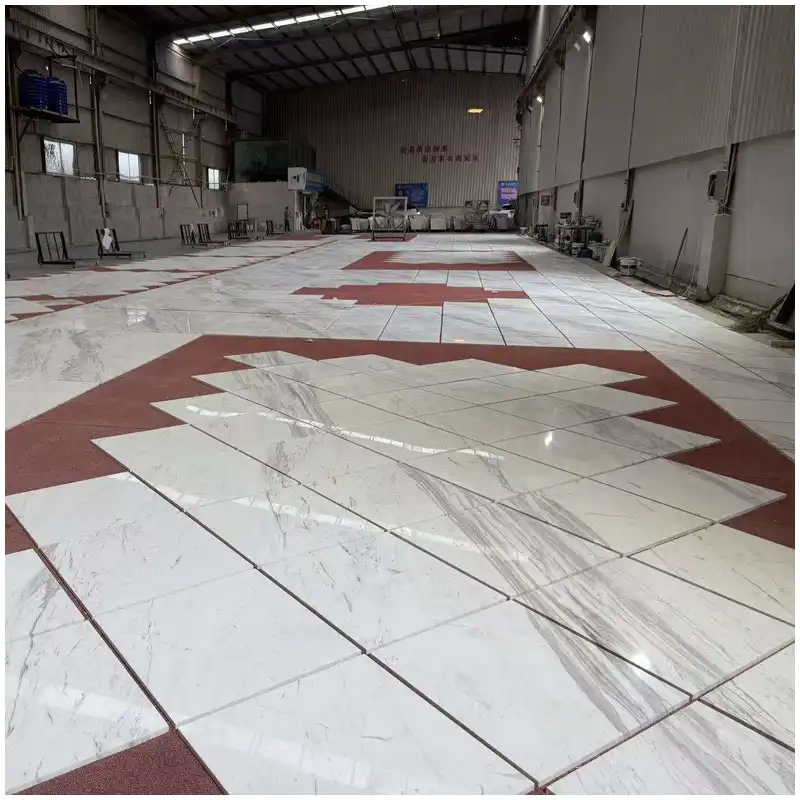
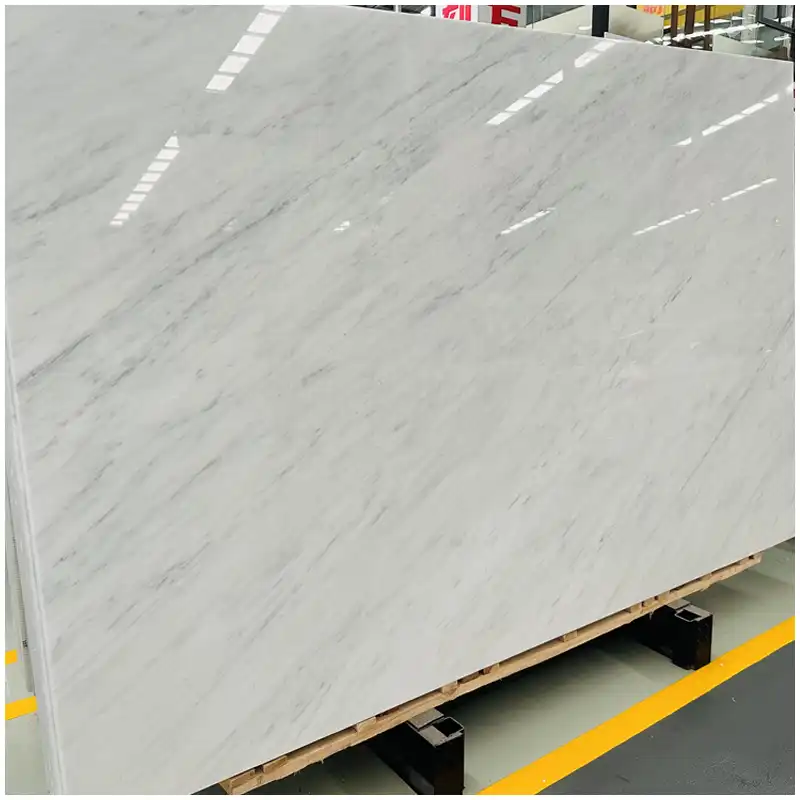
Daarentegen, Carrara marmer is het absolute toppunt van ingetogen, stille luxe. De achtergrond neigt naar een zachte, mistige grijze of blauwgrijze kleur met pluizige, lineaire nerven. Bij het ontwerpen van een uitgestrekte luxe hotellobby of een enorm bedrijfsatrium is het inkopen van groothandel Carrara witte marmeren platen zorgt voor een serene, continue oppervlakte. De uniforme aard van het patroon maakt het ongelooflijk vergevingsgezind tijdens installatie, waardoor een harmonieuze flow over duizenden vierkante voet gegarandeerd is zonder het oog te overweldigen of te concurreren met andere designelementen.
Materiaalprestaties: wetenschappelijke gegevens en naleving
Voor constructie-ingenieurs is visuele schoonheid altijd ondergeschikt aan empirische prestatiegegevens. Beide stenen werden miljoenen jaren geleden gesmeed door intense ondergrondse hitte en tektonische druk. Hieronder volgt een vergelijkende blik op de technische parameters van deze premium stenen om te helpen bij inkoop met hoge nauwkeurigheid.
| Technische parameter | Carrara Marmer (gemiddeld) | Calacatta Marmer (gemiddeld) | Regelgeving naleving (ASTM C503) |
| Dichtheid (g/cm³) | 2.71 | 2.72 | Minimaal 2,59 |
| Waterabsorptie (%) | 0.22% | 0.18% | Maximaal 0,20% |
| Samendruksterkte (MPa) | 120.0 | 125.0 | Minimaal 52,0 |
| Buigsterkte (MPa) | 14.5 | 15.2 | Minimaal 7,0 |
| Mohs hardheidsschaal | 3,0 – 3,5 | 3,0 – 3,5 | Calcietstandaard |
Hoewel Calacatta vaak een iets lagere waterabsorptie en een hogere dichtheid vertoont, blijven beide stenen poreuze natuurmaterialen. Om de integriteit van een Carrara marmer tafelblad, manufacturers must utilize advanced vacuum resin lines to fill microscopic natural voids, significantly increasing the slab’s flexural strength before it reaches the consumer. For More Carrara Marble New, read this blogs: Een professionele gids voor inkopers over de beoordeling van Bianco Carrara-marmer: begrijpen van CD-, C- en extra kwaliteit Hoe grote hoeveelheden Carrara-marmer te betrekken voor hoogwaardige commerciële projecten: een checklist voor leveranciers
Koperspijn punten: verborgen risico’s in inkoop identificeren
B2B-kopers hebben vaak te maken met “Plaatangst”—de angst dat het geleverde materiaal niet overeenkomt met het monster of kort na installatie faalt. Bij grootschalige projecten kan het inkopen van meerdere batches leiden tot “Visuele discontinuïteit”, waarbij één blok een frisse witte achtergrond heeft terwijl het volgende een modderige gele ondertoon heeft. Om dit te verminderen, staan deskundige inkoopteams erop om blokvergrendeling bij de bron toe te passen. Dit zorgt ervoor dat een Carrara marmer badkamer aanrecht perfect overeenkomt met de omliggende vloertegels.
Bovendien bestaat er een algemeen misverstand dat “premium prijs gelijk staat aan onverwoestbaar”. In werkelijkheid zijn beide marmers gebaseerd op calciumcarbonaat en zullen ze etsen (verbleken) bij contact met zure stoffen zoals citroensap of wijn. Zonder goede verwachtingsbeheer kunnen huiseigenaren teleurgesteld zijn door de natuurlijke patina die zich na verloop van tijd ontwikkelt. Professionals dienen altijd een gedetailleerd onderhoudsprotocol aan klanten te verstrekken vóór de definitieve specificatie. Als u niet zeker bent van de beste steen voor een zone met veel verkeer, dient u contact met ons op te nemen voor een gespecialiseerde consultatie over materiaalgeschiktheid en beschermende afdichtingsopties.

De B2B beslissingsmatrix: Als X → Kies Y
Om de ROI te maximaliseren en vertragingen op de bouwplaats te minimaliseren, maken moderne ontwikkelaars gebruik van een rigoureuze inkooplogica die esthetiek balanceert met de Totale Kosten van Eigendom (TCO).
-
ALS het project een enorme commerciële footprint is (lobby/gang) → KIES Carrara marmer voor zijn pluizige patrooncontinuïteit en kostenefficiëntie.
-
ALS het focuspunt is een kenmerkend keukeneiland of receptiebalie → KIES Calacatta marmer voor zijn dramatische architecturale energie.
-
ALS het ontwerp vraagt om op maat gemaakte meubels in residentiële suites → KIES een nauwkeurig gefabriceerd Carrara marmer tafelblad voor zijn ingetogen elegantie.
-
ALS de toepassing is in een verhuur- of hospitality-omgeving met hoge omzet → KIES een gepolijste afwerking om de microscopische krassen die onvermijdelijk in openbare ruimtes optreden beter te maskeren.
Industrietrends en regelgevingnormen
The architectural sector is experiencing a massive pivot toward “Biophilic Design.” This trend favors authentic, unpredictable natural veining over sterile synthetic surfaces. Projects that utilize authentic Italian stone with transparent ethical sourcing documentation are achieving higher market valuation. However, aesthetic vision must never supersede building safety codes. In commercial public applications, specifying a highly polished marble floor is a severe legal liability.
According to international building safety codes, flooring in wet areas must meet strict Dynamic Coefficient of Friction (DCOF) standards. Polished marble—whether Calacatta or Carrara—is incredibly slippery when wet. Therefore, commercial architects must legally mandate a “honed” or “leathered” finish for marble floors to add essential microscopic surface grip, ensuring legal compliance and preventing slip-and-fall litigation.
Sourcing Strategies for Asset Appreciation
The decision between the bold authority of Calacatta and the serene grace of Carrara is ultimately a balance of budget and emotional intensity. By navigating the supply chain with a focus on scientific parameters and direct-factory partnerships, you move beyond simply “buying stone” to building a lasting legacy. To optimize budgets, intelligent procurement teams abandon localized retail distributors and establish direct relationships with vertically integrated processing facilities. This reduces material costs by up to 40% while ensuring batch-level color consistency for expansive architectural layouts.
|
|
|


FAQ
1. Is Calacatta marble more expensive than Carrara marble?
Yes, Calacatta marble is significantly more expensive than Carrara marble due to its extreme geological rarity. While Carrara is abundant and acts as the “workhorse” of the Italian stone industry, Calacatta is found in limited seams and isolated pockets. Its stark white background and highly sought-after bold veining represent a very low percentage of total quarry output, driving its status as a premier luxury commodity with a much higher price point per square foot.
2. Can natural white marble be used safely in high-traffic commercial flooring?
Yes, but only if the correct finish is specified. In high-traffic commercial environments such as hotel lobbies or shopping malls, polished marble presents a major slip liability and will quickly show signs of wear. Architects must legally mandate a honed or leathered finish to meet Dynamic Coefficient of Friction (DCOF) standards. These matte finishes provide better microscopic surface grip and are more forgiving of the micro-scratches caused by heavy footfall.
3. Why does some white marble turn yellow or brown after installation?
Yellowing is a common pain point typically caused by internal iron oxidation or improper maintenance. Because marble is a natural stone, it contains trace minerals, including iron. If exposed to excessive moisture or non-breathable sealers, the iron can oxidize (rust). Additionally, using improper floor waxes or acidic cleaners can trap dirt, leading to a yellowed appearance. Sourcing from a reputable Italiaanse marmerfabriek that uses high-quality resin-vacuum lines helps mitigate these internal risks.
4. How do I maintain a Carrara marble countertop to prevent etching?
Maintaining marble requires consistent, informed care. Because marble is calcareous, it will “etch” (dull) upon contact with acids like vinegar, lemon, or wine. To prevent this, a Carrara marmer badkamer aanrecht should be sealed with a professional-grade impregnating sealer upon installation and resealed every 6-12 months. For daily cleaning, always use a pH-neutral stone cleaner and a soft cloth, avoiding any harsh abrasive chemicals.
5. What are the advantages of buying marble slabs direct from a manufacturer?
Buying direct from a vertically integrated factory offers three major advantages: cost optimization, batch consistency, and technical quality. By choosing to buy marble slabs direct, procurement teams can save up to 30-40% on material costs. Furthermore, it allows for “block locking,” ensuring that every slab in a project comes from the same geological block for perfect color harmony, which is nearly impossible to achieve through secondary retail distributors.
References
-
“ASTM C503: Standard Specification for Marble Dimension Stone.” ASTM International, 2025.
-
“Natural Stone Institute: Dimension Stone Design Manual (v2026).” Natural Stone Institute.
-
“Dynamic Coefficient of Friction (DCOF) Testing and Slip Resistance Standards.” Tile Council of North America (TCNA).
-
“The Geology of the Apuan Alps: Extraction Yields and Scarcity.” Italian Geological Society.
-
“Biophilic Design and the Return to Natural Materials in Corporate Architecture.” Journal of Architectural Science.
-
“Chemical Etching and Sealing Protocols for Calcareous Stones.” International Stone Maintenance Association.
-
“The Economic Impact of Natural Stone in Luxury Real Estate Appreciation.” Global Property Guide, 2026.
-
“Sustainable Quarrying: Environmental Standards in Modern Stone Extraction.” European Stone Federation.
Expert Insights: Strategic Procurement of White Marble Assets
Strategic Sourcing Logic (Why & How): In the 2026 luxury construction market, the allocation of white marble dictates both the aesthetic triumph and the financial viability of a project. Calacatta marmer, due to its extreme geological rarity and energetic veining, functions as a high-impact architectural focal tool. Conversely, Carrara marmer offers high-yield availability and subtle, feathered backgrounds, establishing it as the undisputed standard for expansive commercial flooring and large-scale residential continuity.
Key Sourcing Options & Operational Considerations
- Total Cost of Ownership (TCO) Strategy
To minimize long-term remediation costs, savvy buyers should bypass retail markups and buy marble slabs direct from a vertically integrated Italiaanse marmerfabriek. This approach ensures “block-locking” for batch-level color consistency and provides access to advanced vacuum resin technologies that increase the structural flexural strength of the slabs. - Commercial Compliance (Safety & Risk)
Aesthetic vision must never supersede building safety codes. For commercial high-traffic areas, architects must legally mandate honed or leathered surface finishes for all witte luxe marmeren platen to comply with Dynamic Coefficient of Friction (DCOF) standards. Polished marble, while visually striking, presents a major slip-and-fall liability in public or wet environments.