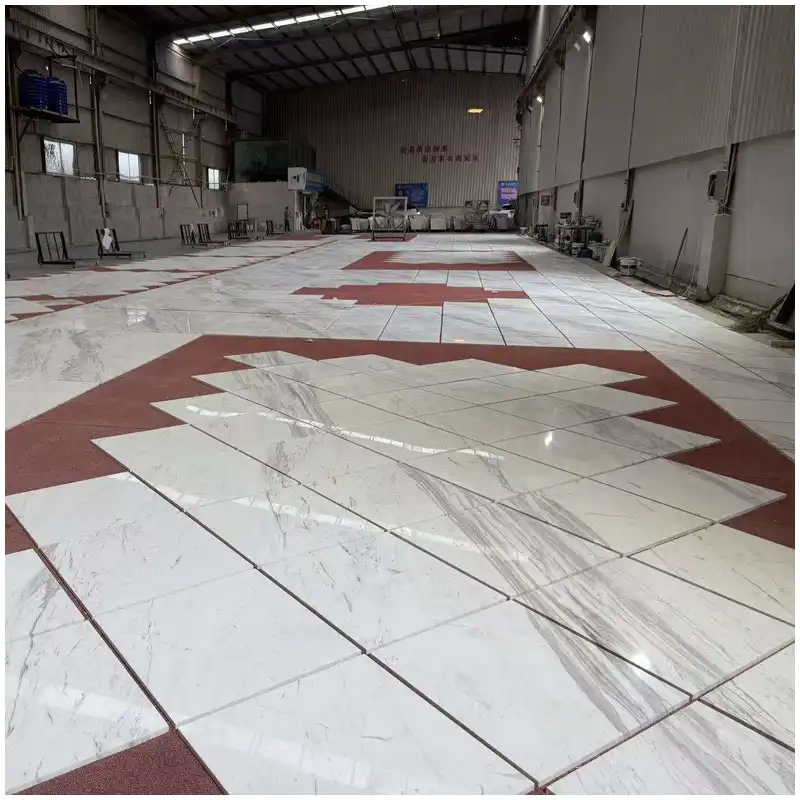





Scurtă prezentare
Calcar Moca Creme is a Portuguese beige limestone from the Alcanede / Santarém stone region, known for a warm cream-beige background, fine-to-medium grain, and parallel vein-cut movement created by aligned fossil and sedimentary features. It is widely used for wall cladding, floor tiles, façades, stairs, bathroom surfaces, sills, pool details, and custom architectural pieces.
The material can be finished honed, polished, brushed, sandblasted, bush-hammered, or tumbled depending on the project. For large elevations and floors, the main selection points are grain direction, vein-cut consistency, shell or fossil distribution, finish, panel size, and the intended installation sequence.
Moca Creme Limestone Tiles for Walls, Floors, Façades, and Villa Projects
Moca Creme is one of Portugal’s established beige limestones and is strongly associated with the Alcanede / Pé da Pedreira extraction area. The stone is usually read as cream-beige rather than yellow, with a fine to medium grain and elongated fossil or sedimentary features that create a distinctive parallel pattern when the blocks are vein cut.
That directional structure is important in architecture. On a façade, the linear grain can run horizontally to emphasize building length or vertically to reinforce height. On flooring, the same movement can organize corridors and large rooms. In villa projects, Moca Creme works well as a continuous neutral material across exterior cladding, entrance floors, stairs, bathroom walls, and selected landscape details.
Beige Limestone Wall Cladding: Parallel Vein Direction and Panel Layout
Moca Creme Limestone Tiles are especially effective when the vein direction is treated as part of the elevation rather than as random surface texture. Long horizontal pieces can reinforce a linear façade, while taller vertical panels create a different architectural rhythm. Fossil lines, shell traces, darker beige bands, and occasional open features are natural to this limestone family, so panel grouping and dry layout are useful where the design requires a controlled appearance.
Moca Creme Limestone Specification for Tiles, Slabs, and Cut-to-Size Work
| Denumirea produsului | Calcar Moca Creme |
| Material | Calcar Moca Creme |
| Origine | Portugal — Alcanede / Santarém region |
| Related Names | Moca Cream Limestone / Mocca Creme / Mocha Cream / Crema Moca / St. Hubert / Relvinha in selected trade references |
| Color Character | Warm cream-beige background with fine to medium grain, linear darker beige fossil traces, and parallel directional movement |
| Forme ale produsului | Slabs, wall tiles, floor tiles, façade panels, stair treads and risers, window and door sills, pool coping, paving, shower pieces, and custom cut-to-size work |
| Finisaj | Honed / polished / brushed / sandblasted / bush-hammered / tumbled; other textures by project review |
| Visual Structure | Vein-cut parallel grain with fossil and shell-related sedimentary movement; cross-cut selections can read more cloud-like |
| Aplicații principale | Interior walls and floors, exterior façades, villa elevations, stairs, bathrooms, sills, pool areas, landscaping details, columns, and architectural stonework |
Published EN Test Reference for Moca Creme Limestone
A European geological technical card for Moca Creme de Grão Fino / Relvinha publishes exact Moca Creme fine-grain limestone properties under named EN methods. The values were compared with independent Portuguese Moca Creme references from Stone World, Gold Stone, SGM, and Stone Sense. Those sources show the expected quarry and grain-selection variation, so the EN-tested fine-grain set below is presented as the primary material reference rather than a universal batch guarantee.
| Proprietate | Metodă de testare | Published Result | Cross-Check Note |
| Apparent Density | EN 1936 | 2450 kg/m³ | Other Moca Creme references publish approximately 2430–2515 kg/m³ |
| Open Porosity | EN 1936 | 8.1% vol. | Independent Moca Creme references publish approximately 5.9–8.85% depending on selection |
| Water Absorption at Atmospheric Pressure | EN 13755 | 3.5% wt. | Cross-check sources commonly publish approximately 2.34–3.60% |
| Uniaxial Compressive Strength | EN 1926 | 97 MPa | Other Moca Creme references commonly fall around 81.5–92.7 MPa |
| Flexural Strength under Concentrated Load | EN 12372 | 12.8 MPa | Other published Moca Creme values are commonly around 9.8–12.4 MPa |
| Compressive Strength after Freeze-Thaw Cycling | EN 12371 / EN 1926 | 76 MPa after 25 cycles | Published in the Moca Creme fine-grain technical card; exterior suitability remains climate- and detail-specific |
Reference basis: EUROLITHOS / European geological technical card for Moca Creme de Grão Fino (Relvinha), cross-checked against Portuguese Moca Creme data published by Stone World, Gold Stone, SGM, and Stone Sense.
Final values can be confirmed by current-batch test report when required for project approval.
Floor Tiles: Grain Direction, Finish, Slip, and Joint Layout
Moca Cream Limestone floor tiles can create a quiet continuous surface when the beige tone and linear grain are grouped carefully. In corridors and long rooms, the vein direction can visually lengthen the space. Honed surfaces are common for interior floors because they reduce glare while preserving the stone’s warm color, while brushed, sandblasted, bush-hammered, or tumbled finishes can provide more texture for transitional and exterior areas.
Floor specification should define the actual tile size, thickness, joint width, substrate, movement joints, slip requirement, traffic level, and sealing system instead of selecting the finish only by appearance.
Façade Cladding: Panel Size, Anchors, Drainage, and Weather Exposure
Moca Creme is internationally recognized for exterior wall cladding, but façade use should be engineered for the actual building and climate. Panel dimensions, thickness, fixing type, anchor position, kerf or undercut details, substrate, cavity ventilation, drainage, wind load, freeze-thaw exposure, and corner returns all affect the final design.
The published test data above is useful for preliminary material review, but mechanically fixed façades should use current-batch testing where the engineer or local code requires certified numerical values. Surface finish also matters: a honed façade reads differently from a sandblasted or bush-hammered elevation and will weather differently over time.

Luxury Villa Projects: One Beige Limestone Across Interior and Exterior Zones
Moca Creme works particularly well in villa projects that need one neutral stone language across entrance walls, internal floors, stair halls, patios, façades, bathroom surfaces, and landscape details. The material has enough grain movement to avoid looking flat but remains quieter than strongly veined marble or exotic quartzite.
A coordinated villa package should still distinguish finish by use. Interior floors may use honed stone, exterior walls may use honed or sandblasted panels, pool edges may require a more textured finish, and decorative walls can retain a smoother surface.
Dry-Lay, Vein Direction, and Cut-to-Size Planning
- Group slabs or tiles by beige tone, grain size, fossil density, and vein direction.
- Mark the intended horizontal or vertical direction for façade and interior wall panels.
- Use dry-lay photography for floors, stair sequences, or multi-panel elevations where continuity matters.
- Coordinate corners, returns, door and window openings, coping, and stair nosings before fabrication.
- Carry room, elevation, façade zone, and piece numbers through inspection, packing, and installation.
Factory Support, Inspection, and Export Packing
- Inspect beige tone, vein-cut direction, fossil or shell distribution, finish, and visible natural features before cutting.
- Check tile and panel dimensions, thickness, squareness, edges, stair profiles, sills, coping, and custom cutouts against drawings.
- Photograph representative dry-lay groups where floor or façade continuity is important.
- Label finished pieces by room, elevation, façade zone, stair flight, or landscape area.
- Use reinforced export crates and pallets with suitable face, edge, and corner separation for limestone tiles and panels.
Common Specification Mistakes with Moca Creme Limestone
- Treating beige limestone as visually uniform without checking Moca Creme grain direction and fossil movement.
- Rotating vein-cut tiles randomly when the architecture requires a continuous horizontal or vertical direction.
- Approving exterior cladding only from appearance without reviewing fixing, drainage, freeze-thaw conditions, and current-batch engineering data.
- Using smooth finishes on wet or exterior walking areas without checking slip requirements.
- Using acidic cleaners or strong descalers on calcium-based limestone.
- Treating one published Moca Creme technical sheet as a universal quarry value instead of a material reference subject to selection and batch variation.
Care and Maintenance for Moca Creme Limestone
Use a pH-neutral cleaner intended for limestone and avoid vinegar, citrus products, acidic bathroom cleaners, aggressive descalers, and abrasive pads. Exterior and floor installations should be maintained according to their finish, drainage, traffic, and environmental exposure.
Sealing requirements depend on the actual Moca Creme selection, finish, application, and exposure. During construction, protect finished limestone from grout haze, metal dust, mortar contamination, impact, and dragged abrasive debris.
FAQs About Moca Creme Limestone
Ce este calcarul Moca Creme?
Moca Creme Limestone is a Portuguese beige limestone from the Alcanede / Santarém stone region. It has a warm cream-beige background, fine-to-medium grain, and distinctive parallel movement created by fossil and sedimentary features when the stone is vein cut.
Is Moca Cream Limestone the same as Moca Creme Limestone?
Yes. Moca Cream Limestone and Moca Creme Limestone are common English and Portuguese trade-name variants for the same Portuguese beige limestone family. Mocca Creme, Mocha Cream, Crema Moca, and selected Relvinha or St. Hubert references also appear in the market.
Can Moca Creme Limestone Tiles be used for exterior wall cladding?
Yes. Exterior cladding is one of the established applications for Moca Creme. Panel size, thickness, anchors or fixing system, drainage, wind load, freeze-thaw exposure, finish, and current-batch engineering data should be reviewed for the actual building.
Which finishes are used on Moca Creme Limestone?
Honed, polished, brushed, sandblasted, bush-hammered, and tumbled finishes are commonly used. Honed is widely used for interior flooring and wall cladding, while more textured finishes can be selected for exterior, landscape, or slip-sensitive areas.
Can Moca Creme Limestone be used for floors and stairs?
Yes. It is used for interior floors, stair treads and risers, landings, corridors, and selected exterior paving. Tile orientation, finish, slip requirement, substrate, joint layout, and dry-lay sequence should be coordinated for the project.
What published test data is available for Moca Creme Limestone?
A European technical card for Moca Creme fine-grain limestone publishes 2450 kg/m³ apparent density under EN 1936, 8.1% open porosity under EN 1936, 3.5% water absorption under EN 13755, 97 MPa uniaxial compressive strength under EN 1926, and 12.8 MPa flexural strength under EN 12372. It also reports 76 MPa compressive strength after 25 freeze-thaw cycles.
Are calcarul Moca Creme necesară impermeabilizării?
Sealing depends on the selected stone, finish, exposure, and application. It is commonly reviewed for floors, bathrooms, pool details, and stain-sensitive areas, but sealer does not replace waterproofing, drainage, or correct exterior construction.
What should be specified for a Moca Creme cladding or tile project?
Define the application, finished sizes, thickness, finish, vein direction, panel or tile layout, fixing or substrate system, corners and returns, stairs or sill details, slip requirement, dry-lay scope, current-batch testing needs, piece numbering, packing sequence, destination, and project schedule before fabrication.
Recommended Limestone Products from Esta Stone
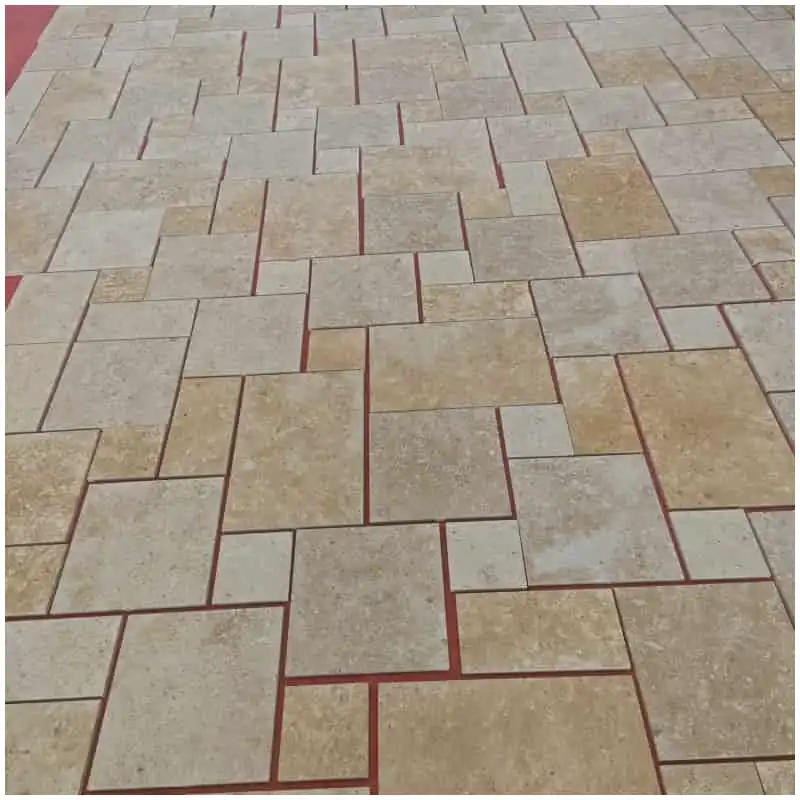
French Brown Sand Limestone
Warm brown-beige limestone for wall cladding, floors, stairs, exterior elevations, landscaping details, and neutral architectural stone packages.
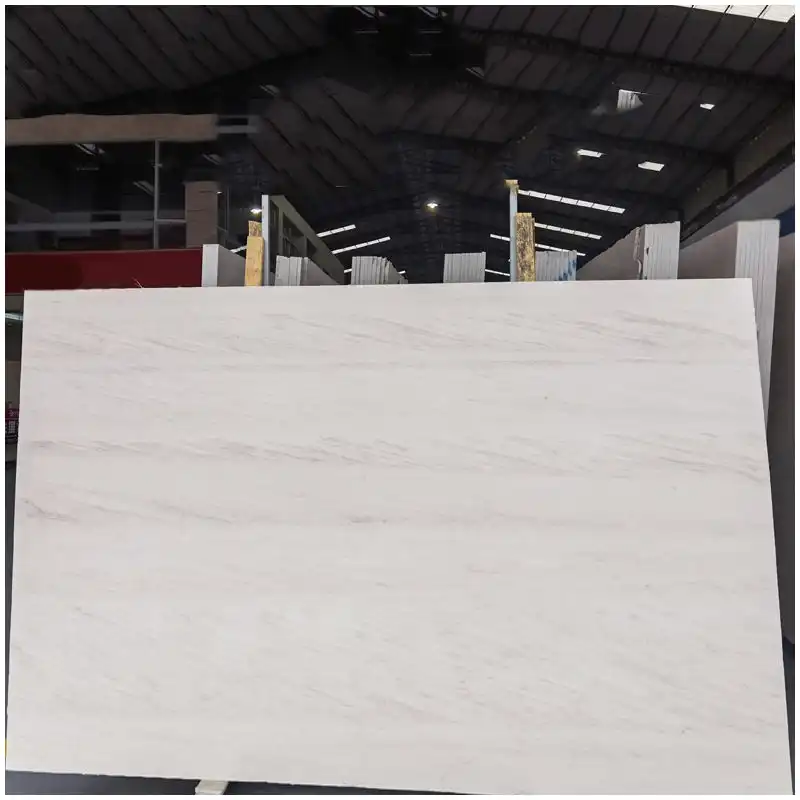
Calcar de cremă Moca
Portuguese beige limestone in slab format for façades, walls, floors, stairs, sills, bathrooms, and large cut-to-size architectural work.
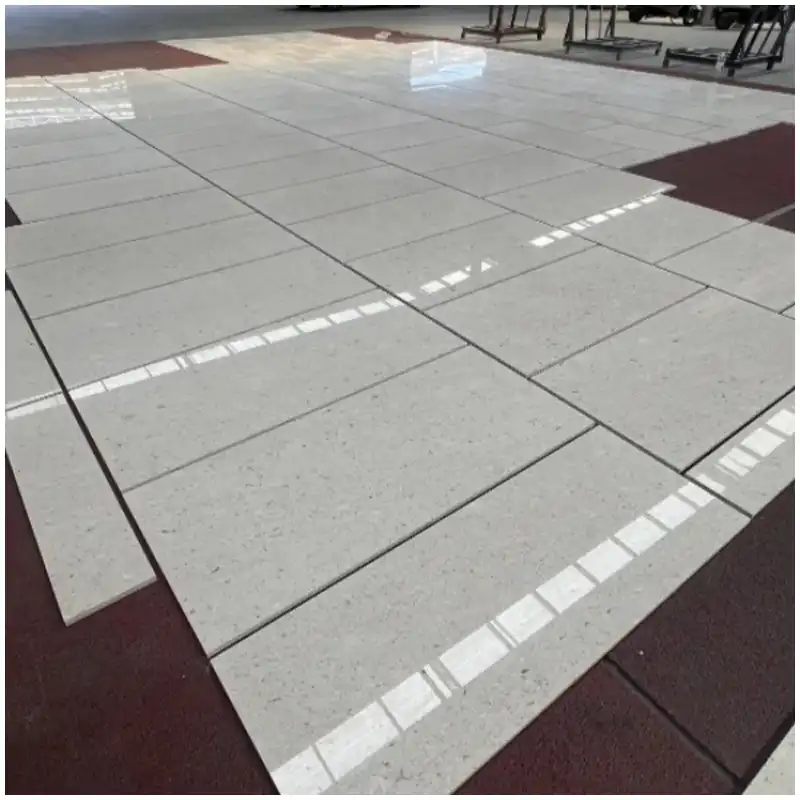
Plano Limestone Tiles
Light cream limestone tiles with subtle fossil character for resort floors, villa walls, patios, stairs, pool details, and Mediterranean-style projects.

Cărămizi din calcar splitface
Textured limestone wall tiles for feature elevations, landscape walls, villa exteriors, fireplaces, columns, and natural splitface architectural surfaces.
Request Moca Creme Limestone Tile Photos, Finish Options, and Project Quotation
Send the project information that defines the finished Moca Creme package so the material selection, vein direction, fabrication, and quotation can match the actual wall, floor, façade, stair, sill, pool, bathroom, or landscape application.
- Application and finished-piece dimensions
- Thickness, finish, and preferred grain character
- Vein direction, wall elevations, floor layout, façade fixing details, corners, returns, stairs, and slip requirements
- Need for dry-lay review, current-batch testing, inspection photos, piece labels, packing sequence, destination, and project schedule
| Request Moca Creme Limestone Quote | View Limestone Collection |