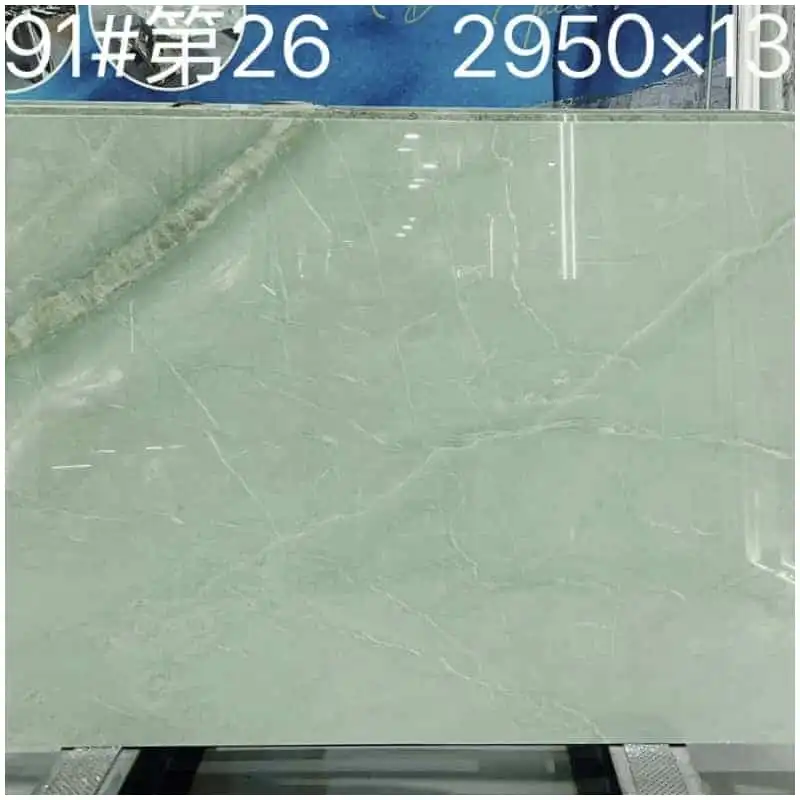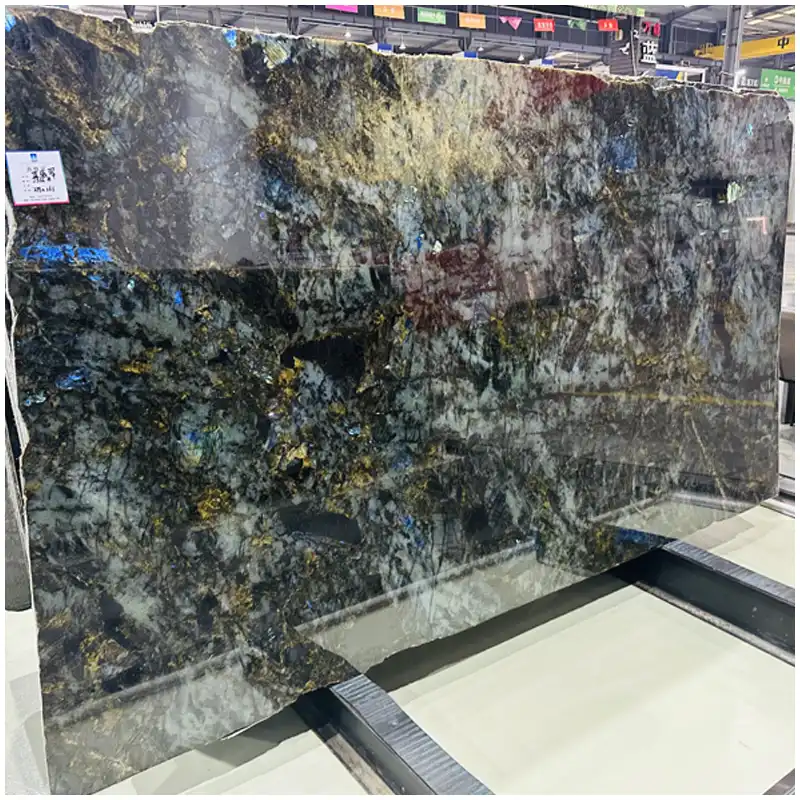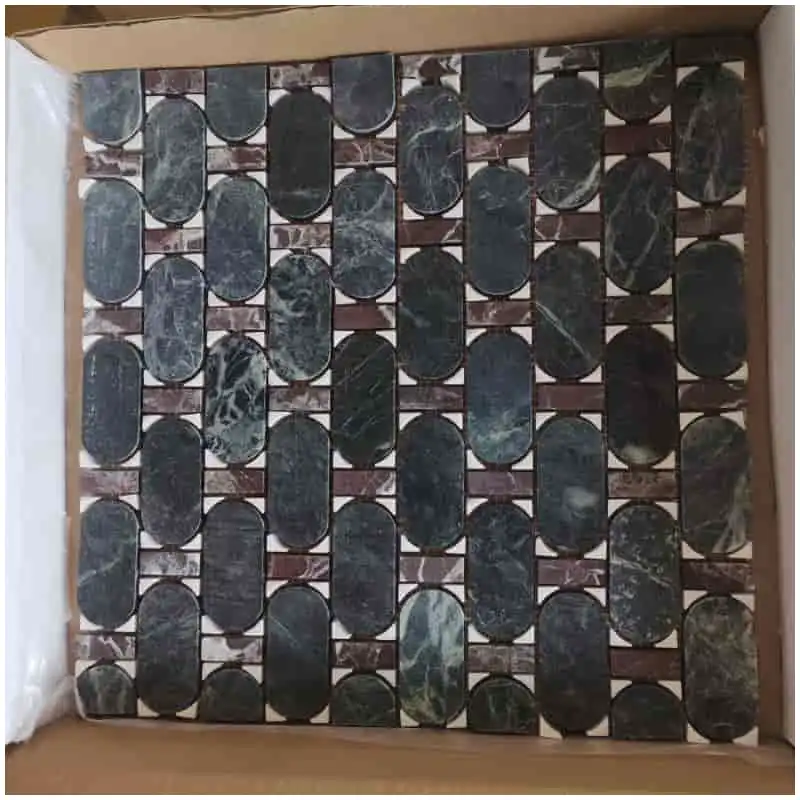
Quick Summary:Granite Stone is one of the most practical natural stones for modern homes because it combines hardness, heat resistance, weather resistance, natural texture, and long-term durability. The best residential applications include kitchen countertops, bathroom vanities, flooring, wall cladding, outdoor paving, stairs, and fireplace surrounds, but buyers still need to choose the right finish, thickness, slab batch, sealing plan, and supplier.
A modern home is not gentle with surfaces. The kitchen island faces hot pans, coffee spills, chopping boards, and family traffic. The bathroom deals with moisture, cosmetics, and daily cleaning. The entrance floor receives shoes, dust, luggage, and pets. The feature wall needs to look premium without demanding constant attention. The outdoor patio faces sunlight, rain, temperature change, and foot traffic. In this kind of real home, Piatră de granit is not just a decorative material; it is a performance decision.
Granite has remained popular in residential design because it offers a rare balance: natural stone beauty with practical strength. It is harder and more wear-resistant than many softer decorative stones, suitable for both indoor and outdoor use when properly selected, and available in colors ranging from deep black and silver grey to warm beige, white, yellow, red, green, and blue-toned varieties. Unlike printed surfaces, every slab carries natural mineral character. The result feels solid, permanent, and authentic—three words homeowners love and cheap materials fear.
For buyers who want to compare residential stone options by material family, the Piatră de granit category provides a useful starting point for reviewing different granite colors, finishes, and application possibilities for modern homes.
This guide explains the top five applications of Granite Stone in modern homes: kitchen countertops, bathroom vanities, high-traffic flooring, wall cladding and feature walls, and outdoor living areas including stairs and fireplaces. It also covers material parameters, design trends, common buyer mistakes, supplier selection, FAQs, and practical decision logic for homeowners, designers, contractors, fabricators, and stone importers.
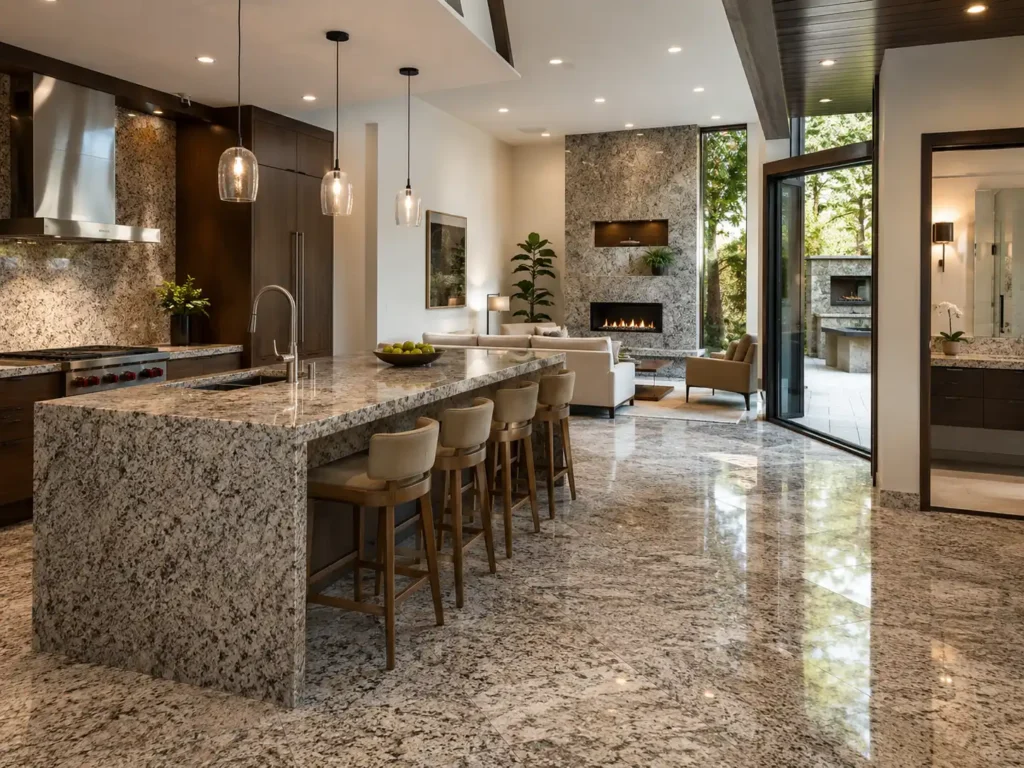
What Makes Granite Stone Suitable for Modern Residential Design?
Granite Stone Combines Strength and Natural Beauty
Granite is an igneous natural stone formed under intense heat and pressure. Its mineral composition usually includes quartz, feldspar, mica, and other natural minerals, which contribute to its dense crystalline texture and strong surface performance. In residential applications, this matters because the material must not only look attractive on installation day; it must continue performing after years of cooking, cleaning, walking, moving furniture, and daily living.
Piatră de granit naturală can show subtle speckles, cloud-like mineral movement, dramatic veins, or uniform patterns depending on the quarry and variety. This makes it flexible for different design styles. A black granite countertop can feel dramatic and modern. A white granite island can brighten a kitchen. A grey granite floor can create calm sophistication. A yellow-toned granite can introduce warmth into outdoor spaces and traditional homes.
Why Granite Works Better Than Many Decorative Materials
Granite is often chosen because it handles real-life use better than many purely decorative materials. It is typically more scratch-resistant than softer stones, more heat-resistant than many engineered decorative surfaces, and more suitable for outdoor use than materials that fade, warp, or deteriorate under weather exposure. This does not mean granite is maintenance-free. It still needs correct installation, sealing when appropriate, and finish selection. But compared with delicate materials, it behaves like a grown-up.
For projects requiring larger slab formats, buyers can review granite stone slabs to compare options suitable for countertops, kitchen islands, feature walls, vanity tops, and custom residential fabrication.
Granite Stone vs Marble vs Quartz
Granite, marble, and quartz are often compared in modern homes. Marble offers elegant veining and luxury appeal, but it is generally softer and more sensitive to acidic substances. Quartz provides consistency and easier daily maintenance, but it lacks the same natural geological uniqueness as real stone. Granite sits between these two worlds: durable, natural, visually diverse, and practical for high-use areas.
| Material | Main Strength | Cel mai bun utilizare | Buyer Consideration |
|---|---|---|---|
| Piatră de granit | Hard, durable, heat-resistant | Kitchens, floors, outdoor areas | Needs slab selection and sealing plan |
| Marmură | Elegant, veined, luxurious | Bathrooms, walls, feature areas | More sensitive to acids and etching |
| Cuarț | Consistent, low-maintenance | Kitchens, commercial surfaces | Less natural uniqueness |
| Porțelan | Thin, modern, stain-resistant | Walls, floors, furniture | Edge and fabrication need care |
Application 1: Granite Stone Kitchen Countertops
Why Kitchens Are the Most Popular Granite Application
The kitchen is the most common place to use granite stone countertops because it is one of the hardest-working surfaces in the home. Countertops face heat, water, oil, sauces, utensils, small appliances, heavy cookware, and constant cleaning. Granite is well suited for this environment because it offers hardness, heat resistance, long service life, and natural stone character.
Granite works well for countertops, kitchen islands, backsplashes, waterfall edges, breakfast bars, and custom prep areas. It can make a kitchen feel more permanent and higher value, especially when the slab color is matched with cabinetry, flooring, lighting, and appliance finishes.
Best Granite Colors for Modern Kitchens
Black granite creates sharp contrast and luxury, especially with white cabinets, walnut cabinets, brushed brass, or stainless steel appliances. White granite brightens kitchens while offering more durability than many softer white stones. Grey granite fits minimalist interiors and modern apartments. Beige and brown granite create a warmer family-home atmosphere. Blue, green, or yellow-toned granite can work as a statement island when the design needs stronger personality.
For warm-toned residential and outdoor projects, Granit chrysanth galben can be considered when buyers want a natural stone surface with golden-yellow warmth, durability, and strong visual presence.
Finish and Edge Recommendations
A polished finish is common for kitchens because it enhances color depth and is easier to clean. A honed finish creates a softer matte look, but it may show oil marks or fingerprints more easily depending on the stone. A leathered finish adds texture and works especially well with darker granite. For edge profiles, eased edges are clean and modern, beveled edges feel crisp, bullnose edges feel softer, and waterfall edges create a premium architectural effect.
Buyer Risks in Kitchen Applications
Buyers should avoid choosing granite from small samples only. A small sample cannot show full slab movement, mineral distribution, or color variation. Seam placement, sink cutout support, edge profile, slab thickness, and sealing should be confirmed before fabrication. In large islands, poor seam planning can ruin the design faster than bad lighting ruins a selfie.
| Kitchen Element | Granite Recommendation | Buyer Check |
|---|---|---|
| Blaturi | Polished or leathered granite | Slab pattern, sealing, seam placement |
| Kitchen Island | Large-format granite slab | Vein direction and edge profile |
| Backsplash | Matching or contrast granite | Thickness and installation method |
| Waterfall Edge | Dramatic slab continuation | Precizia fabricării |
| Sink Area | Strong cutout support | Reinforcement and sealing |
Application 2: Granite Stone Bathroom Vanities and Wet Areas
Why Granite Works in Bathrooms
Bathrooms need materials that can handle moisture, cosmetics, water splashes, soap, cleaning routines, and daily use. Granite works well for vanity tops, wall panels, shower thresholds, bathtub surrounds, niche shelves, and decorative panels. Compared with marble, granite is generally less sensitive to acids and daily wear, making it practical for homeowners who want natural stone beauty without excessive delicacy.
That said, sealing still matters. Wet areas need proper sealing, drainage, ventilation, and installation. A beautiful vanity top will not perform well if water sits around sink cutouts or poorly sealed edges for long periods.
Best Bathroom Design Styles with Granite
Black granite vanity tops look dramatic with brass fittings and warm lighting. White granite works well in spa-style bathrooms, especially with light wood and cream tiles. Grey granite suits minimalist bathrooms with matte black hardware. Beige granite feels warm and residential. Leathered granite adds tactile depth for luxury bathrooms and powder rooms.
Practical Bathroom Considerations
For bathroom floors, polished granite may be slippery when wet, so honed, textured, or anti-slip finishes should be considered. For vanity tops, edge finishing, sink cutout support, faucet hole accuracy, and backsplash design should be confirmed before fabrication. For shower areas, installation method and water management are just as important as stone selection.
Buyer Decision Logic
If the bathroom needs durability and daily practicality, choose granite vanity tops. If the shower floor needs slip resistance, use textured or anti-slip finishes. If the space is small, choose lighter granite colors. If the design needs drama, choose dark granite feature panels and balance them with warm lighting.
Application 3: Granite Stone Flooring for High-Traffic Areas
Why Granite Flooring Handles Daily Wear
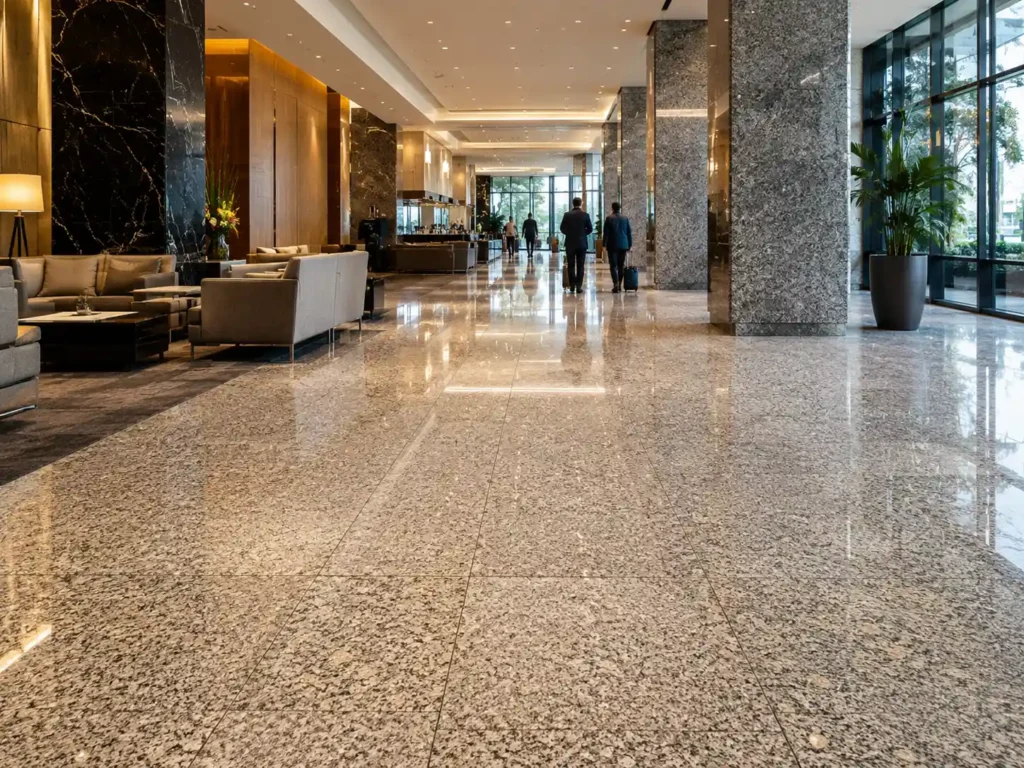
Granite stone flooring is a strong choice for entrance halls, hallways, living rooms, kitchens, stair landings, and residential common areas. These spaces receive foot traffic, dust, luggage wheels, furniture movement, pets, and daily cleaning. Granite’s hardness and density make it suitable for long-term floor performance when properly installed.
For projects using modular formats rather than slabs, granite tiles can be suitable for flooring, wall surfaces, stair areas, bathrooms, and other residential applications where consistent sizing and easier installation are important.
Finish Options for Flooring
Polished granite flooring creates a luxurious and reflective look, but it may become slippery in wet areas. Honed granite provides a softer matte finish and works well for modern interiors. Flamed granite has a rough texture and is commonly used outdoors or in slip-prone areas. Bush-hammered granite creates strong texture for safety. Leathered granite creates a premium tactile surface suitable for certain indoor designs.
Granite Flooring vs Ceramic Tile
Ceramic tile is often consistent, practical, and budget-friendly. Granite flooring offers natural stone value, stronger material identity, and long-term durability. For high-end homes, villas, and luxury apartments, granite can create a more premium impression. However, granite requires proper installation, thickness planning, batch selection, and sometimes sealing.
| Flooring Area | Acabare recomandată | De ce funcționează |
|---|---|---|
| Entrance Hall | Honed / polished | Durable and premium |
| Living Room | Polished / honed | Elegant natural surface |
| Bathroom Floor | Honed / textured | Better slip consideration |
| Outdoor Patio | Flamed / bush-hammered | Slip-resistant and weather-ready |
| Scări | Honed / flamed edge | Safety and durability |
Application 4: Granite Stone Wall Cladding and Feature Walls
Granite as a Modern Feature Wall Material
Granite stone wall cladding is used for TV walls, fireplace surrounds, staircase walls, elevator surrounds, entrance walls, and living room backdrops. It adds texture, depth, and permanence. Unlike paint or wallpaper, granite does not feel temporary. Large slabs create a premium seamless appearance, while textured granite panels can create a more architectural surface.
Why Granite Feature Walls Work in Modern Homes
Granite feature walls work because they give modern interiors a strong material anchor. A dark granite fireplace wall can create luxury drama. A light granite TV wall can feel clean and elegant. Textured granite can make a minimalist room feel warmer and more tactile. It also pairs well with wood, metal, glass, warm lighting, and neutral furniture.
Installation Considerations
Wall cladding requires planning because granite is heavy. Buyers should confirm wall structure, slab weight, dry hanging or adhesive method, seam placement, anchoring, lighting design, and surface finish. If the wall is a focal point, large slabs are usually better. If the wall needs texture, leathered, flamed, split-face, or bush-hammered granite may be considered.
Buyer Decision Logic
If the wall is a focal point, use large slabs. If the room is small, use lighter granite with subtle pattern. If the space is high-end, coordinate lighting and seam planning. If the design needs texture, choose a tactile finish rather than a highly polished surface.
Application 5: Granite Stone Outdoor Living, Stairs, and Fireplaces
Outdoor Patios and Garden Paving
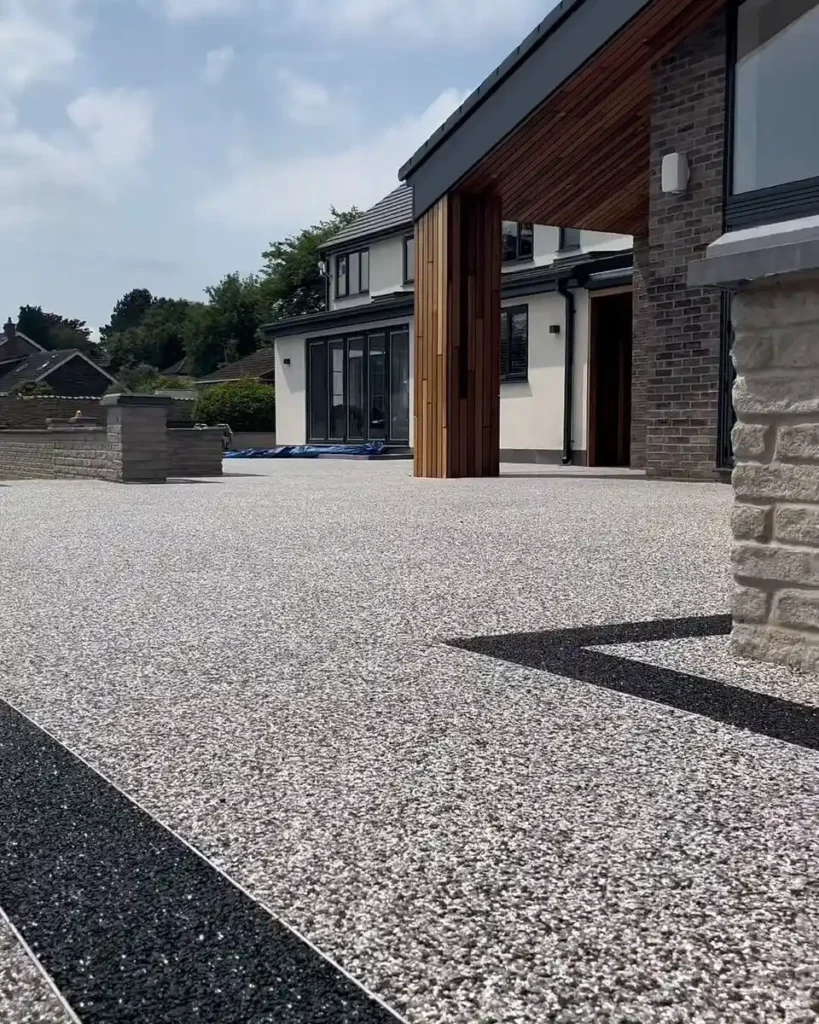
Granite is one of the strongest natural stones for outdoor living areas. It can be used for patios, walkways, garden paths, pool surrounds, terraces, courtyards, and exterior paving. Its weather resistance and hardness make it suitable for outdoor exposure when the correct stone, thickness, finish, and installation base are selected.
Outdoor areas should usually avoid highly polished finishes because of slip risk. Flamed, bush-hammered, sandblasted, or textured finishes are often more practical. Drainage and base preparation are also critical. A beautiful outdoor granite patio will not perform well if water collects under the stone or the foundation moves.
Granite Stairs and Steps
Granite is widely used for indoor and outdoor stairs because it offers strength, wear resistance, and stable appearance. Stair treads require correct thickness, edge treatment, slip resistance, and support. For outdoor stairs, flamed or textured surfaces can improve safety. For indoor luxury stairs, honed or polished surfaces may be selected depending on traffic and design style.
Granite Fireplace Surrounds
Granite fireplace surrounds are popular because granite handles heat better than many decorative materials and creates a strong architectural feature. Dark granite creates modern drama, while light granite offers softer elegance. For fireplace walls, slab size, seam planning, heat exposure, installation method, and surrounding materials should all be reviewed.
Outdoor Kerbstone and Hardscape Extensions
Granite is also used beyond interior home surfaces. For exterior residential and landscape projects, piatra de bordură din granit can support driveways, garden edging, pathways, road edges, and outdoor hardscape design where strength and weather resistance matter.
| Outdoor Application | Recommended Granite Finish | Buyer Check |
|---|---|---|
| Patio | Flamed / bush-hammered | Slip resistance and drainage |
| Garden Path | Textured granite | Thickness and base preparation |
| Pool Surround | Anti-slip finish | Water resistance and safety |
| Outdoor Stairs | Flamed edge / honed top | Slip control and edge profile |
| Fireplace | Polished / honed | Heat exposure and installation |
Material Parameters Buyers Should Check Before Ordering Granite Stone
Slab Size and Thickness
Common granite thickness options may include 18 mm, 20 mm, 30 mm, or project-specific sizes depending on the application and market. Countertops often need thicker slabs or strong substrate support. Flooring thickness depends on installation method and traffic. Wall cladding may require lighter thickness or mechanical anchoring. Outdoor applications may require thicker stone and stronger base preparation.
Finish Selection
Polished granite is reflective and enhances color. Honed granite is matte and more understated. Leathered granite adds texture and works well for darker stones. Flamed granite is practical outdoors because it improves slip resistance. Bush-hammered granite creates a rough, durable texture suitable for exterior areas. The finish should match the application, not just the showroom display.
Water Absorption and Sealing
Granite is generally less porous than many softer stones, but sealing is still recommended in kitchens, bathrooms, and stain-prone areas. Sealing helps reduce stain absorption and makes cleaning easier. Different granite varieties may have different absorption behavior, so buyers should ask for material information when available.
Color and Batch Consistency
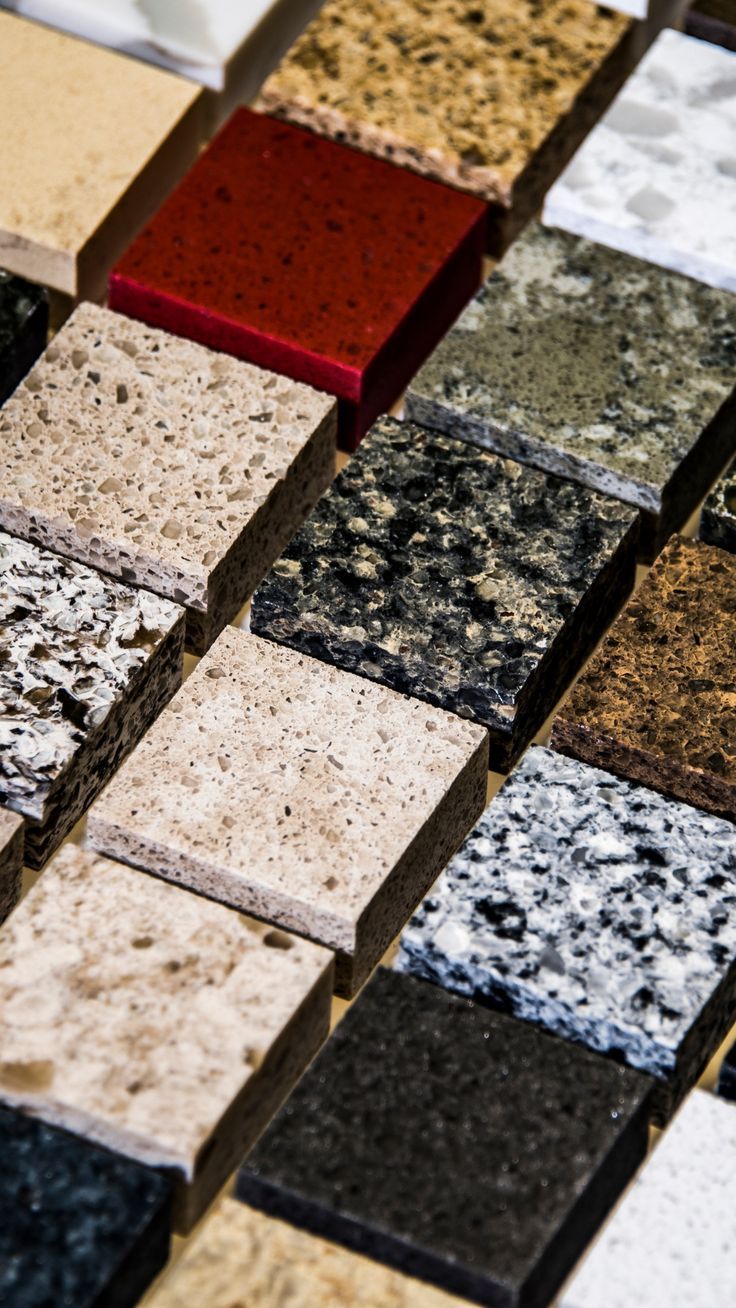
Granite is natural, so color and pattern can vary between slabs and batches. For large projects, buyers should reserve enough material from the same batch. For countertops and feature walls, full slab approval is better than relying on small samples.
| Parametru | Why It Matters | Buyer Check |
|---|---|---|
| Grosime | Strength and installation method | 18/20/30 mm or project requirement |
| Finisaj | Controls appearance and safety | Match indoor/outdoor use |
| Absorbția apei | Affects stain resistance | Ask for material data if available |
| Compressive Strength | Important for load-bearing areas | Relevant for stairs and floors |
| Slip Resistance | Important for floors and outdoors | Choose textured finish |
| Batch Consistency | Prevents color mismatch | Select same batch when possible |
Granite Stone in Modern Design Trends
Large-Format Slabs
Large-format granite slabs are popular for kitchen islands, shower walls, fireplace surrounds, and feature walls because they reduce seams and create a cleaner modern appearance. However, large slabs require stronger handling, better fabrication planning, and skilled installation.
Dark Granite for Luxury Minimalism
Black and dark grey granite are popular in luxury minimalist interiors. They pair well with walnut wood, brushed brass, matte black hardware, warm lighting, and clean cabinetry. The risk is heaviness. In smaller rooms, dark granite should be balanced with lighter walls, reflective surfaces, or warm lighting.
Light Granite for Soft Modern Homes
White, cream, and light grey granite brighten interiors and work well in apartments, kitchens, and bathrooms. They are easier to pair with neutral cabinetry and soft modern palettes. Buyers should still check stain resistance, sealing needs, and batch consistency.
Textured Granite for Indoor-Outdoor Continuity
Leathered, flamed, brushed, and bush-hammered finishes help connect indoor and outdoor design. A modern home can use polished or honed granite inside and textured granite outside to create material continuity without compromising safety.
Common Buyer Mistakes When Choosing Granite Stone
Choosing Only by Small Sample
Small samples cannot show the full slab pattern, mineral variation, or movement. For countertops, walls, and large floors, buyers should review full slab photos or videos before approval.
Using Polished Granite in Wet Outdoor Areas
Polished granite can be slippery outdoors or in wet areas. For patios, pool surrounds, garden paths, and exterior stairs, textured finishes are usually safer.
Ignoring Thickness and Support
Wrong thickness or poor support can cause cracking, weak edges, or installation problems. Countertops, stairs, flooring, and wall cladding each require different structural planning.
Not Planning Seams
Seams affect visual quality. Kitchen islands, walls, and floors should be planned carefully to avoid awkward pattern breaks.
Forgetting Sealing and Maintenance
Granite is durable, but not magical. Sealing helps reduce stains, especially in kitchens and bathrooms. Poor maintenance can still cause surface issues.
Buying Mixed Batches for Large Projects
Mixed batches may create visible color differences. For large flooring, stair, or wall projects, batch control is essential.
How to Choose a Granite Stone Supplier
What a Reliable Supplier Should Provide
A reliable granite stone supplier should provide full slab photos, slab videos, available quantity, batch information, thickness options, finish options, fabrication support, edge profile options, project cutting service, packing photos, quality inspection, export experience, custom sizes, installation advice, and after-sales communication.
For supplier background, production capability, and stone project experience, buyers can review the granite stone manufacturer page before starting deeper procurement discussions.
For custom sizes, project quotations, slab selection, export packing, or residential stone sourcing support, buyers can contact a granite supplier with drawings, material preferences, finish requirements, quantity, thickness, and delivery schedule.
| Evaluation Factor | Greutate | What to Check |
|---|---|---|
| Slab Selection | 20% | Full slab photos and videos |
| Batch Consistency | 15% | Same batch for large projects |
| Finish Options | 15% | Polished, honed, flamed, leathered |
| Fabrication Capability | 15% | Cutting, edge, sink holes, stairs |
| QC Process | 10% | Inspection photos and approval |
| Packing Quality | 10% | Reinforced export packaging |
Practical Recommendation: How to Choose Granite Stone by Application
Choose Granite Countertops If
Choose granite countertops if the kitchen needs heat resistance, daily durability, natural pattern, and long-term value. Use polished or leathered finishes based on design style, and confirm sealing, slab selection, sink support, and seam placement before fabrication.
Choose Granite Bathroom Tops If
Choose granite bathroom tops if the bathroom needs moisture resistance, durability, and a natural stone surface stronger than many softer materials. Lighter colors work well in small bathrooms, while dark granite creates dramatic vanity zones.
Choose Granite Flooring If
Choose granite flooring if foot traffic is high, durability matters, and the project needs natural stone value. Use polished or honed finishes indoors, and textured finishes in wet or outdoor zones.
Choose Granite Wall Cladding If
Choose granite wall cladding if the room needs architectural texture, a long-lasting feature wall, or a premium fireplace surround. Large slabs suit high-end spaces, while textured panels add tactile depth.
Choose Granite Outdoor Stone If
Choose granite outdoor stone if the project needs weather resistance for paving, stairs, pool areas, garden paths, or exterior walls. Use flamed, bush-hammered, or other slip-resistant finishes, and plan drainage carefully.
Final Recommendation: Granite Stone Works Best When Beauty Meets Use Logic
Granite Stone remains one of the strongest choices for modern homes because it performs across kitchens, bathrooms, flooring, wall cladding, outdoor spaces, stairs, and fireplaces. It offers natural beauty, durability, heat resistance, weather resistance, and long-term value. But the best result depends on correct application planning.
If the project is a kitchen, prioritize slab pattern, sealing, and edge support. If it is a bathroom, consider moisture and slip resistance. If it is flooring, choose the finish based on traffic and safety. If it is outdoor paving or stairs, avoid polished surfaces and plan drainage. If it is a feature wall, use large slabs and control seam placement. Granite is strong, but smart selection makes it stronger. That is where good design stops guessing and starts lasting.
FAQ About Granite Stone in Modern Homes
1. What is Granite Stone used for in homes?
Granite Stone is used for kitchen countertops, bathroom vanity tops, flooring, wall cladding, fireplace surrounds, stairs, outdoor paving, patios, garden paths, pool surrounds, and exterior hardscape areas. It is popular in modern homes because it offers natural beauty, hardness, heat resistance, wear resistance, and outdoor durability. The best application depends on the chosen finish, thickness, color, installation method, and maintenance plan.
2. Is Granite Stone good for kitchen countertops?
Yes, Granite Stone is very suitable for kitchen countertops because it is hard, heat-resistant, durable, and naturally attractive. It can handle daily cooking activity better than many softer stones. However, buyers should still choose the right slab, confirm thickness, plan seam placement, support sink cutouts properly, and seal the surface when needed. Polished and leathered finishes are common choices for modern granite kitchen countertops.
3. Is Granite Stone better than marble?
Granite Stone is generally harder and more scratch-resistant than marble, making it better for high-use areas such as kitchens, flooring, stairs, and outdoor spaces. Marble is often chosen for elegant veining and softer luxury, especially in bathrooms and feature walls, but it is more sensitive to acids and etching. The better choice depends on the application: choose granite for durability and daily use, and choose marble when soft elegance and dramatic veining are the main priorities.
4. Can Granite Stone be used in bathrooms?
Yes, Granite Stone can be used in bathrooms for vanity tops, wall panels, shower thresholds, bathtub surrounds, niche shelves, and selected flooring areas. It offers moisture resistance and durability when properly sealed and installed. For bathroom floors or wet zones, buyers should avoid overly slippery polished finishes and consider honed or textured surfaces. Good drainage, ventilation, sealing, and edge finishing are important for long-term performance.
5. Is Granite Stone suitable for outdoor use?
Yes, Granite Stone is suitable for outdoor use because it is hard, durable, and weather-resistant when properly selected and installed. It can be used for patios, garden paths, outdoor stairs, pool surrounds, driveways, kerbstones, and exterior wall cladding. For outdoor areas, textured finishes such as flamed, bush-hammered, or sandblasted granite are usually better than polished surfaces because they improve slip resistance. Drainage, base preparation, thickness, and local climate should also be considered.
References
1. Dimension Stone Design Manual, Natural Stone Institute, Technical Design Resource.
2. Stone in Architecture: Properties, Durability, Siegfried Siegesmund and Rolf Snethlage, Springer.
3. Natural Stone: A Guide to Selection, Michael S. Lewis, Architectural Stone Reference.
4. Interior Design Materials and Specifications, Lisa Godsey, Fairchild Books.
5. The Interior Design Reference and Specification Book, Chris Grimley and Mimi Love, Rockport Publishers.
6. Marble and Natural Stone Maintenance Guide, Natural Stone Institute, Care and Maintenance Resource.
7. Architectural Graphic Standards, American Institute of Architects, Wiley.
8. Building Construction Illustrated, Francis D.K. Ching, Wiley.
Strategic Insight: How Buyers Should Choose Granite Stone for Modern Homes
What makes Granite Stone practical for homes? Granite Stone combines natural beauty, hardness, heat resistance, weather resistance, and strong wear performance. It is suitable for kitchens, bathrooms, floors, walls, stairs, fireplaces, and outdoor living areas when the right finish and thickness are selected.
Why does application planning matter? Each home area creates different performance demands. Kitchens need heat and stain resistance. Bathrooms need moisture planning. Floors need wear and slip consideration. Outdoor spaces need weather resistance, drainage, and textured finishes. Feature walls need seam planning and slab pattern control.
How should buyers choose the right option? If the project needs a kitchen countertop, choose polished or leathered granite with proper sealing. If the project needs outdoor paving, choose flamed or bush-hammered granite. If the space is small, choose lighter granite. If the home is high-end, use large slabs, fewer seams, and same-batch material.
What risks should buyers avoid? Avoid choosing only by small samples, using polished granite in wet outdoor areas, ignoring slab thickness, skipping seam planning, forgetting sealing, and buying mixed batches for large projects. These mistakes can cause visual mismatch, safety issues, staining, cracking, or poor installation quality.
Buyer consideration: A reliable granite supplier should provide full slab photos, slab videos, batch information, thickness and finish options, fabrication support, inspection photos, reinforced export packing, custom sizing, and clear project communication. The best granite choice is not just the strongest stone; it is the stone matched correctly to the space.