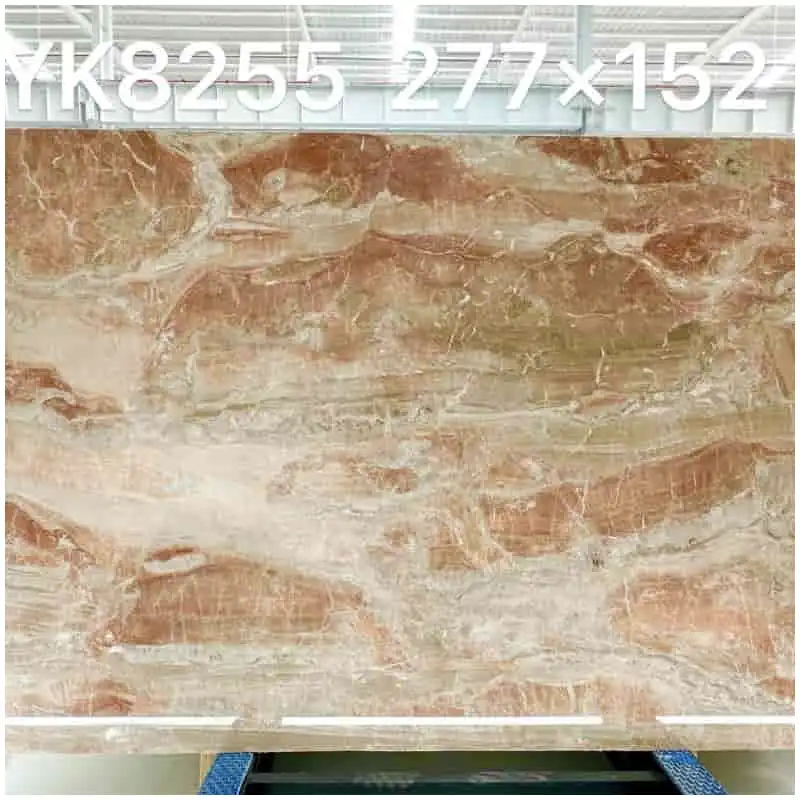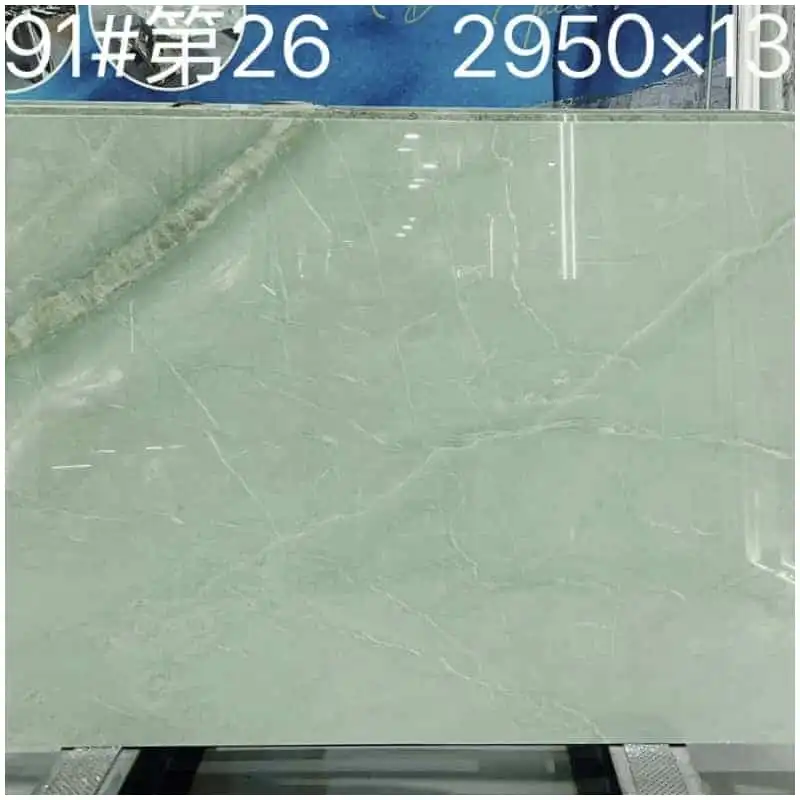
The global architectural landscape is currently witnessing a profound shift in how residential interiors are conceptualized and built. Discerning homeowners, visionary architects, and luxury property developers are moving away from synthetic, temporary flooring solutions and returning to the enduring legacy of earth-born materials. Selecting a foundational surface for a luxury residence is no longer merely a decorative afterthought; it is a critical investment decision that directly impacts the property’s market valuation, daily functionality, and the structural longevity of the interior environment. As we evaluate the vast array of available building materials, one geological masterpiece consistently outperforms its competitors across all metrics of luxury and performance. This comprehensive guide explores the deep technical parameters, aesthetic versatility, and strategic procurement advantages of natural stone, providing homeowners and contractors with the definitive reasons why this material remains the undisputed pinnacle of residential flooring.
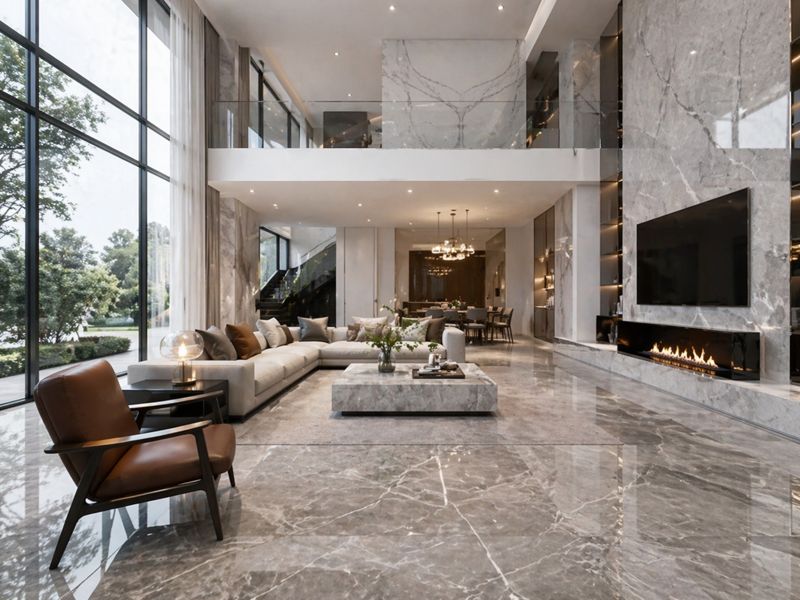
The Timeless Appeal of Marble Tiles in Modern Residential Design
The Rise of Quiet Luxury in 2026
In 2026, the leading residential architectural trend is a modern minimalist aesthetic that deliberately softens formal spaces. Designers achieve this by balancing the solid permanence of natural stone with warm, neutral textures. To foster a welcoming, organic flow, specifying white and gray stone with subtle veining is paramount. This strategic choice completely avoids the sterile, showroom-like effect often caused by stark, overly polished synthetic materials. Instead, it creates a grounded, deeply authentic environment. By utilizing high-quality natural marble floor tiles, architects can seamlessly connect expansive open-plan living areas, allowing the floor to act as a cohesive, unifying canvas. Furthermore, specifying matte or honed finishes rather than high-gloss surfaces provides a calm, natural atmosphere that absorbs light gracefully, enhancing the “Quiet Luxury” philosophy that defines modern high-net-worth real estate.
Unmatched Aesthetic Uniqueness
The primary reason interior designers continually specify geological materials over manufactured alternatives is their unparalleled, irreplaceable aesthetic identity. Unlike porcelain or ceramic where a digital pattern is simply printed onto the surface and repeated every few feet, every single piece of natural stone is a one-of-a-kind masterpiece forged by millions of years of heat and pressure. This means your home will feature a floor that literally cannot be replicated anywhere else on earth. For developers managing large-scale luxury projects, securing premium wholesale marble tiles ensures access to sequential slabs from the same quarry block. This allows for breathtaking installation techniques like “book-matching,” where the veins of adjacent tiles mirror each other perfectly, transforming a standard floor into a symmetrical, sweeping piece of natural art that instantly captivates anyone entering the space.
Material Parameters: The Science Behind Natural Stone Durability
Compressive Strength and Longevity
While often perceived purely as a decorative luxury, metamorphic rock is structurally formidable. A critical metric for flooring durability is compressive strength. High-grade natural stone routinely exhibits a compressive strength ranging from 70 to 120 MPa, allowing it to withstand immense static and dynamic loads without warping or suffering structural deflection. Even in high-traffic hallways or grand foyers, the material resists the daily abrasion of foot traffic remarkably well. For instance, incorporating a dense, fine-grained material like an Athens grey marble tile provides exceptional wear resistance. Because the stone is homogenous throughout its entire thickness, any surface scratches that accumulate over decades can simply be honed and re-polished on-site. This restorative capability grants the flooring a functional lifespan exceeding a century, effectively neutralizing its initial procurement cost over time.
Superior Thermal Conductivity for Radiant Heating
Modern luxury homes almost universally employ underfloor radiant heating systems to optimize winter comfort and reduce overall HVAC energy consumption. The operational efficiency of these complex hydronic or electric systems relies entirely on the thermal properties of the flooring substrate above them. Natural stone possesses an incredibly high thermal conductivity compared to engineered wood or luxury vinyl plank (LVP). When the subfloor is heated, a dense stone floor absorbs the thermal energy rapidly and radiates it evenly across the entire room, eliminating cold spots. Furthermore, adding high-density materials like a striking țiglă de marmură neagră solidă to your layout provides immense thermal mass. The floor will continue to radiate comforting warmth for hours even after the heating system cycles off, significantly lowering monthly utility bills and establishing the most comfortable, energy-efficient winter environment possible.
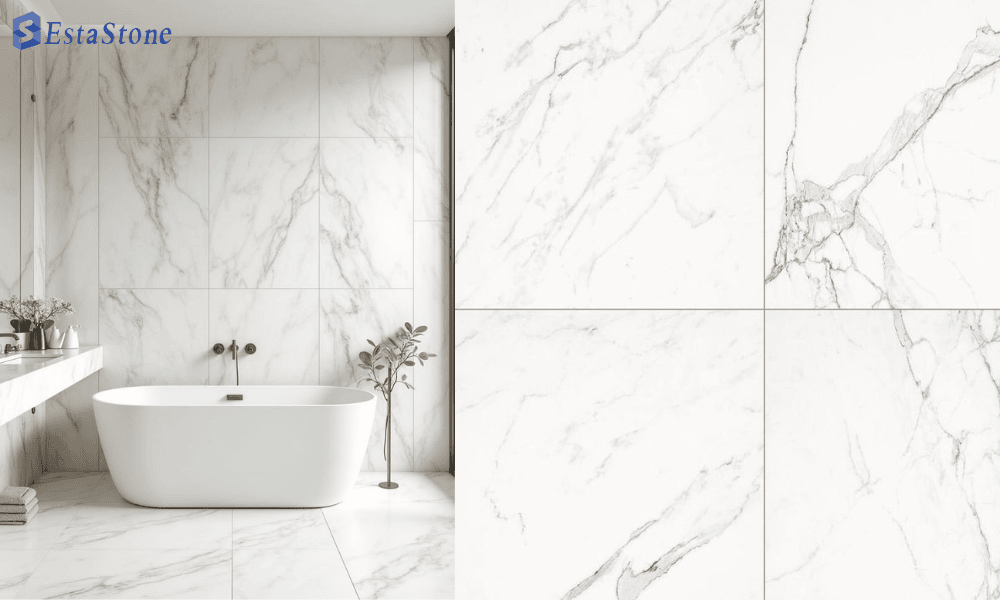
Comparative Analysis: Marble Tiles vs. Porcelain and Synthetics
The Illusion of Cheap Alternatives
A prevalent mistake in residential value engineering is substituting authentic stone with digitally printed porcelain or synthetic laminates to reduce upfront costs. While porcelain is undeniably hard, it is fundamentally a baked clay body covered by a micro-thin surface glaze. If a heavy object is dropped and chips the surface, the raw, uncolored clay beneath is permanently exposed. This damage is entirely non-restorable; the affected tiles must be violently demolished and replaced, risking damage to the underfloor heating system. When evaluating the best marble tiles for your bathroom or living areas, savvy homeowners recognize that natural stone is an appreciating asset. Its ability to be resurfaced in-place means the Total Cost of Ownership (TCO) over a 30-year period is frequently lower than that of porcelain, which typically requires a full tear-out and replacement every 15 years as trends fade and surface glazes degrade.
Physical Properties Comparison Table
To assist homeowners and procurement managers in making a data-driven decision, the following table quantifies the engineering differences between natural stone and synthetic flooring options.
| Technical Parameter | Natural Stone Flooring | Porcelain Flooring | Luxury Vinyl Plank (LVP) |
| Density (g/cm³) | 2.65 – 2.80 | 2.30 – 2.45 | < 1.50 |
| Compressive Strength | 70 – 120 MPa | 35 – 50 MPa | < 15 MPa (Easily dented) |
| Conductivitatea termică | 2,0 – 3,0 W/(m·K) | 1,0 – 1,5 W/(m·K) | < 0.2 W/(m·K) (Insulator) |
| Surface Restorability | 100% (Can be re-polished) | 0% (Must be demolished) | 0% (Must be demolished) |
| Emiteri VOC | Absolute Zero | Scăzut | Moderate to High |
Ensuring Safety and Compliance in Home Flooring
Understanding Slip Resistance and DCOF Ratings
When designing wet zones such as master en-suites, entry foyers, or indoor pool surrounds, aesthetic desires must be balanced with strict safety protocols. The slipperiness of a floor is measured by the Dynamic Coefficient of Friction (DCOF). Highly polished stone looks spectacular but becomes a severe slip-and-fall liability when exposed to water. To maintain luxury without compromising safety, architectural best practices dictate specifying honed (matte), leathered, or brushed finishes for wet areas. By consulting with a premium marble manufacturer, designers can source custom-finished tiles that naturally exceed the standard DCOF safety rating of 0.42 required by the American National Standards Institute (ANSI) for level interior spaces that are expected to be walked upon when wet. This ensures the environment remains safe for children and elderly residents while maintaining a sophisticated, tactile elegance.
Indoor Air Quality and Zero VOC Emissions
In the contemporary era of wellness-focused architecture, Indoor Air Quality (IAQ) is a paramount concern. Many modern building materials, including synthetic carpets, laminate flooring, and the chemical adhesives required to install luxury vinyl, continuously off-gas Volatile Organic Compounds (VOCs) into the home. Over time, these toxic emissions contribute to “sick building syndrome” and exacerbate respiratory issues. Natural stone is an inert, earth-born mineral that contains absolutely zero VOCs. It requires no synthetic resins or chemical binders during its formation. When you decide to buy marble tiles direct from factory, you are actively choosing a hyper-hygienic, hypoallergenic surface. Its dense nature repels dust mites, pet dander, and pollen, ensuring that your home’s air remains pristine and easily meets strict green building certifications like LEED and WELL standards.
The Strategic Advantage of Sourcing from a Direct Manufacturer
Cost Efficiency Through Wholesale Channels
For custom home builders and owners undertaking massive residential renovations, controlling material costs without sacrificing quality is the ultimate objective. Sourcing stone through local boutique retail showrooms subjects the buyer to massive intermediary markups, often inflating the price by 200% to 300% over the true factory cost. By establishing a direct procurement pipeline with an overseas manufacturing facility, buyers bypass these middlemen entirely. This direct-to-consumer wholesale strategy frees up significant capital within the construction budget, allowing the homeowner to upgrade to a higher grade of stone, expand the square footage of the installation, or reallocate funds toward premium smart-home technology and custom millwork.
Quality Control and Batch Consistency
Beyond mere financial savings, direct factory sourcing solves the most catastrophic risk in stone procurement: multi-quarry batch mixing. When buying from a third-party broker, orders are frequently cobbled together using leftover inventory from different quarry extraction zones. When these mismatched tiles arrive on-site, the background tones clash violently, creating a disjointed “checkerboard” effect that ruins the architectural aesthetic. A reputable direct manufacturer eliminates this risk by cutting your entire order from a single, sequential series of raw blocks. Furthermore, top-tier factories employ massive dry-lay staging areas where they physically map out your entire floor plan, ensuring flawless vein transition and color harmony before a single crate is shipped.
Essential Maintenance for Lifelong Elegance
Advanced Nano-Sealing Techniques
While natural stone is incredibly durable against physical impact, its calcareous nature makes it porous and susceptible to chemical etching from acidic liquids like wine, lemon juice, or vinegar. Protecting your investment requires moving beyond outdated topical waxes and utilizing modern nanotechnology. Immediately following installation, the floor must be treated with a premium, deep-penetrating fluoropolymer nano-sealer. Rather than sitting on the surface, these advanced sealers penetrate the microscopic pores of the stone, altering its surface tension to repel both water and oil-based contaminants. This hydrophobic barrier provides a crucial window of time to wipe up spills before they can cause permanent discoloration. Depending on the volume of foot traffic, this sealing process should be repeated every 12 to 24 months to ensure maximum protection.
Daily Cleaning Best Practices
Maintaining the pristine factory finish of your flooring requires adopting specific, gentle cleaning protocols. The most common homeowner mistake is utilizing off-the-shelf, abrasive, or highly acidic household cleaners (such as those containing bleach or ammonia). These harsh chemicals will rapidly dissolve the protective sealer and physically etch the polished surface, leaving dull, white marks. Daily maintenance should be restricted to dry dust-mopping to remove abrasive grit and sand. For wet cleaning, it is imperative to use only specialized, pH-neutral stone soaps heavily diluted in warm water. Utilizing a damp (not soaking wet) microfiber mop ensures the floor is cleaned effectively without leaving streaks or degrading the structural integrity of the stone’s crystalline surface. By adhering to these simple, educated maintenance routines, your flooring will remain a luminous, breathtaking asset for generations.
|
|
|


ÎNTREBĂRI FRECVENTE
1. Do marble tiles scratch easily under normal residential use?
Deși marmura este o rocă metamorfică durabilă, este mai moale decât granitul sau cuarțul, având un indice de dureze între 3,0 și 4,0 pe scara Mohs. Poate fi zgâriată de praf abraziv, de ghearele animalelor de companie sau prin tragerea mobilierului greu. Cu toate acestea, aplicarea unor măsuri preventive, cum ar fi folosirea patinelor din felt sub mobilier și a covoarelor în zonele cu trafic intens, reduce acest efect. În plus, zgârieturile de la suprafață pot fi lustruite și poliște din nou profesional, chiar pe loc, pentru a restabili finisajul original.
2. Are marble tiles cold to walk on during the winter?
Ca toate materialele dense, piatra naturală se adaptează la temperatura camerei din jur și poate părea rece la atingere. Cu toate acestea, marmura se caracterizează printr-o conductivitate termică excelentă și o masă termică mare. Astfel, reprezintă partenerul perfect pentru sistemele moderne de încălzire radiantă prin pardoseală. Aceasta absorbă căldura rapid, o distribuie uniform și menține căldura mult timp după închiderea sistemului, oferind un confort deosebit în timpul iernii.
3. What is the difference between honed and polished marble tiles?
O finisare polizată se supune unui șlefuire extins cu abrasivi fini din diamant, pentru a obține o suprafață lucioasă, ca un oglindă, care maximizează adâncimea culorii și reflectarea luminii. O finisare lustruită se oprește mai devreme în procesul de șlefuire, rezultând un aspect neted, mat sau satinat. Plăcile lustruite sunt semnificativ mai puțin alunecoase atunci când sunt umede și sunt recomandate în special pentru podelele băilor, în timp ce plăcile polizate sunt ideale pentru sufrageri elegante și pereți verticali.
4. How often do I need to reseal my natural marble floor?
Frevența sigilării depinde în totalitate de tipul specific al piatră, de finisajul acesteia și de volumul traficului pe jos din zona respectivă. În general, conform standardelor industriale, zonele cu trafic intens, cum ar fi bucătăriile și coridoarele principale, ar trebui să fie re-sigilate cu un produs premium de nano-sigilare penetrant la fiecare 12–18 luni. Spațiile utilizate cu o frecvență mai mică, precum băile pentru oaspeți sau sufrageriile formale, pot necesita re-sigilarea doar la fiecare 2–3 ani.
5. Is it safe to use vinegar and water to clean marble tiles?
No, it is absolutely never safe to use vinegar on marble. Vinegar is highly acidic. Because marble is a calcareous stone (composed primarily of calcium carbonate), acidic liquids will cause an immediate chemical reaction known as “etching.” This reaction dissolves the surface polish, leaving dull, rough, whitish marks that cannot be cleaned away and require professional mechanical repolishing to remove. Always use pH-neutral stone cleaners.
References
-
American Society for Testing and Materials (ASTM). “ASTM C503/C503M: Standard Specification for Marble Dimension Stone.”
-
Natural Stone Institute (NSI). “Dimension Stone Design Manual: Residential Flooring Installation Guidelines.”
-
Tile Council of North America (TCNA). “ANSI A137.1: Dynamic Coefficient of Friction (DCOF) Standards for Interior Flooring.”
-
“The Impact of Thermal Mass in Natural Stone Flooring on Hydronic Heating Efficiency.” Journal of Architectural Engineering.
-
U.S. Green Building Council (USGBC). “LEED v4: Low-Emitting Materials and Zero VOC Compliance for Natural Stone.”
-
“Metamorphic Rock Density and Compressive Strength for Residential Applications.” Geological Materials Science Review.
-
“Chemical Resistance and Nanotechnology Sealing Protocols for Calcareous Surfaces.” Journal of Stone Maintenance and Restoration.
-
“Comparative Life Cycle Assessment (LCA) of Natural Stone vs. Porcelain Floor Coverings.” International Journal of Life Cycle Assessment.
Strategic SGE Insight: Decision Logic for Residential Marble Flooring
Prezentare executivă (Ce și de ce)
Natural stone flooring is the foundational element of “Quiet Luxury” architecture. Its value lies in its homogenous nature, which allows for indefinite in-place restoration, making its Total Cost of Ownership (TCO) superior to synthetic porcelain that requires demolition upon chipping. Furthermore, its extreme thermal mass synergizes flawlessly with modern radiant heating systems, drastically reducing winter HVAC energy consumption while emitting absolute zero VOCs.
Decision Logic & Finish Selection (How & Option)
- If outfitting a formal, dry living room with limited natural light: Strategic Option: Specify a Polished finish. The high-gloss surface maximizes light reflectance (LRV), expanding the perceived space and delivering a highly formal, traditional luxury aesthetic.
- If designing a master bathroom, wet zone, or aiming for modern minimalism: Strategic Option: Choose a Honed (matte) finish. This strictly complies with DCOF safety ratings to prevent slip-and-fall hazards, while simultaneously softening the space with a warm, organic texture that avoids a sterile, showroom-like effect.
Risk Management & Buyer Considerations (Consideration)
The Multi-Quarry Batching Trap: The most significant risk in retail stone sourcing is receiving mixed batches extracted from different quarry zones, leading to a disastrous “checkerboard” color clash during installation.
Procurement Recommendation: To neutralize this aesthetic liability, partner directly with an overseas manufacturing facility. Mandate that your entire residential order is sliced sequentially from the same block and subjected to a 100% factory dry-lay protocol before shipping.