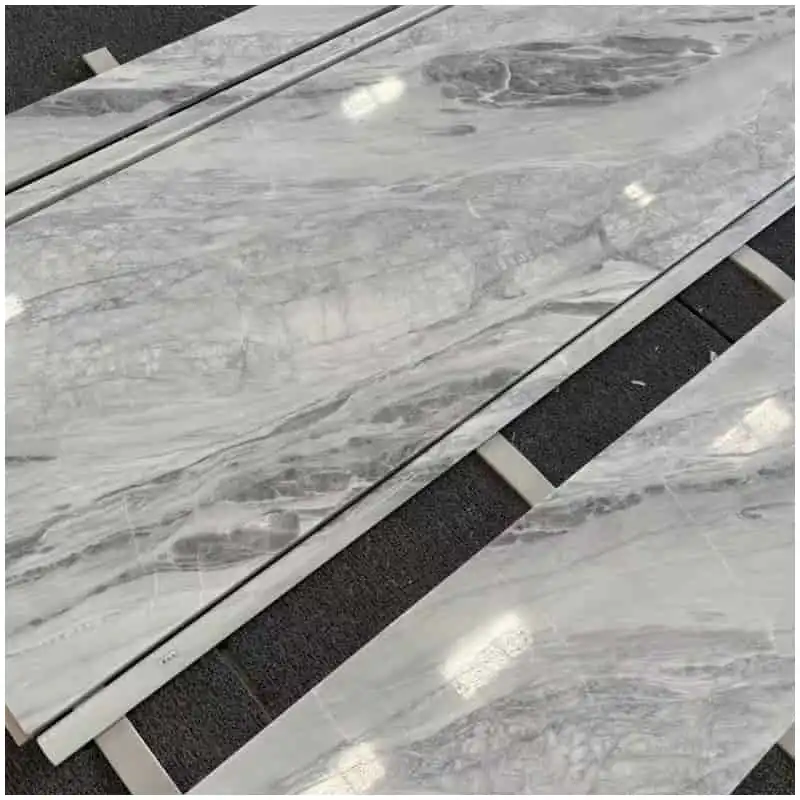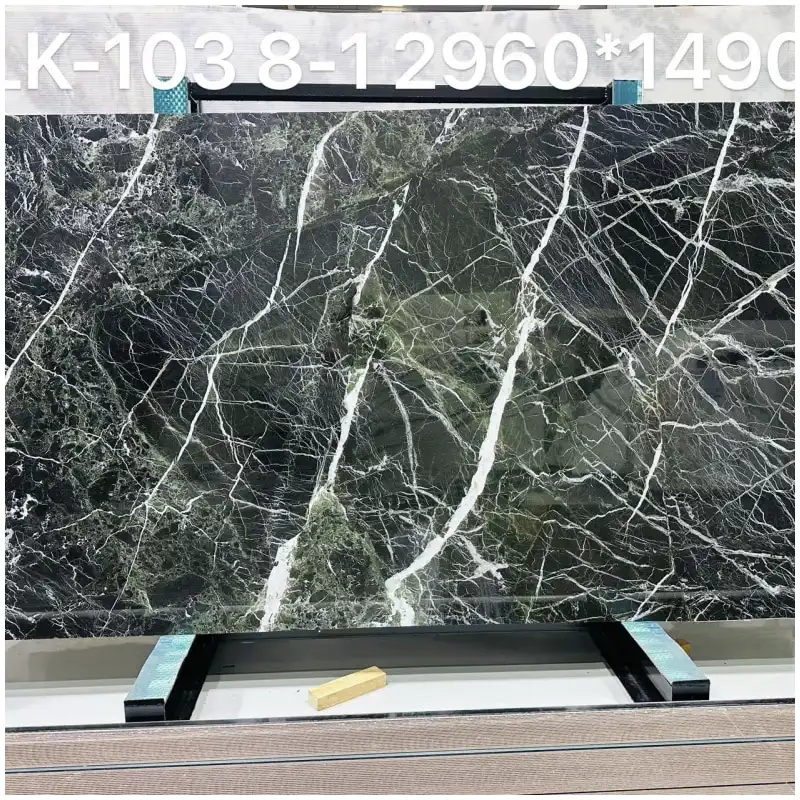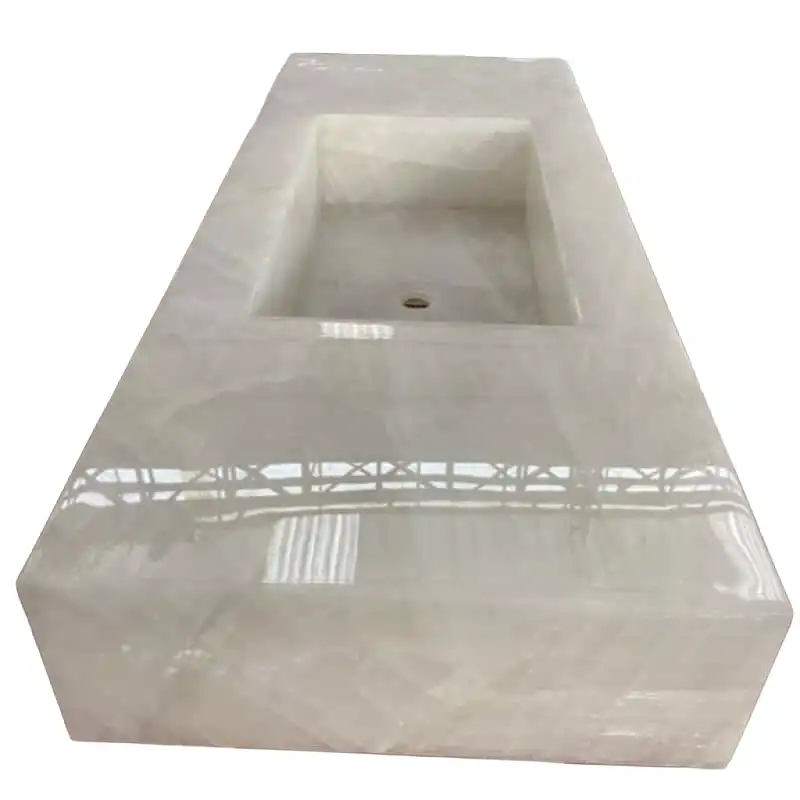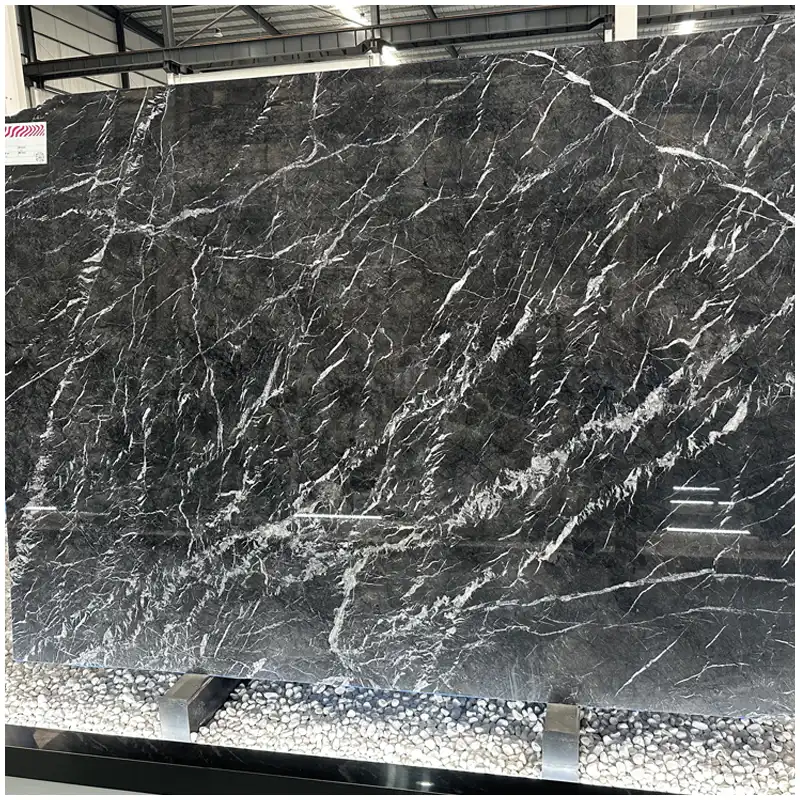
From Showroom Perfect to Month-One Reality
“Can you make it look like real marble… but without the drama?”
The buyer on the call didn’t even try to hide it. She’d just finished a hotel renovation where the lobby looked stunning on day one—and then the first month happened: coffee drips, citrus cocktails, suitcase wheels, and a cleaning team moving fast. Now she was planning a second project and wanted one thing: confidence.
I asked one question back: “Are you choosing for beauty-first or maintenance-first?”
That’s the moment most projects split into two lanes: Doğal Mermer or Tasarlanmış Kuvars—and the right choice depends less on aesthetics than on how the surface will be used, cleaned, and abused in real life. If you’re sourcing at scale (hotel, condo, commercial, or reseller stock), this guide is a practical “buyer’s lens” so you don’t pay for regrets later.
If you need a baseline of what a one-stop stone supplier typically covers—tiles, slabs, countertops, cut-to-size, prefab—start with whitemarblegranite.
The Real-World Buyer Problem: “Samples Don’t Get Stained”
A sample board is perfect. A finished kitchen is not.
Most disputes and “why doesn’t it match?” emails come from predictable pain points:
-
Surface reaction (etching vs staining)
-
Porosity and sealing requirements
-
Batch consistency and vein control
-
Heat, scratch, and impact tolerance in daily use
-
Cleaning chemistry (especially in hotels/restaurants)
Doğal Mermer is primarily calcite-based and sits around 3–4 on the Mohs hardness scale, which is why it can scratch/mark more easily than granite or quartz-rich stones. Tasarlanmış Kuvars, by contrast, is typically produced with ~90–95% mineral aggregates and a smaller portion of resin binder, giving it a dense, uniform surface in everyday handling.
For buyers, the point isn’t “which is better.” The point is: which material fails in what way—and can your project tolerate that failure mode?
If your team needs a quick understanding of factory capability, QC mindset, and what products are typically included in the supply chain, check Whitemarblegranite hakkında.
What the Data Says: Durability Isn’t One Thing
Buyers often say “I want durable.” But durability has multiple dimensions. Here’s a buyer-friendly breakdown.
1) Scratch & Abrasion (Foot Traffic, Suitcases, Daily Use)
-
Natural Marble: Genellikle Mohs 3–4. It can scratch from grit, metal, or dragged objects more easily than quartz-rich materials.
-
Engineered Quartz: Quartz mineral itself is hard (quartz is Mohs 7), and engineered slabs are designed to resist daily abrasion well. The surface “feels” tough in normal use, especially for kitchens and vanities.
Buyer takeaway: If your project includes heavy traffic (commercial flooring, hospitality public areas), marble needs tighter finish selection, protection strategy, and maintenance discipline.
2) Porosity & Absorption (Staining Risk)
Marble is a natural stone and retains porosity. For example, Carrara marble is often cited with absorption ranges around 0.10–0.25%, which is why sealing and spill-response matter more than buyers expect.
Engineered quartz is generally treated as low-porosity/non-porous in practice because of how it’s manufactured and sealed as a composite surface.
Buyer takeaway: If your client is “busy-kitchen messy,” quartz is forgiving. If your client is “I love natural stone and I accept patina,” marble stays on the table.
3) Acid Etching (The Hidden Killer in Marble Projects)
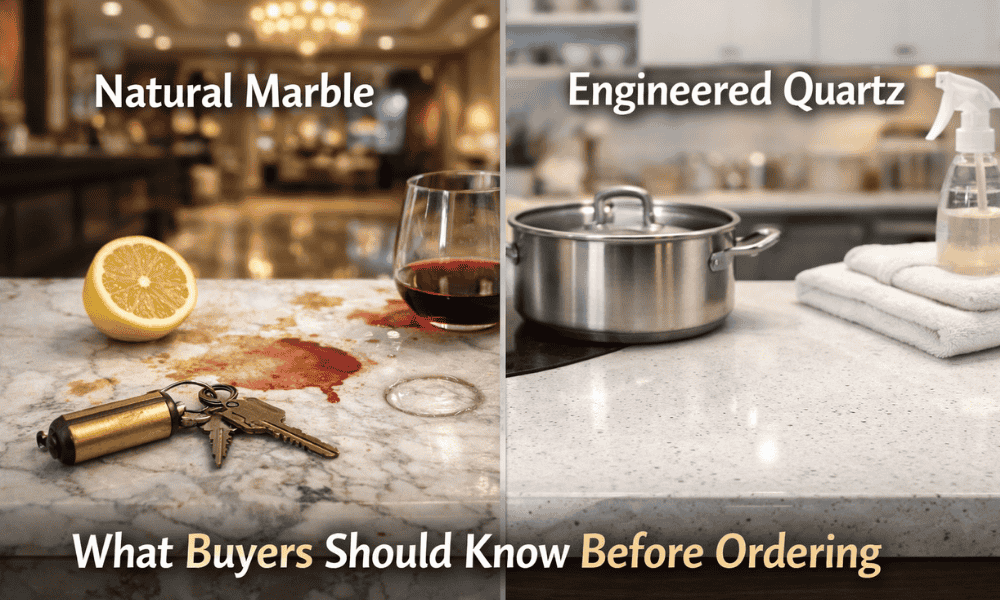
This is the pain point that surprises first-time buyers: etching is not staining.
Acidic liquids (lemon, vinegar, wine, many bathroom cleaners) can react with calcium carbonate and leave a dull mark. It’s not always “dirty”—it’s a surface change. That’s why some marble projects look “aged” fast even when cleaned frequently.
Buyer takeaway: If the space includes frequent acidic exposure (bars, restaurants, family kitchens), marble requires a clear expectation set upfront: it will develop character unless carefully protected.
If you’re ready to reduce uncertainty, the fastest path is aligning material choice with usage and documenting expectations before PI/contract. When you need specs, packing, photos, and order confirmation, the simplest path is Contact whitemarblegranite.
|
|
|

Buyer’s Decision Matrix: Where Each Material Wins
When Natural Marble is the smarter buy
Natural marble is still the “luxury signal” material for many designers and property owners. It wins when you value:
-
Authentic variation (no two slabs are identical)
-
Depth and translucency that engineered patterns struggle to fully replicate
-
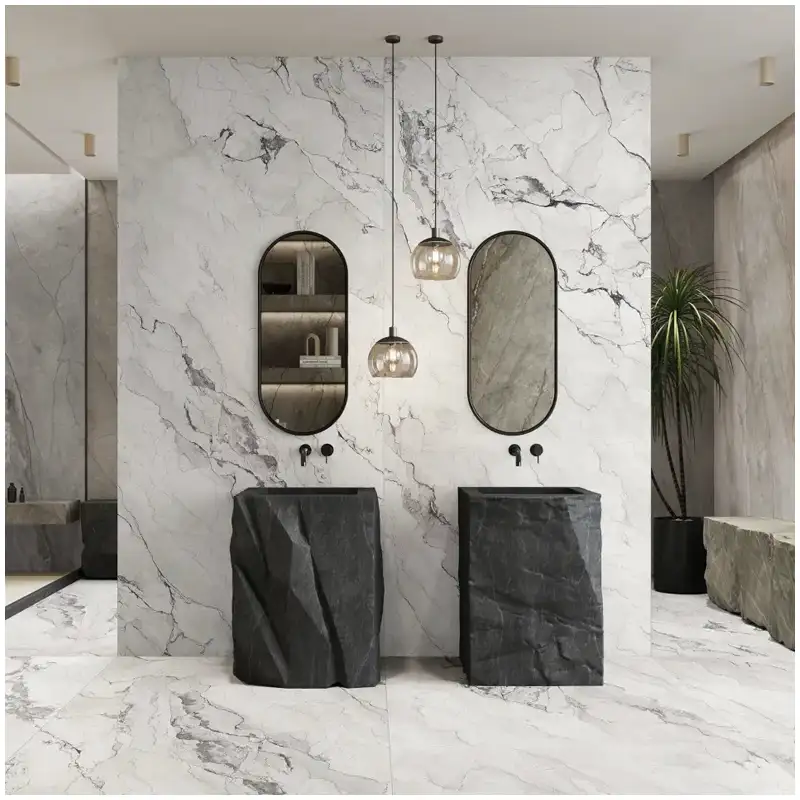
High-end positioning for lobbies, feature walls, fireplaces, bathrooms, and boutique spaces
-
Clients who want natural patina as part of the story
Best-fit applications
-
Feature walls and cladding
-
Low-acid, low-stain zones (formal bathrooms, decorative areas)
-
Fireplace surrounds, statement floors (with correct finish + maintenance plan)
When Engineered Quartz is the smarter buy
Engineered quartz is built for predictability. It wins when you value:
-
Batch consistency across multiple units or phases
-
Low-maintenance surfaces for busy environments
-
More stable color/pattern repeatability for modular design
-
Easier decision-making for procurement teams (fewer “natural variation” disputes)
Best-fit applications
-
Kitchen countertops (residential + multi-family)
-
Banyo makyaj masası üstleri
-
Commercial counters where cleanup speed matters
A Targeted “Stone Buyer” Example: Carrara vs Oriental White (Why It Matters Here)
In real procurement, your decision is rarely “marble vs quartz” in a vacuum. It becomes: “Which marble? Which white? Which slab behavior?”
A classic buyer scenario is choosing between Carrara White and Oriental White. They can look close in photos but behave differently in tone, uniformity, and long-term wear visibility.
If you’re sourcing white marble and want a concrete comparison that helps avoid wrong expectations, read Carrara White Marble vs Oriental White Marble and align that information with your project’s lighting, cleaning routine, and “acceptable variation” threshold.
“Data-Backed” Procurement Checklist (What to Confirm Before You Pay)
Here’s a practical checklist buyers use to reduce disputes—especially for cross-border orders:
A) Performance confirmations
-
Intended use zone (kitchen, vanity, wall, lobby, bar)
-
Finish selection (polished vs honed; slip resistance where needed)
-
Sealing plan for marble (who seals, when, what maintenance expectations)
B) Visual control confirmations
-
Slab photos/videos by batch (especially for white marble vein consistency)
-
Bookmatch/vein-match requirements if relevant
-
Lighting reference: confirm under warm vs cool light
C) Fabrication confirmations (for countertops & vanity tops)
-
Thickness: 18/20/30 mm
-
Edge profiles and tolerances
-
Sink cutouts, faucet holes, backsplash specs
-
Reinforcement requirements for long spans
D) Packing & logistics confirmations
-
Crate method and corner protection
-
Labeling and piece numbering for installation speed
-
Spare pieces strategy (especially for big projects)
A “whitemarblegranite” Project Mindset: Reducing Risk Through Standardization
One reason experienced buyers keep returning to a stable supplier is simple: fewer surprises.
On the whitemarblegranite site, the product scope is positioned as a one-stop pipeline—from slabs and tiles to fabricated pieces and prefab countertop services—aimed at projects like hotels, malls, office buildings, and large-scale developments. That approach matches how professional procurement teams reduce risk: standardize materials, standardize fabrication rules, and standardize packing.
A light piece of good news worth noting: whitemarblegranite’s news section has recently highlighted premium natural stone directions (for example, a Tac Mahal Kuvarsit feature published with a 2026 date), which signals ongoing focus on high-demand, design-led surfaces in the global market. That’s the kind of supplier signal buyers like—because it often correlates with stable inventory planning and trend-aware product development.
Quartz Isn’t “Just Quartz”: How Design Pairing Impacts Perceived Quality
Engineered quartz can look premium—or look flat—depending on how it’s paired.
Buyers who want the best outcome treat quartz as part of a system: cabinets, backsplash, flooring, lighting, and room function. If you’re selling to designers or developers, this is the content that actually helps them decide faster (and reduces returns or “it looked different” complaints).
For a practical design-focused guide, use match quartz countertops to align surface selection with the full interior palette—especially helpful for showroom teams and project procurement.
Practical Recommendations: Choose by “Failure Mode,” Not by Hype
Here’s the blunt version procurement teams appreciate:
-
If your client will be angry about visible surface change, avoid marble in acid-heavy zones.
-
If your project needs repeatable visuals across 50 units, engineered quartz is usually the safer route.
-
If your brand sells natural authenticity and accepts patina, marble can be a powerful differentiator.
-
If your cleaning team uses strong chemicals, you must define what’s allowed—especially with marble.
Quick decision rule
-
baştan Doğal Mermer when the project sells “authentic luxury” and maintenance discipline exists.
-
baştan Tasarlanmış Kuvars when the project sells “clean, consistent, efficient living” and needs predictable performance.

SSS
1) Is Natural Marble good for kitchen countertops?
Yes, but it’s best for buyers who accept that marble can etch and develop patina. If the kitchen is high-acid or high-spill, you’ll need a sealing and care plan to keep it looking crisp long-term.
2) Does Engineered Quartz stain easily?
Engineered quartz is generally more resistant to staining in daily use than natural marble because it’s designed as a dense composite surface. Still, buyers should confirm cleaning guidance and avoid prolonged exposure to harsh chemicals.
3) What’s the biggest mistake buyers make when ordering Natural Marble?
Assuming the installed surface will look like the sample forever. Marble is a natural material with variation, and its surface can change with use. The correct approach is setting expectations, confirming batch visuals, and planning maintenance.
4) Can Engineered Quartz handle hot pots and pans?
Many quartz surfaces handle everyday warmth, but extreme direct heat can risk damage because of resin binders in engineered stone. Use trivets and confirm the supplier’s heat guidance for the specific slab line.
5) Which is better for hotel projects: Natural Marble or Engineered Quartz?
It depends on location and use. Marble performs beautifully in lobbies, feature walls, and statement areas where luxury matters. Engineered quartz is often preferred for vanity tops and counters where cleaning speed, consistency, and low-maintenance operation matter.
The Best Material Is the One You Can Maintain
Back to that buyer’s question—“Can you make it look like marble without the drama?”
The honest answer is: you can get close with engineered quartz, but you can’t copy the soul of a real natural slab. Doğal Mermer rewards buyers who want authenticity and accept a lived-in surface. Tasarlanmış Kuvars rewards buyers who want consistency, speed, and fewer surprises.
So don’t choose by showroom emotion alone. Choose by how the space will be used on a random Tuesday, not how it looks on opening day. And when you match the material to the real-world usage, procurement gets smoother, disputes drop, and the project looks “right” for a lot longer.