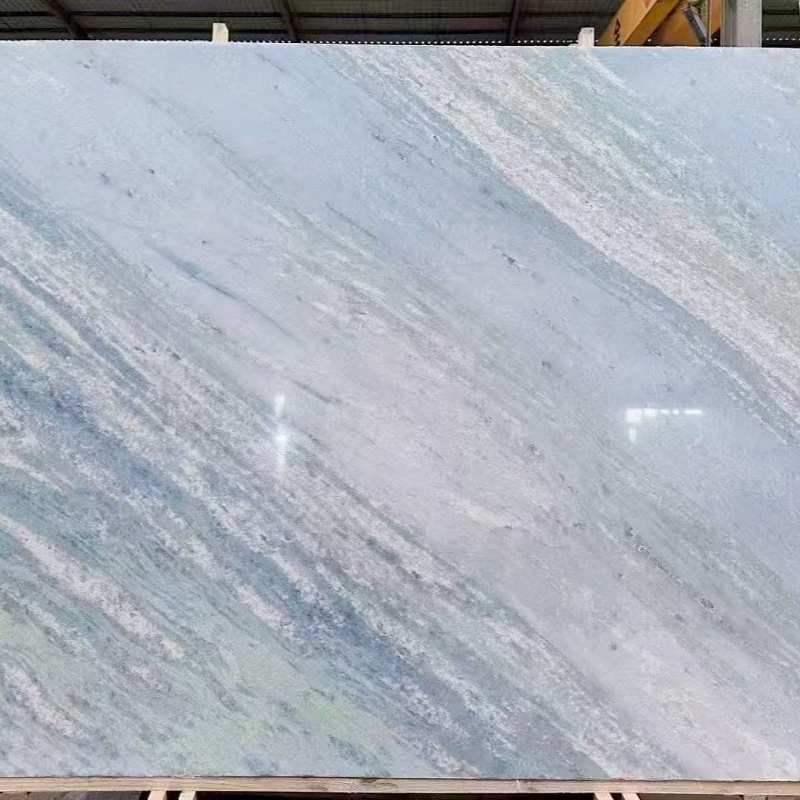



Quick Summary
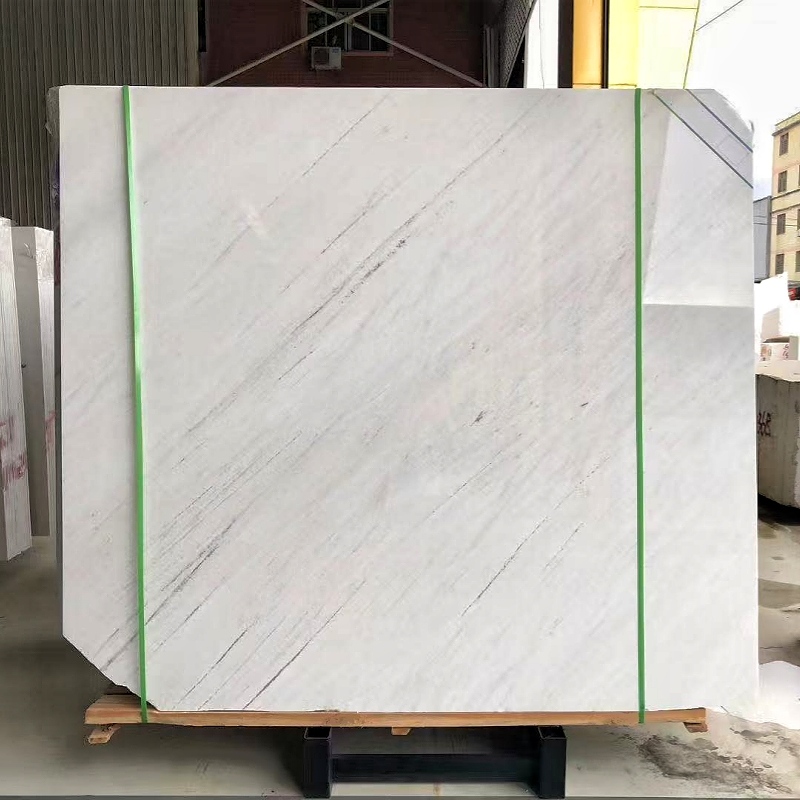
Ariston White Marble Levhaları are quarried in northern Greece and processed into bathroom wall panels, floor tiles, vanity surrounds and custom interior stone components. Their fine-grained white background is crossed by light grey or grey-beige veins that vary in spacing and direction. Esta Stone features polished 18mm slabs, with 20mm and 30mm thicknesses listed as additional references. Large slabs allow wall and floor pieces to be selected from coordinated material, reducing abrupt changes in background whiteness. Bathroom orders benefit from an approved cutting schedule covering wall openings, floor tile distribution and exposed stone edges. The actual finish and floor-use requirements determine the final fabrication details.
Ariston White Marble Slabs for Villa Bathroom Walls and Matching Floors
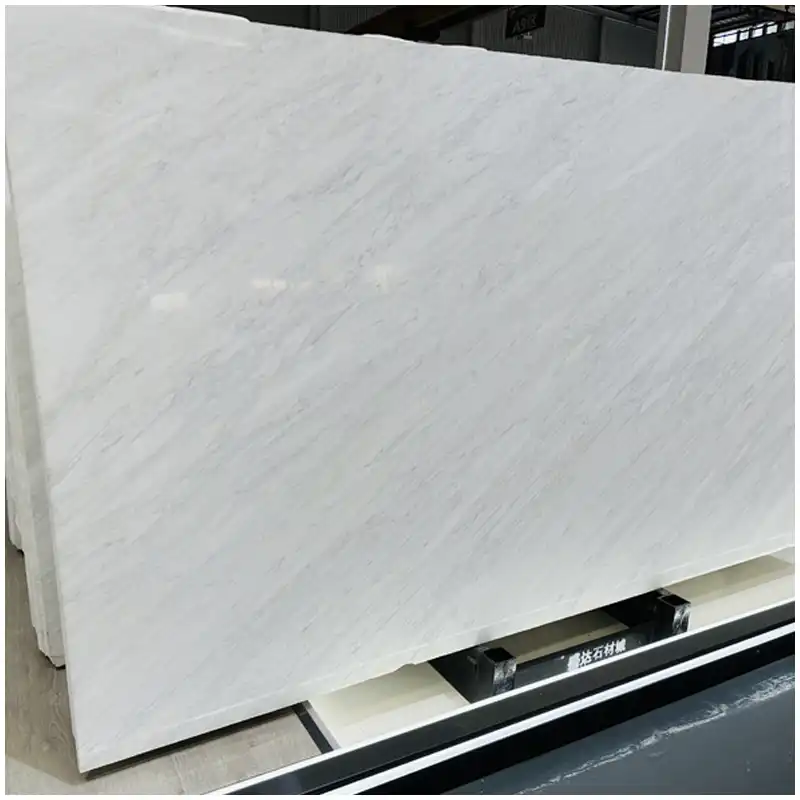
Ariston White Marble Levhaları are used to cut large bathroom wall panels and coordinated stone flooring where the design calls for a predominantly white natural surface. The stone typically contains fine grey or grey-beige veins, with wider white areas separating the mineral lines.
For a villa bathroom, one selected slab group can be allocated to a bathtub wall, vanity background and smaller adjoining pieces. This makes it easier to control the shade of white across surfaces that are seen together, especially under bright recessed lighting.
Floor pieces require a separate cutting arrangement. A wall panel may preserve a long diagonal vein, while smaller floor tiles divide the same pattern into repeated units. The distribution of those pieces changes the appearance of the completed room.
Ariston is associated with white marble deposits in the Drama region of northern Greece. Its comparatively restrained veining makes the actual background tone an important part of slab selection. Differences between cool white, warm white and grey-tinted material become noticeable across broad installations.
For orders containing both walls and floors, buyers should establish which areas require the cleanest white background and which can accept greater natural vein variation. This decision can be reflected in the cutting schedule before the slabs are processed.
Ariston White Marble Slab Selection: White Background and Grey-Vein Balance
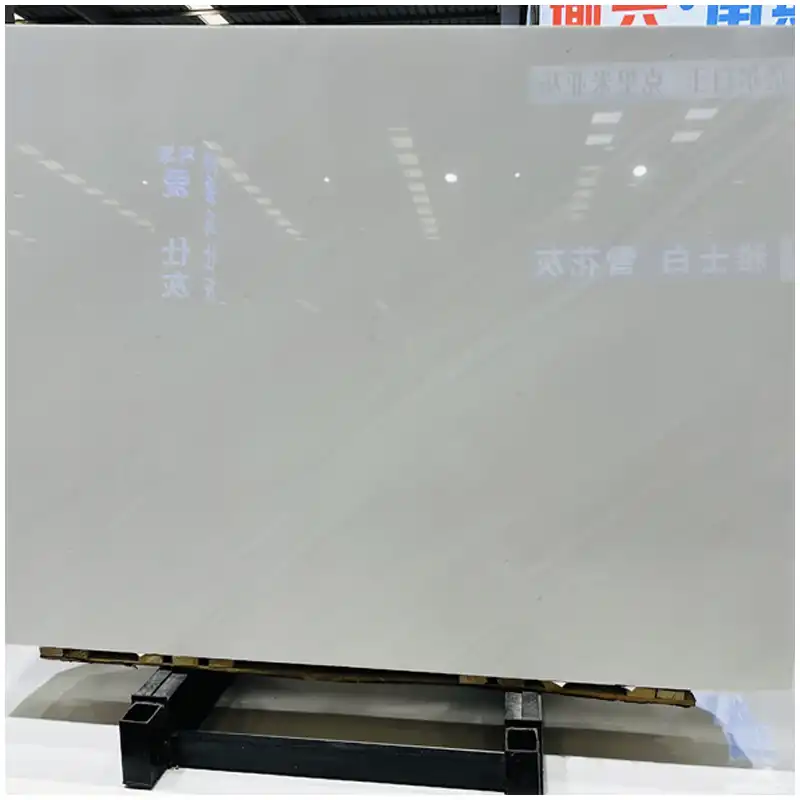
The first grading decision for Ariston White Marble concerns the white background. Individual slabs may appear bright white, slightly ivory or cooler grey-white. These changes can be subtle in isolation but much clearer when two finished panels meet at a corner.
The second decision is vein coverage. Some slabs have widely spaced diagonal lines, while others contain more continuous grey markings or small cloudy concentrations. A relatively open white selection is useful where bathroom walls already contain mirrors, metal fittings and several joints.
For a vanity background, the cutting outline can be positioned to keep large white areas around the mirror. A pronounced grey vein may instead be retained beside the basin, where it will remain visible after fittings are installed.
The proposed layout should be viewed under consistent lighting. White marble may appear warmer under interior lighting than in daylight, and polished surfaces reflect surrounding cabinet colors. Comparing several slabs under different lighting conditions can lead to misleading grading decisions.
Natural grey markings are not automatically defects. Open fissures, unsuitable repairs, chipped edges and processing marks are separate quality matters. The acceptance criteria should distinguish the selected visual grade from the physical condition of the finished stone.
18mm Ariston White Marble Slabs for Cut-to-Size Bathroom Components
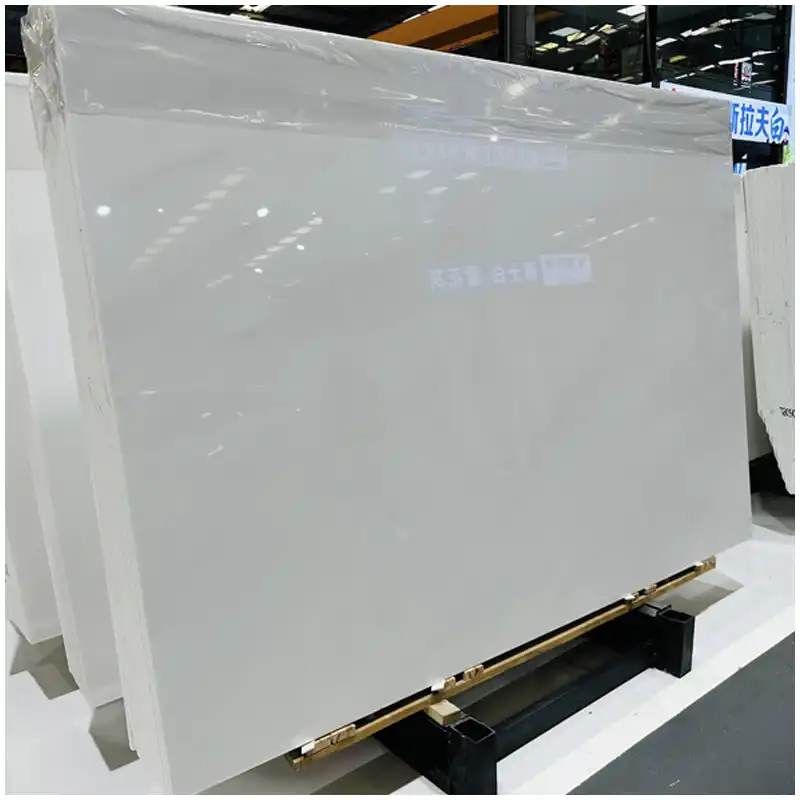
Öne çıkan 18mm Ariston White Marble Slabs can be processed into supported wall panels, vanity surrounds and other interior stone components according to the approved drawings. The choice of finished panel dimensions depends on the usable slab area and the intended construction.
A bathtub wall with a recessed shelf introduces several separate cuts: the principal panel, the niche back, side returns and any exposed shelf edges. Their finished thicknesses and edge treatments should be identified before the main slab is cut.
For vanity walls, mirror openings and faucet penetrations can remove parts of the natural vein pattern. A cutting drawing showing these openings over the actual slab image helps preserve the preferred white areas around the visible fittings.
Large 18mm panels also require suitable support and handling. A narrow stone strip between two openings is not equivalent to an uninterrupted rectangular panel, even when both are cut from the same slab.
Additional thickness references include 20mm and 30mm. These can be reviewed for different finished products, but the selected thickness should be linked to the component geometry rather than presented as a universal solution for walls, floors and countertops.
Greek Ariston White Marble Slabs and Full-Slab Layout Approval
Large-format Greek White Marble can be allocated by room elevation instead of being cut into unrelated pieces. This is especially useful for a master bathroom with a principal wall, a secondary wall and several smaller stone components.
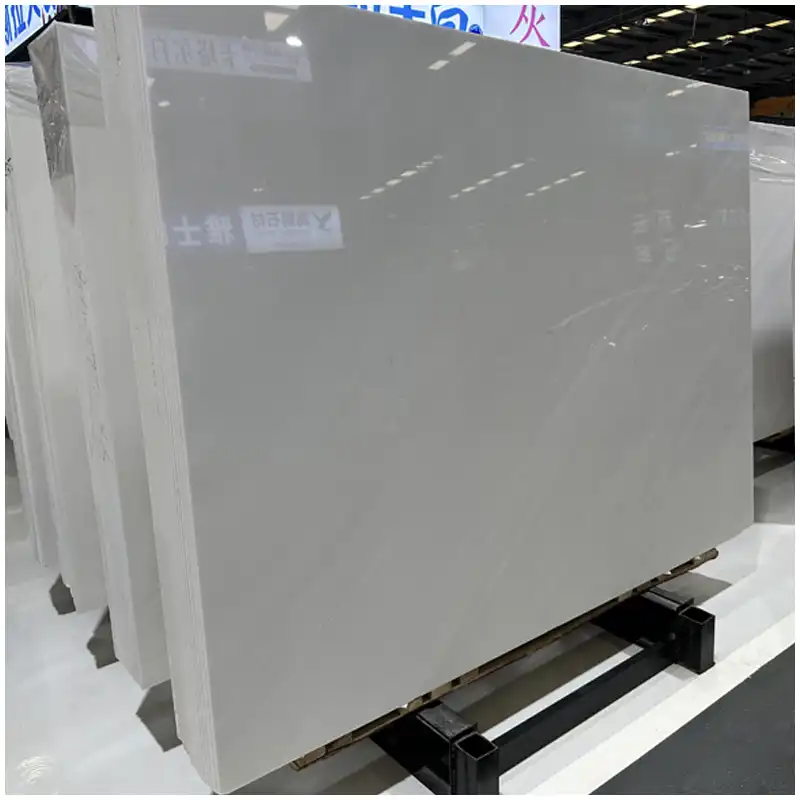
A full-slab cutting plan should identify the finished panel outlines, saw-cut allowances and the main visible vein direction. If an adjacent wall is to continue the pattern, the stone allocation must account for the corner and the surfaces that will remain visible.
Ariston’s lighter vein structure often makes background consistency more important than exact line-to-line matching. For this reason, the goal may be a balanced sequence of white panels rather than a dramatic bookmatched arrangement.
Where a mirror-image design is requested, true bookmatching requires suitable consecutive slabs and corresponding faces. Two independently selected Ariston slabs cannot be assumed to produce a symmetrical pattern merely because both have diagonal grey veins.
Room numbers and panel references can be assigned to the cutting drawing and retained on the packing list. This allows installers to reconstruct the approved layout without making new aesthetic decisions after the stone reaches the project.
Ariston White Marble Slab Sizes, Thicknesses and Fabricated Products
The table uses the original Esta Stone catalogue’s slab-size and thickness references, with 18mm highlighted by the supplied product photograph. These are production-planning sizes, not independently verified current inventory. Finished components must be measured from the actual selected slabs.
| Ürün Adı | Ariston White Marble Levhaları |
| Natural Material | Greek White Dolomitic Marble |
| Menşe Referansı | Drama, Northern Greece |
| Renk ve Desen | White / Soft Grey / Grey Beige, fine linear and diagonal veins |
| Küçük Döşeme Referansı | 1800mm+ × 600mm+ |
| Büyük Döşeme Referansı | 2400mm+ × 1200mm+ |
| Jumbo Plaka Referansı | 2800mm+ × 1500mm+; subject to selected block |
| Öne Çıkan Kalınlık | 18 mm Parlatılmış Levhalar |
| Diğer Kalınlık Referansları | 20mm / 30mm; selected lot confirmation required |
| Fayans Kesme Referansları | 300×600mm / 457×457mm / 600×600mm / 800×800mm / Custom |
| Yüzey Kaplamaları | Polished / Honed; other treatments by sample review |
| Wall Products | Bathroom Panels / Vanity Backgrounds / Niche Returns / Interior Wall Cladding |
| Floor Products | Bathroom Floor Tiles / Entrance Thresholds / Custom Floor Borders |
Ariston White Marble Villa Bathroom Floor and Wall Designs
The following design image combines Ariston White Marble flooring and wall applications in a villa bathroom setting. These surfaces can share a coordinated white marble selection, but wall-panel cutting and floor-tile production must be planned separately.

Large wall panels can be positioned behind a freestanding bathtub or across the main vanity elevation. Their pale grey veins remain relatively understated, leaving the shape and alignment of the panels as important parts of the finished design.
Floor tiles introduce a different visual rhythm. A 600×600mm layout creates repeated joints across the room, while larger formats can reduce joint frequency where the room geometry and installation permit. Cut pieces near the door, shower screen and vanity should be included in the floor drawing.
A matching marble threshold can connect the bathroom floor to the adjacent room. Its finished height, edge profile and relationship to the door clearance should be specified in advance rather than left to on-site trimming.
The image represents a design application, not an independently verified completed installation. Actual wall fixing, floor waterproofing and finished surface performance are determined by the project’s construction details.
Ariston White Marble Floor Tiles: Finish Choice, Joint Layout and Wet-Area Use
Polished Ariston White Marble reflects light and shows the contrast between the white background and pale mineral lines. It can be considered for selected dry interior surfaces, but the polish itself does not demonstrate adequate traction when water is present.
Honed material has lower reflectivity and is another finish option for bathroom flooring. It must still be evaluated for the actual wet-use conditions. Neither finish name constitutes a slip-resistance classification.
For a bathroom floor, the tile schedule should identify the shower boundary, floor drain, doorway and any change in floor level. The required slope may affect whether large-format tiles can be installed without lippage or unwanted cuts. Some shower-floor layouts may need smaller pieces or a different stone finish.
Grout width and movement joints should follow the installation specification. Bright white marble makes uneven tile alignment and irregular joints more visible, especially where the floor continues toward a full-height wall panel.
Wet-area waterproofing belongs beneath the finished stone system. Natural marble, grout and surface sealer do not replace the required waterproofing layer. Tile approval should therefore be coordinated with the intended floor construction, not based solely on the appearance of the finished slab.
White Marble Wall Openings, Vanity Details and Exposed Edges
Ariston White Marble wall panels are frequently interrupted by mirrors, electrical fittings and vanity hardware. For a double-basin vanity, the stone drawing should identify both basin centerlines, faucet positions and any recesses before cutting begins.
A continuous vanity wall may need separate panels above and below a mirror. Where the design calls for a consistent white appearance, those pieces can be allocated from approved slab areas with similar background tones.
Niches and wall returns introduce exposed stone edges. A polished reveal may be visible from the main room, while a concealed edge behind a trim profile will require different finishing. These conditions should be listed for each fabricated component.
Ariston White Marble can show natural veins and occasional filled features. The fabricator should check whether these intersect narrow strips, drilled penetrations or exposed corners. Surface acceptance in a broad slab area does not automatically establish suitability for every small cut piece.
Ariston White Marble Physical Properties and Published Material Reference
The following figures come from one published Ariston Beyaz Mermer technical specification. They describe the tested sample and are not measurements of the slabs offered in this Esta Stone listing. Other Ariston selections can produce different results, particularly in bending strength.
| Fiziksel Özellik | Published Reference | Material Interpretation |
| Apparent Density | 2,840 kg/m³ | Reference for natural stone weight calculations |
| Su Emme | 0.30% | Tested specimen’s moisture absorption |
| Flexural Strength | 7.80 MPa | Relevant to bending assessment of stone components |
| Basınç Dayanımı | 108.80 MPa | Reference compressive property of the specimen |
Teknik nitelik: These are published Ariston White specimen values, not current-batch certified results. No unverified laboratory method numbers have been assigned. The values do not establish slip resistance, the permitted span of an unsupported panel or the suitability of a particular wall-fixing arrangement. Any project requiring certified performance must use documentation corresponding to the approved stone selection.
The reference flexural value is relevant when reviewing the risk of damage around openings and narrow components. For a bathroom project, actual finished dimensions and support conditions are needed before a raw material strength figure can be applied to component design.
Greek Ariston White Marble, Dolomitic Structure and Surface Care
Ariston White is described in Greek material records as a fine-grained dolomitic marble. Its pale mineral background and grey-beige calcite markings help distinguish it from some more strongly veined white marble selections.
The dolomitic classification does not make the finished stone immune to acidic cleaners. Marble surfaces can react to acid exposure, and individual mineral veins or filled areas may respond differently to cleaning products.
On bathroom walls, soap residue and water deposits should be removed with a cleaner suitable for natural marble. Acidic descalers, vinegar and abrasive scouring pads can affect the finish. A polished surface may show dull etch marks more clearly under grazing light.
Floor maintenance should include regular removal of abrasive particles before wet cleaning. An impregnating sealer may reduce certain staining risks after compatibility testing, but it will not prevent acid etching or make a wet floor slip-resistant.
For projects where bright whiteness is a principal acceptance criterion, test any proposed cleaner or sealing product on a representative piece before applying it across all visible surfaces.
Ariston White Marble Slab Inspection, Cutting Approval and Export Packing
| Slab Approval | Compare the white background and grey-vein grade under consistent lighting. Record the actual dimensions, thickness, polished or honed finish, slab number and visible repairs before allocating bathroom components. |
| Finished-Piece Inspection | Check wall panel and floor tile sizes, thickness calibration, flatness, edge condition, opening positions and finish consistency. Compare completed pieces with the approved cutting schedule and any numbered dry-lay layout. |
| Packing & Shipment | Separate finished stone faces with suitable protection, reinforce vulnerable corners and identify pieces by room or installation area. Verify packing quantities, crate photographs, gross weight and the final component list. |
Five Mistakes When Ordering Ariston White Marble Slabs for Bathrooms
- Approving all slabs from one white sample: Differences in background warmth can become obvious when wall panels and floor tiles are installed next to each other. Compare actual slab groups before production.
- Planning wall cuts without vanity and mirror positions: Openings can remove prominent grey veins or leave fragile narrow strips. Overlay the architectural elevation on the proposed slab layout.
- Using the same surface assumption for walls and wet floors: A polished wall sample does not establish bathroom-floor slip suitability. Floor finishes must be selected for the intended walking conditions.
- Forgetting thresholds and niche returns: Small pieces require edge and thickness details that can affect both the amount of stone ordered and the completed joint layout.
- Using generic Greek white marble strength figures: Ariston, Volakas, Thassos and other white stones have different tested properties. The selected stone identity matters when technical values are specified.
Frequently Asked Questions About Ariston White Marble Slabs
Where does Ariston White Marble come from?
Ariston White Marble is quarried in the Drama region of northern Greece. It belongs to the region’s fine-grained white marble selections, with light grey or grey-beige natural veining. The exact quarry should be identified for the ordered batch.
What is the difference between Ariston White Marble and other Greek white marbles?
Ariston White generally has a fine-grained white background with delicate grey or grey-beige veins. The vein distribution and white tone differ from other Greek selections such as Volakas and Thassos. Individual slabs should be compared rather than relying only on material names.
What slab thicknesses are available for Ariston White Marble?
The featured product images include 18mm Ariston White Marble slabs. Additional catalogue thickness references include 20mm and 30mm, subject to the actual slab selection and finished component requirements.
Can Ariston White Marble Slabs be cut into villa bathroom wall panels?
Yes. Ariston White Marble slabs can be cut into bathtub backgrounds, vanity wall panels, shower-wall cladding and niche returns. Fabrication drawings should identify panel dimensions, openings, exposed edges and the intended vein layout.
Can Ariston White Marble be used for bathroom floor tiles?
Ariston White Marble can be processed into bathroom floor tiles. Tile sizes, drain locations, joint layout and the selected surface finish must correspond to the room design. Wet-floor slip performance requires separate evaluation.
Can Ariston White Marble Slabs be bookmatched?
Bookmatching may be possible where suitable consecutive slabs and corresponding faces are available. Because Ariston often has relatively fine veining, matching background whiteness and vein distribution may be more important than producing a dramatic mirrored pattern.
What are the reference physical properties of Ariston White Marble?
A published Ariston White Marble specimen reports apparent density of 2,840 kg/m³, water absorption of 0.30%, flexural strength of 7.80 MPa and compressive strength of 108.80 MPa. These are reference values, not certified results for the current slabs.
How should polished Ariston White Marble be cleaned?
Use a pH-neutral natural-marble cleaner and soft, non-abrasive tools. Remove soap residue and spills promptly, avoid acidic descalers, and test sealing products for compatibility with the selected stone. Sealing does not prevent acid etching.
Ariston White Marble Compared with Four Decorative Marble Slab Options
Ariston White is the relatively restrained white-and-grey selection in this group. The alternative materials introduce different levels of contrast and vein movement, which changes how a slab works when cut into broad bathroom panels or smaller architectural pieces.
| Stone Selection | Surface Pattern | Design and Fabrication Difference |
| Ariston Beyaz Mermer | White background with light, fine grey-beige lines | Coordinated light-colored bathroom walls and floor sets |
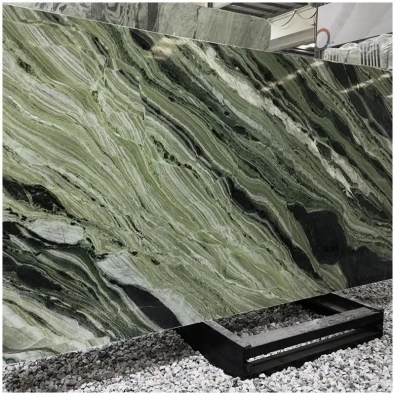
| Prada Yeşil Mermer | Dark forest green with contrasting pale veins | Strong green accent panels rather than an all-white room |
| Noir Grand Antique Mermer | Black-and-white brecciated mineral pattern | High-contrast compositions with irregular white fragments |
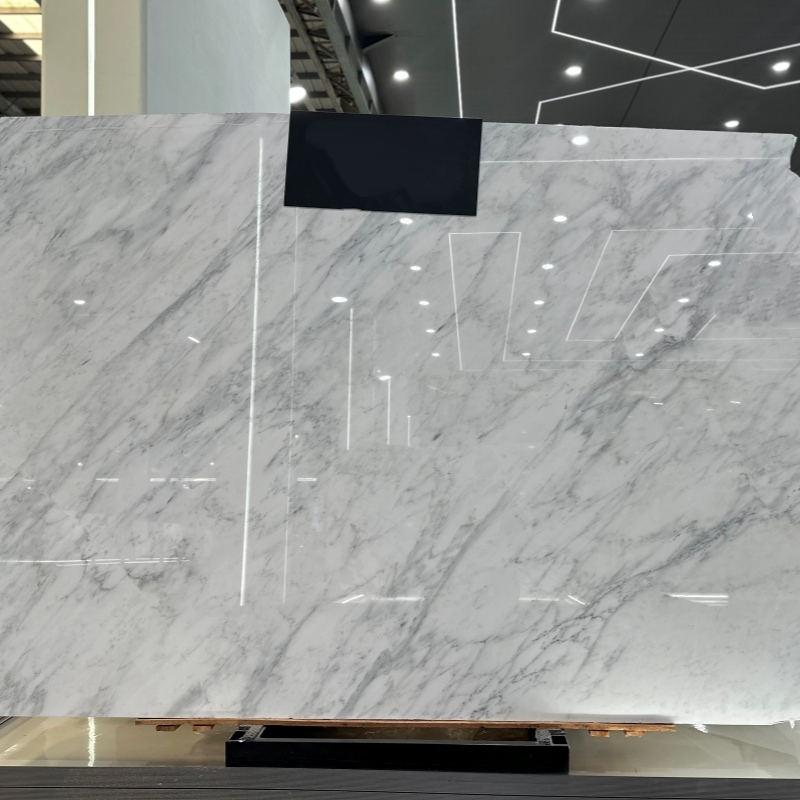
| Statuario Bianco Marble | White background with more prominent grey veins | Statement wall panels where individual vein placement is prominent |
| Calacatta Mermer Plakalar | White background with broad grey vein movement | Dramatic large-panel layouts and selected bookmatched walls |
Recommended White, Green and Black Marble Slabs
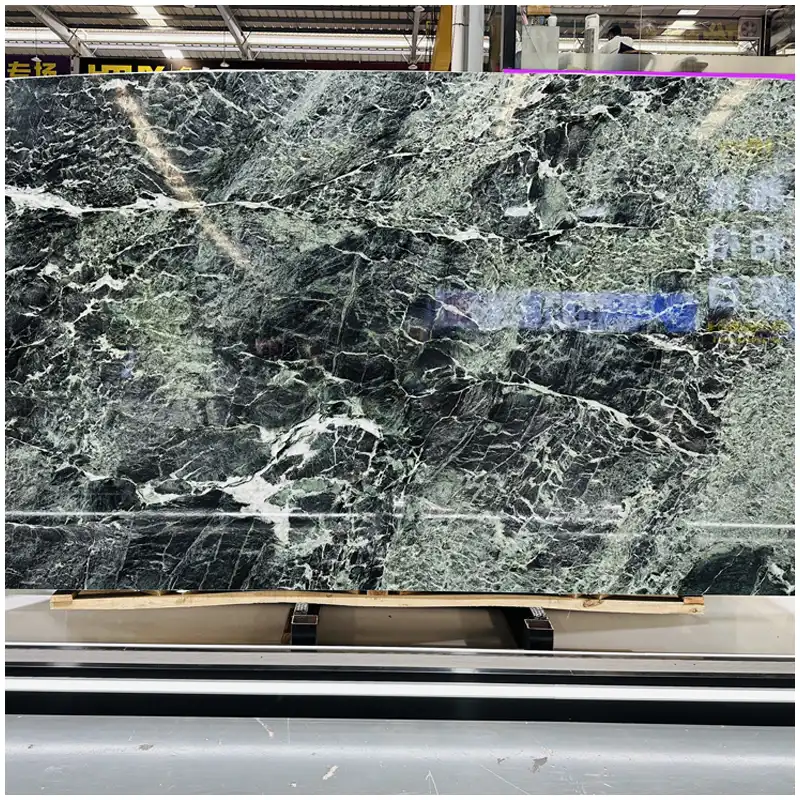

Noir Grand Antique Mermer
Black-and-white brecciated marble for high-contrast interior panels.
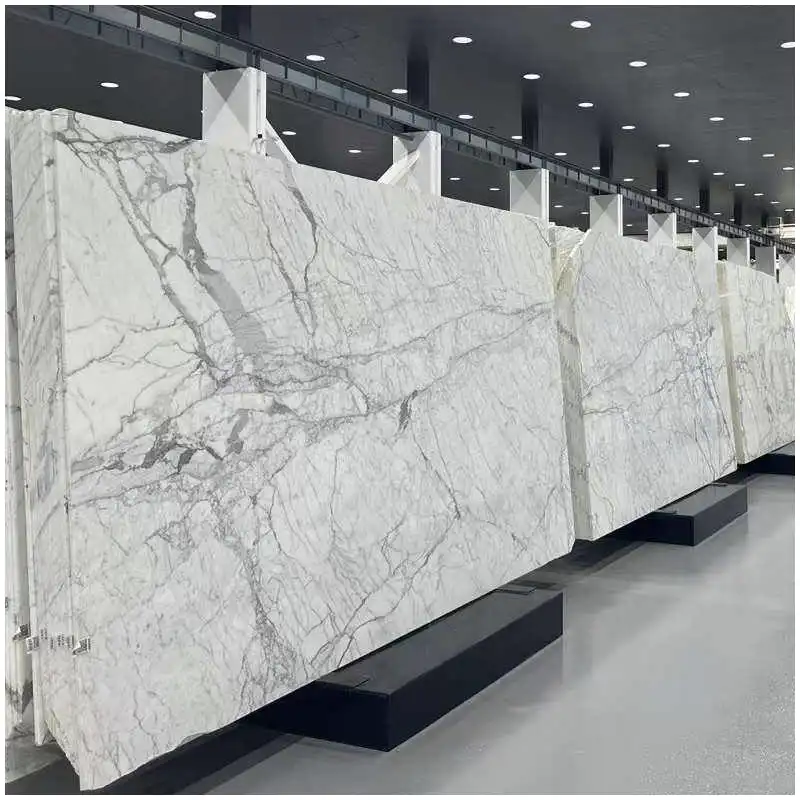
Statuario Bianco Mermer Levhası
White marble with defined grey veins for prominent wall compositions.

Calacatta Mermer Plakalar
White marble slabs with broader grey veins for decorative panel layouts.
Choose Ariston White Marble Slabs for a Complete Villa Bathroom Cutting Schedule
For an Ariston White Marble bathroom package, send Esta Stone the wall elevations, floor plan, intended tile sizes and locations of mirrors, basins, drains and niches. Include the required slab thickness, preferred white background grade and polished or honed finish for each area. The selected slabs can then be allocated to the main wall panels, floor pieces and smaller returns, with a cutting list that reflects the actual geometry of the room. This gives the fabricator a defined basis for material selection and quotation.
| Fiyat Teklifi Talep Et | Mermer Plakaları Görüntüle |