The Bathroom Conversation That Sounds Simple Until It Isn’t
“We want it to feel bright, but not cold.”
“We love marble, but we don’t want the floor to be slippery.”
“And please don’t let the bathroom end up looking like a hotel lobby from 2014.”
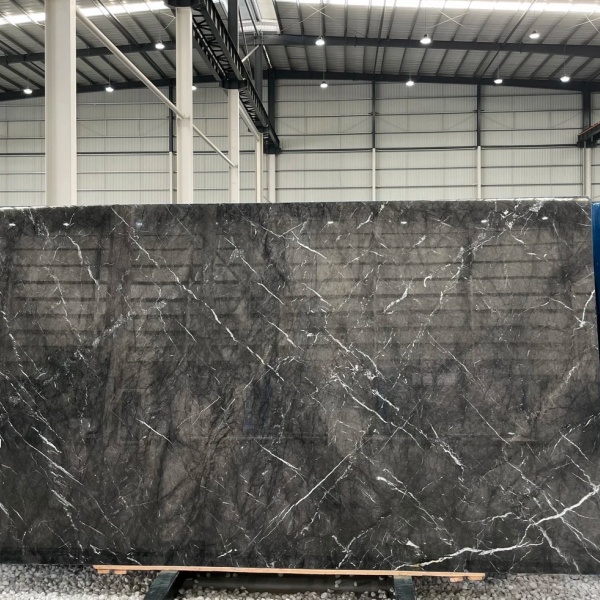
That is exactly where choosing the right Marble Tiles becomes more complicated than most homeowners expect. A bathroom is not just another pretty room. It is a wet space, a visual retreat, a maintenance zone, and often one of the most emotionally loaded rooms in the house. The 2025 U.S. Bathroom Trends Study, based on a survey of 1,737 U.S. homeowners with recent or planned bathroom renovations, shows that homeowners are prioritizing wellness, accessibility, and design upgrades at the same time.Is 2026 home-design predictions also point to high-quality materials like honed marble as part of a longer-term move toward more tactile, enduring interiors rather than quick visual trends.
That is why choosing bathroom marble is not about finding the whitest tile or the boldest veining. It is about matching the stone to the room’s size, moisture exposure, light quality, slip expectations, maintenance tolerance, and overall mood. A supplier like White Marble Granite matters here because the decision is easier when the source understands stone as a project material, not just a photo sample. And frankly, that is where many bathroom projects either glide or crash.

Why Marble Tiles Still Make Sense in Bathrooms
Marble has not survived centuries of design cycles by accident. It works because it gives bathrooms something synthetic surfaces often struggle to imitate convincingly: depth, softness, tonal variation, and a natural sense of permanence. ArchDaily’s marble-focused editorial coverage still frames marble as a material that remains relevant across both classical and contemporary interiors, while its bathroom-specific marble article notes that marble integrates especially well with wood and other natural materials in current bathroom design. Is 2025 tile-trend reporting also shows that natural materials such as marble, limestone, and travertine continue to hold strong appeal in interior projects.
At the same time, the bathroom has changed. It is no longer seen as a purely utilitarian space. NKBA’s 2025 bath-trends coverage highlights a continued move toward spa-like, wellness-driven bathrooms, and 2025 bathroom trends reporting shows a similar shift toward comfort, accessibility, and sensory quality. That matters because once the bathroom becomes a restorative room rather than just a washing room, materials like marble start making even more sense.
This is where a broader category like Marble Stone becomes useful. Bathroom design almost never succeeds by tile choice alone. The best results come from coordinating floor tile, wall tile, vanity tone, metal finish, and lighting so the bathroom feels layered rather than random.
The Real Questions You Should Ask Before You Pick a Tile
Before choosing a marble tile, most people focus on appearance first. That is understandable. It is also how they end up messaging their contractor three months later with “Why does this look different from the showroom?”
The better order is this:
- Where will the tile be used?
- How wet will that surface get?
- How much grip is needed?
- How bright or dark is the room?
- How much variation can the design tolerate?
- How much maintenance is realistic for the homeowner?
Those questions matter because bathroom marble has to perform in context. The Natural Stone Institute’s kitchen-and-bath education materials emphasize setting proper expectations for different stone types and understanding fabrication, installation, care, and maintenance to ensure longevity and satisfaction. Its testing-services guidance also makes clear that project-specific testing may be needed when stone is being introduced to new conditions or when installation demands are uncertain.
That is why guides like Why Choose Natural Marble Tiles for Interior Floor and Wall Projects are useful. Marble tiles are not just a style choice; they are a specification choice. The sooner a homeowner understands that, the less likely they are to buy something beautiful but wrong.
A Quick Bathroom Tile Selection Table That Actually Helps
| Bathroom Need | Best Marble Tile Direction | Why It Works | Main Watch-Out |
|---|---|---|---|
| Bright, calm, timeless look | White or soft off-white marble | Reflects light and makes the room feel open | Can feel cold if paired with the wrong finishes |
| Small bathroom that needs lift | White marble with warmer undertones or soft veining | Expands visual space without becoming sterile | Needs balancing with wood, warm metals, or texture |
| Statement vanity or accent wall | Bold-veined marble | Adds luxury and focus without covering every surface | Use selectively to avoid visual overload |
| Bathroom floor in wet zone | Honed or texture-aware marble tile | More practical than highly polished surfaces in wet conditions | Slip suitability still must be checked |
| Spa-like dark or moody bathroom | Green marble or deeper-toned marble | Adds depth, richness, and character | Better in rooms with decent light and disciplined styling |
The table looks simple, but it points to the real issue: the “best” marble tile depends on where it is going and what the room needs it to do.
Floor or Wall? That Question Changes Everything
This is where many projects go sideways. A marble tile that looks stunning on a bathroom wall is not automatically the smartest choice for the floor.
For flooring, slip awareness matters. TCNA notes that ANSI A326.3 is the American National Standard test method for measuring dynamic coefficient of friction for hard-surface flooring materials and that the standard includes product-use classifications and guidance for specifying such materials. In plain English: not every beautiful bathroom tile belongs on every wet bathroom floor. The same stone in a different finish can behave very differently underfoot.
For walls, the priorities shift toward tone, scale, and pattern behavior. Larger marble tiles often create a cleaner, quieter look because there are fewer grout joints and more uninterrupted veining. That is one reason current bathroom imagery and trend reporting keep leaning into more seamless stone looks in premium spaces.Is 2026 design-trends coverage specifically notes that bold marble and quartzite slabs are increasingly being used in bathrooms to create gallery-like spaces, but that does not mean tile is obsolete. It means tile has to work harder through finish, layout, and texture.
So the smart rule is this:
use wall marble to shape atmosphere, and use floor marble to balance atmosphere with practicality.
The Best Marble Tile Directions for Different Bathroom Styles
For bright, high-end calm: white marble done properly
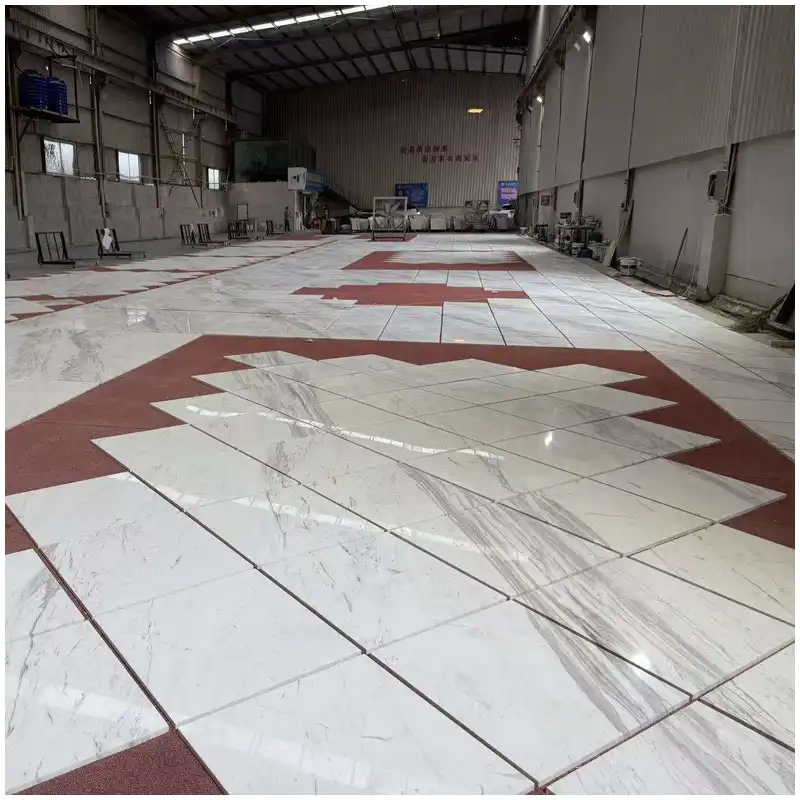
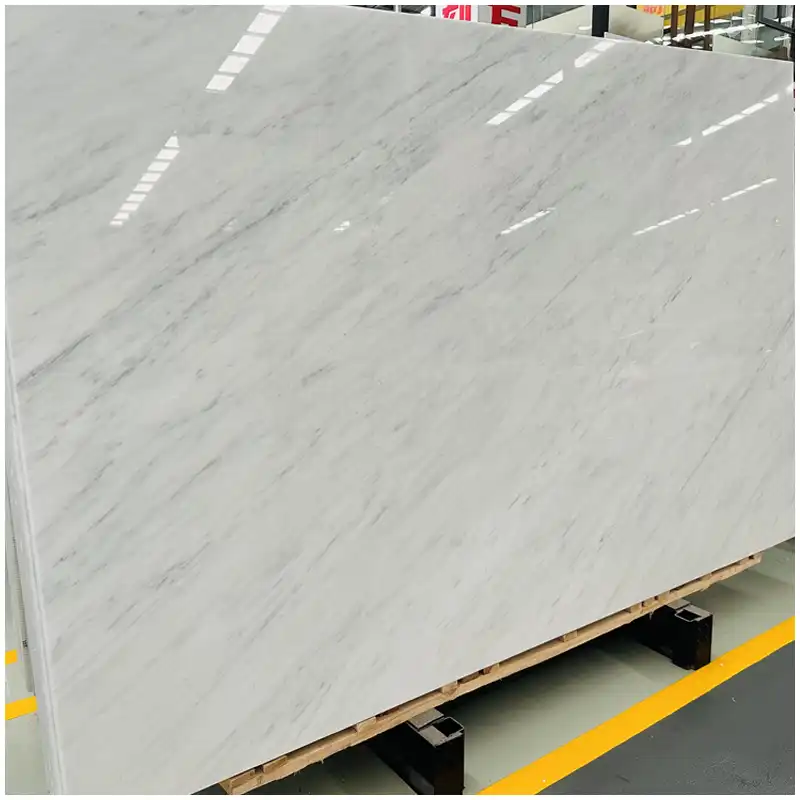
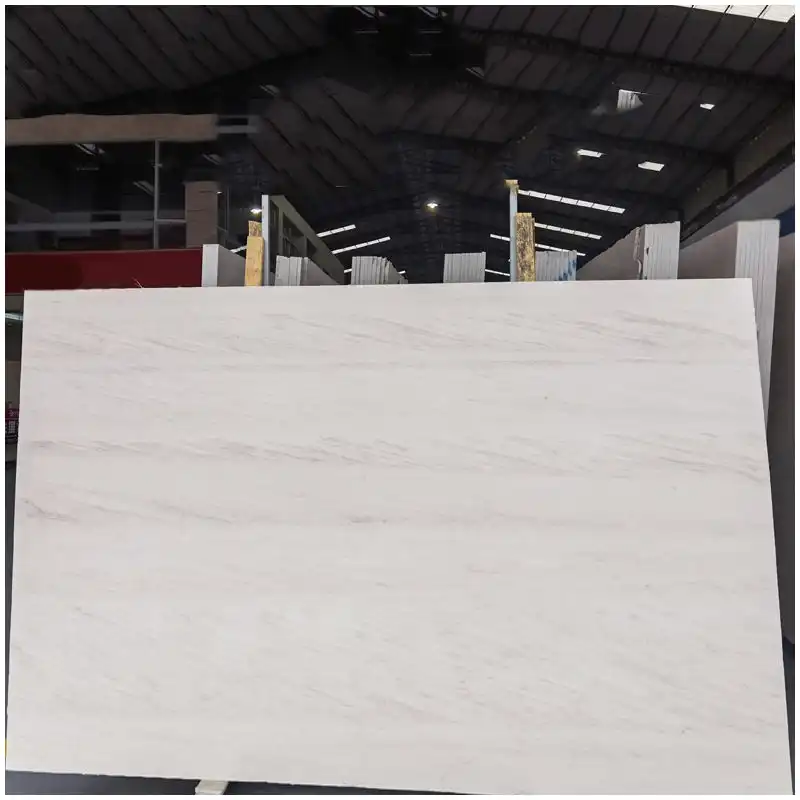
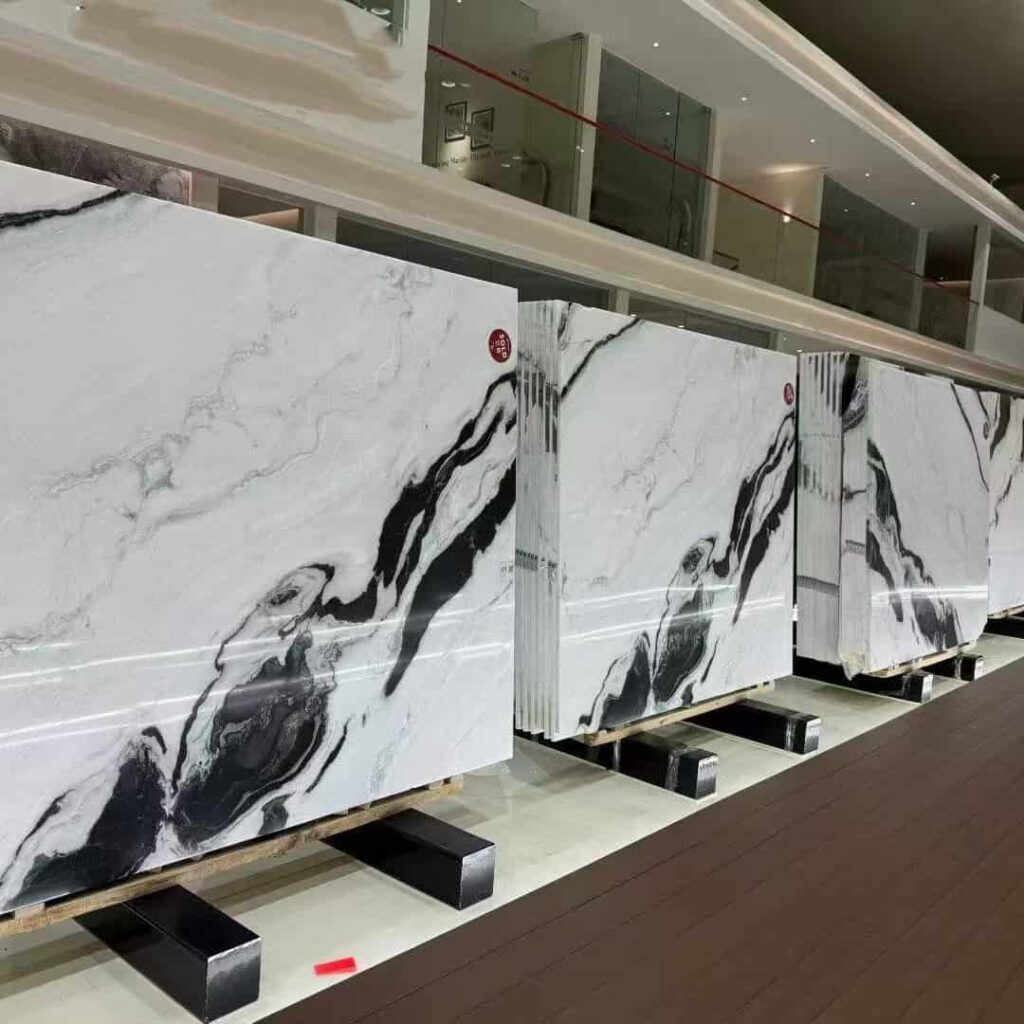
White marble remains the most reliable direction for bathrooms because it reflects light, feels clean, and pairs well with almost every fixture palette. But white can also turn clinical if it is handled badly. That is why a product like Chinese Panda White Marble works best when the homeowner wants a more dramatic white stone with stronger movement, not a blank white box.
For smaller bathrooms, the challenge is even sharper. Light stone can visually enlarge the room, but too much stark contrast or too little warmth can make the space feel cold. That is exactly why white marble tiles in small spaces is such a relevant topic. In 2026, the best small bathrooms are not just bright; they are bright with warmth—think brushed brass, pale oak, warm white paint, soft gray grout, or honed finishes instead of mirror-like polish.Is 2026 predictions about honed marble and artisanal-feeling materials fit this direction perfectly.
For mood and depth: green marble tiles
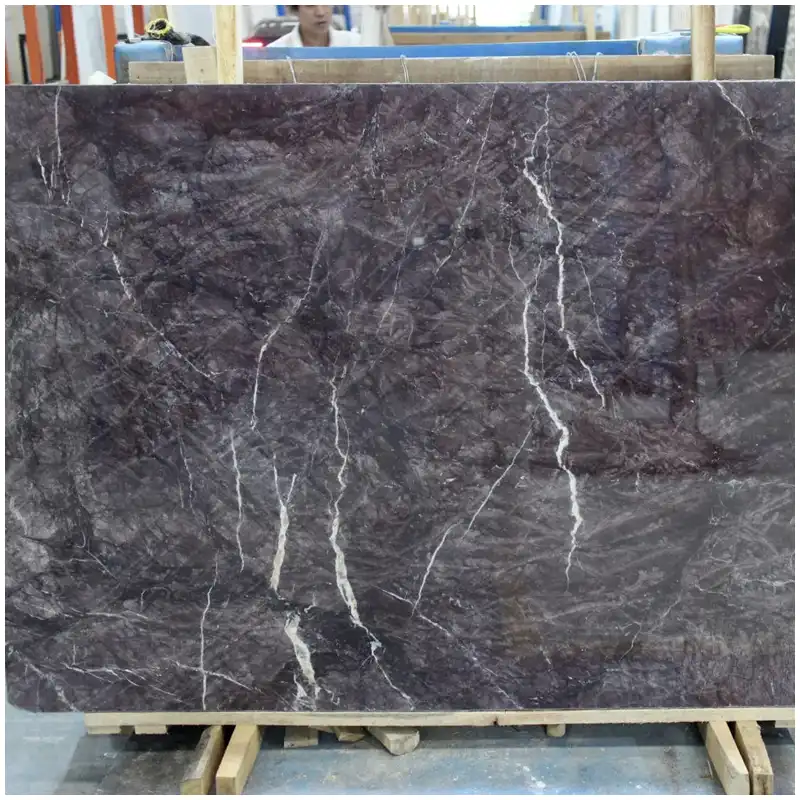
If white marble is the safe luxury choice, green marble is the confident one. Green marble works particularly well in powder rooms, vanity walls, shower accents, and bathrooms that want a more tailored, boutique-hotel mood. A product like Verde Alpi Marble Tiles is a strong example of this direction: richer, deeper, more character-driven, and especially effective when paired with darker woods, brass, or black details.
Green marble is not “too much” by default. It only becomes too much when every other element in the room also wants attention. The right way to use it is to let the marble carry the drama while cabinetry, mirrors, and lighting stay disciplined. ArchDaily’s marble-in-bathroom coverage makes a similar point in design language: marble can integrate beautifully with wood and contemporary geometry when the material palette is balanced rather than crowded.
|
|
|

Finish Matters More Than Most People Expect
Homeowners often choose marble by color and veining, then treat finish like a side note. That is backwards.
A polished finish gives more reflection and sharper pattern contrast, which can look extremely elegant on walls or vanity surfaces. But in wet flooring conditions, too much polish can become a practical concern. A honed finish often reads softer, warmer, and more current in bathrooms, especially in projects trying to achieve a spa-like atmosphere. Is 2026 design predictions specifically mention honed marble as part of a broader move toward materials that age gracefully and feel more tactile.
Finish also affects how “cold” the room feels visually. A glossy white marble can look formal and slightly hard; a honed white marble usually feels more relaxed and architectural. That is why finish selection should be treated as part of the design concept, not as a technical afterthought.
This is also where sourcing matters. A page like The Best Statuario White Marble Tiles Factory in China is relevant not just because of the material name, but because it reminds buyers that consistency, finish quality, and production discipline shape the final bathroom more than sample-board fantasy ever will.
Maintenance: The Part No One Wants to Hear, but Everyone Needs
Let’s be honest: people love marble until somebody mentions maintenance. Then the room gets quieter than a showroom on Monday morning.
The good news is that marble care is not mysterious. The Natural Stone Institute’s consumer-care guidance recommends neutral cleaners, stone soap, or mild dishwashing detergent with warm water, along with proper rinsing and avoiding acidic cleaners that can damage calcareous stone. Its stain guidance likewise points out that different stains need different approaches, and that harsh chemicals are not a magic shortcut.
The less-good news is that marble does ask the homeowner to behave like an adult. That means:
- wipe standing water when practical
- avoid aggressive cleaners
- use the right sealer if specified
- expect some patina over time in active spaces
That does not make marble a bad bathroom material. It makes it a natural one. If the homeowner wants zero-variation, zero-maintenance behavior, they probably do not want marble. If they want warmth, depth, and authenticity, then marble is still one of the strongest choices available.
How to Avoid the Three Most Common Bathroom Marble Mistakes
Mistake 1: Choosing tile by sample board only
Small samples lie. Or at least they flatter aggressively. Marble needs to be considered at room scale, under real lighting, with real grout, near real cabinetry.
Mistake 2: Ignoring room size and tone temperature
A small bathroom can benefit enormously from marble—but only when the tile tone and finish are chosen carefully. Too-cool white, too much contrast, or too many reflective surfaces can make the room feel colder than intended. This is why articles like how to make white marble tiles work in small spaces without looking cold are more useful than generic style inspiration. The room has to feel human, not just expensive.
Mistake 3: Treating all marble the same
Not all marble varieties behave, look, or age the same way. The Natural Stone Institute’s materials and testing resources make that clear: natural stone products vary, and physical properties should not be assumed without proper data or context.
A Better Way to Make the Final Decision
If you want a cleaner selection process, use this sequence:
Step 1: Start with the bathroom’s job
Is this your main family bathroom, a powder room, a showpiece primary bath, or a compact guest bath?
Step 2: Decide where marble should lead
Will marble be the floor hero, the wall hero, or a supporting material?
Step 3: Match the finish to the wetness level
Gloss for visual drama where appropriate; more tactile options where underfoot conditions matter more.
Step 4: Match the veining to the room size
Big dramatic movement often needs more visual breathing room. Smaller spaces usually do better with calmer patterns or more disciplined contrast.
Step 5: Choose a supplier that understands stone, not just stock names
That is where a specialist can save a project from avoidable mistakes.
A bathroom is a small room with unusually high design pressure. Tiny errors feel bigger there. Which is exactly why tile selection should be more thoughtful, not more impulsive.

Five Questions Homeowners Commonly Ask About Marble Tiles in Bathrooms
Are marble tiles good for bathroom floors?
Yes—if the finish, slip suitability, and application are chosen correctly. Marble can work beautifully on bathroom floors, but flooring decisions should consider wetness, maintenance expectations, and product-use classification. TCNA’s guidance around ANSI A326.3 matters here because it helps specifiers think more clearly about where different hard-surface materials are appropriate.
Do white marble tiles make a bathroom look bigger?
Usually yes, especially in smaller bathrooms, because they reflect light and keep the room feeling open. But “bigger” does not automatically mean “better.” If the tile is too stark or too polished and the rest of the room is not warmed up with wood, warm metals, or softer textures, the result can feel colder than intended. That is why tone and finish matter as much as brightness.
Is polished marble too slippery for a bathroom?
It can be the wrong choice for some wet floor applications. The smarter approach is not to ask whether polished marble is beautiful—it is—but whether it is the right finish for that specific floor zone. Use-case classification and surface-performance thinking matter more than showroom shine.
How hard is it to maintain marble bathroom tile?
It is manageable, but it does require appropriate care. Natural Stone Institute guidance recommends neutral cleaners, mild soap, careful rinsing, and avoiding acidic products. So no, it is not a nightmare. But it is also not a “spray anything on it forever” material.
Should I buy bathroom marble tiles from a general tile shop or a stone specialist?
For a project-level result, a stone specialist is usually the safer choice. Marble involves variation, finish quality, lot consistency, and application-aware selection. A specialist is more likely to help you choose the right tile for the bathroom rather than merely the most photogenic tile in a catalog.
The Bathroom Should Feel Better, Not Just Look Expensive
At the start of this article, the homeowner wanted a bathroom that felt bright but not cold, luxurious but not slippery, current but not trend-drunk.
That is exactly the right instinct.
The best Marble Tiles for a bathroom are not the ones with the loudest name or the flashiest veining. They are the ones that fit the room’s light, size, moisture level, finish logic, and maintenance reality. In 2026, that usually means choosing more thoughtfully: softer whites when the room needs lift, deeper greens when it needs mood, honed finishes when it needs warmth, and better sourcing when the project needs consistency.
And that is why the smartest next step is not to over-scroll bathroom inspiration until your brain turns into grout haze. It is to narrow the application, shortlist the right materials, and contact White Marble Granite before a beautiful sample turns into an annoying bathroom. That is not just good taste. It is good project management.
References
- White Marble Granite official materials, including the company page, marble stone category, product pages, and internal marble-tile guidance articles.
- Houzz Research, 2025 U.S. Houzz Bathroom Trends Study.
- Houzz, 5 Big-Picture Bathroom Trends Shaping Remodels in 2025.
- Houzz Pro, 2026 Home Design Predictions.
- NKBA, Year in Review: Top Kitchen & Bath Trends of 2025.
- Natural Stone Institute, Natural Stone Countertops: Considerations for Kitchen and Bath Applications.
- Natural Stone Institute, Care and Cleaning of Natural Stone.
- Natural Stone Institute, NSI Materials Test Laboratory and related testing resources.
- TCNA, Dynamic Coefficient of Friction and ANSI A326.3 resources.
- ArchDaily, From Monumental Ruins to Lavish Interiors: 18 Projects that Prove Marble Is a Timeless Material and The Contemporary Use of Marble in Bathroom Design.