Sourcing Calacatta Slabs: Proven Guide for Wholesalers 2026
Calacatta is a white marble quarried around Carrara in Tuscany, with a bright base and bold grey and gold veining. Like every natural stone it varies between blocks, between cuts and between lots, so the family name on a quotation is only where the decision starts. In a wholesale order the questions that matter are material: which lot, which boards inside it, and which record will stand for the tone the buyer approved.
Sourcing Calacatta slabs for warehouse stock, for a hotel program or for a fabricator who cuts countertops means approving boards as a lot rather than buying a family name. This guide stays with that material decision: the tone anchor a lot must meet, board selection and matching across the lot, numbered boards with a photo archive, retained and sealed samples, and replacement from the same lot. The finish approval and the project layout on individual boards are separate steps that follow the lot decision.

Table of Contents
- Why Sourcing Calacatta Slabs Is a Lot Decision
- Setting the Tone Anchor and the Vein Band for the Lot
- Selecting and Matching Boards across the Calacatta Lot
- Numbered Boards and the Photo Archive for Every Slab
- Retained and Sealed Samples from the Approved Lot
- Replacement Boards from the Same Lot
- The Documents That Travel with a Calacatta Lot
- Checking the Lot at Arrival against the Approved Boards
- When a Lot Dispute Needs Escalation
- Frequently Asked Questions
- Related Project Guides
- Final Conclusion
- References
Why Sourcing Calacatta Slabs Is a Lot Decision
A lot is a set of boards cut from the same blocks in the same production run, sharing one tone base and one vein character. For wholesale buyers, sourcing Calacatta slabs by the lot gives the order an honest unit of approval: the lot is what a supplier can reproduce, photographs can represent and a replacement can match. Ordering a family name without a lot is how a mixed batch arrives with a tone nobody approved.
The material decision made at this point covers the lot itself: how many lots the order may hold, how wide a tone and vein band each lot may span, which boards inside a lot belong together in the finished work, and what happens when a board fails. Once those points are written into the order file, the wider cycle of inquiry, payment and claims follows the steps in the Marble Slabs Procurement Guide 2026; this guide stays on the boards.
Setting the Tone Anchor and the Vein Band for the Lot
The tone anchor is the reference the whole lot is approved against: photographs of the actual boards in the offer, or a sealed sample slab, never a catalogue image. It should be dated and named with the lot code so both sides point to the same reference later. For a buyer sourcing Calacatta slabs more than once, past anchors also give a supplier a concrete benchmark for a new offer.
The vein band is the written range the lot may span: how light or dense the veining may run, how far the base tone may shift between the brightest and the quietest board, and how many filled fissures or resin repairs are acceptable and where they sit. A delivery can only be judged against a band that was written down; how wide the range of a white trade name can run is the subject of the Carrara marble slab grades guide. The order should also state how many lots it may contain, one for a matched set, with a stop before loading and written approval of the new lot whenever a second lot is needed.
Choosing which Calacatta look a project needs, from quiet fields to bold bookmatched panels, is the separate material step covered in the Calacatta marble slabs guide. The job here is narrower: holding one defined lot to the band it was approved against.
Selecting and Matching Boards across the Calacatta Lot
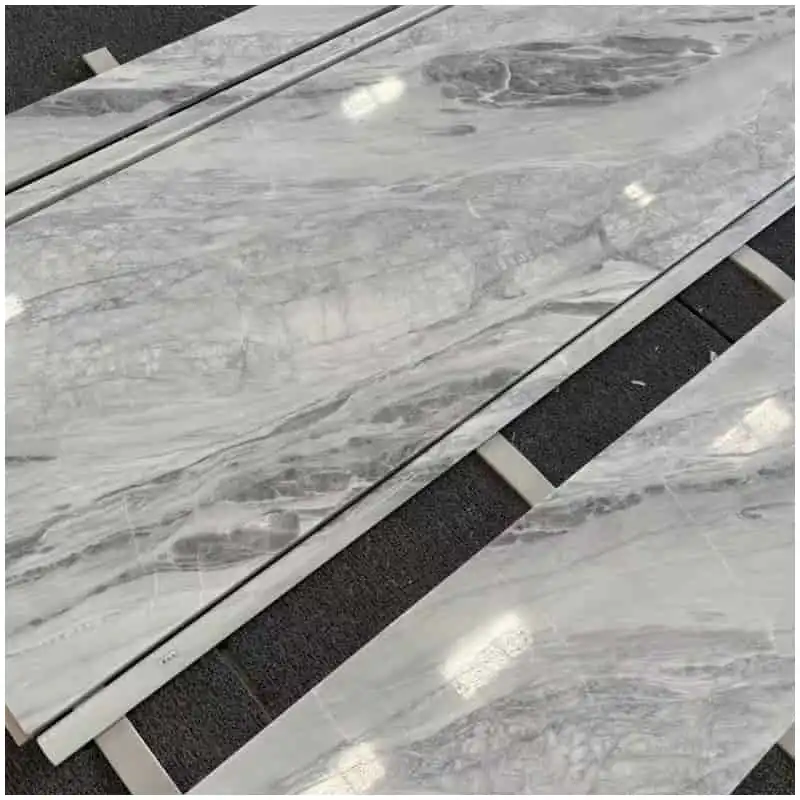
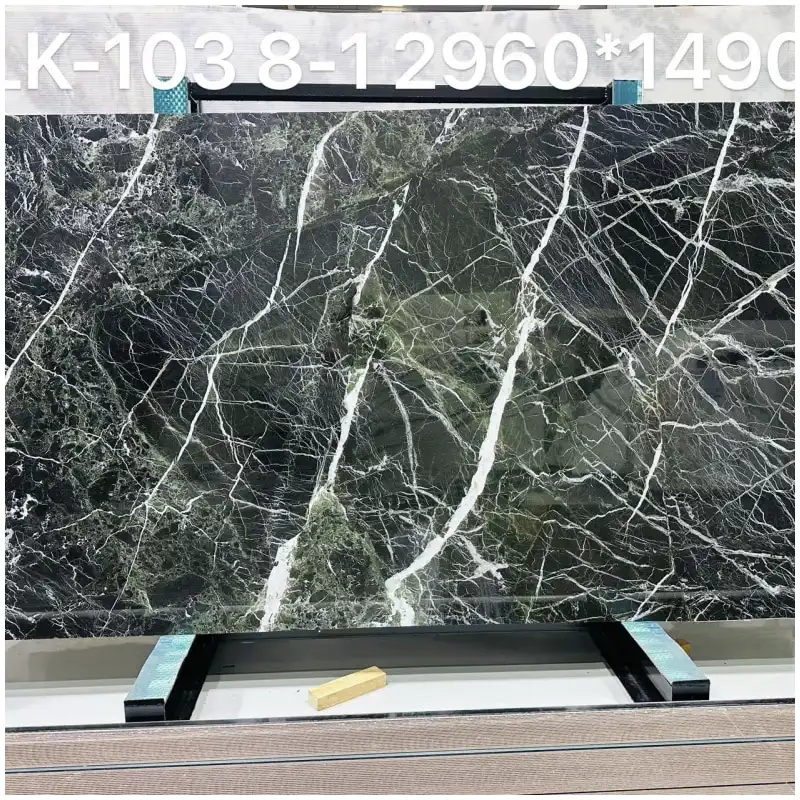
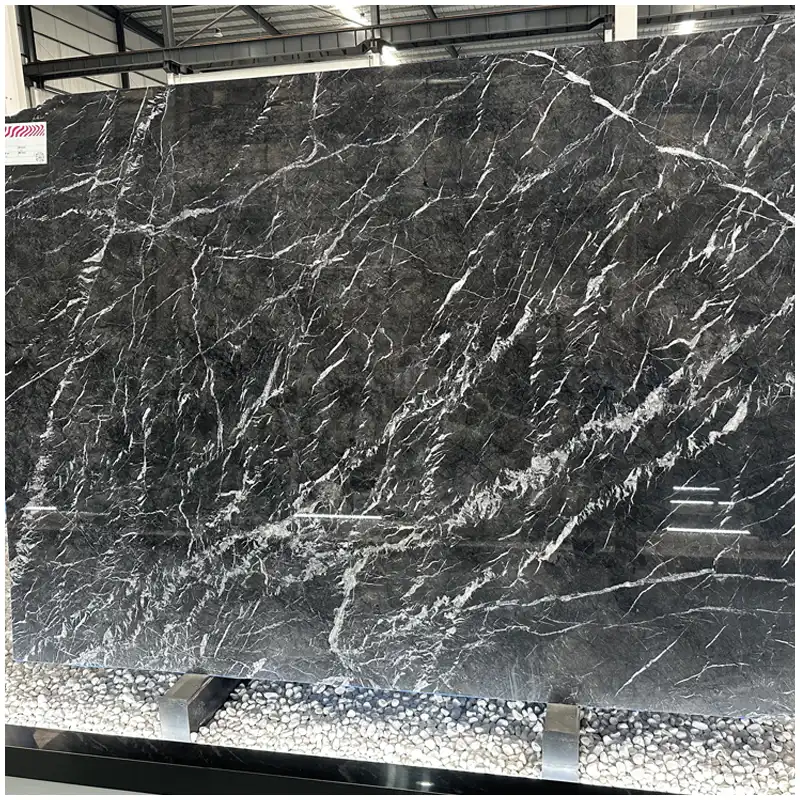
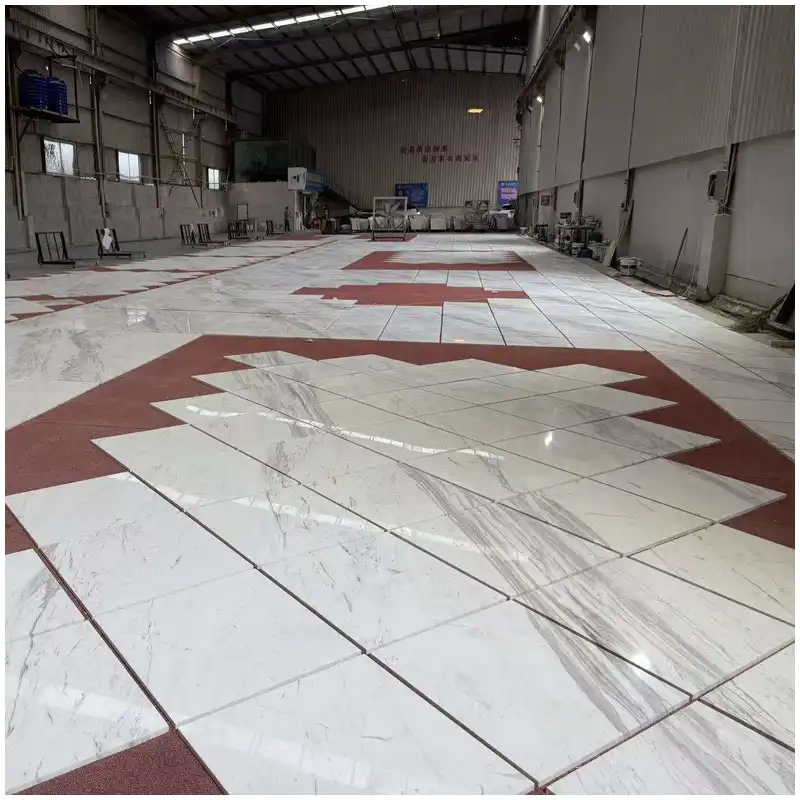
Board selection is where the lot becomes a layout. The buyer walks the boards of one lot with the cutting list: which board carries the island, which carries the quieter run, and which two boards mirror across a seam. Veining direction decides yield as much as dimensions do, because a piece that wants the vein along its full length takes the board that way, and the brighter boards belong on the surfaces that face the room while the softer ones suit pantries and cutouts. The same lot discipline applies across the white range, from a bold Calacatta order to quieter Statuario Bianco marble slabs и lilac white marble slabs, because every natural white varies board to board.
Matched Pairs Stay Whole
A bookmatched pair is two boards from the same part of the lot that mirror across a seam, and it is the part of the order most easily destroyed. Once two boards are split between different orders or different containers, the match is gone and no later selection rebuilds it. The order should name matched pairs by board number so the saw never separates them, and the pair should be photographed together, because a seam is judged on two boards side by side, not on either alone. For anyone sourcing Calacatta slabs for matched work, the pair is decided at the lot, never at the saw.
Spare Boards, Yield and the Price of the Lot
A little spare area belongs in the same decision. Ordering one or two extra boards from the same lot protects a bookmatch or a long run that cannot afford a failed board, and the spares should be numbered and photographed like the rest so they stay part of the archive. Grade, yield, finish and selection range move what a matched program costs.

Numbered Boards and the Photo Archive for Every Slab
Numbering makes the lot checkable. Every board in the lot takes a number at the yard, written on the board, on the packing list and in the archive before crating, and every later check uses that number. A tone question means nothing until it names a board, a fabricator who cuts board 14 can open the photo of board 14, and an installer who questions a vein can be shown the board as it left the lot.
The archive entry for each board carries one photo in dry condition under neutral light, with the board number and a scale in frame, plus close shots of accepted fills and edge details. The archive is the shared record for supplier, buyer, reseller and fabricator, and the same discipline keeps traceable stock across the marble slabs range and the wider marble stone category once boards leave the original lot.
For resale stock, the archive is the part of sourcing Calacatta slabs that keeps working after the first sale: photo and number travel with the board, so the next buyer approves the same evidence.
Retained and Sealed Samples from the Approved Lot
A sealed sample fixes the tone intent of the lot. When the deal includes one, the sample should come from the lot itself, be signed and dated by both sides at approval, and travel with the order file as the physical reference for the arrival check. Sealing the reference at approval settles the oldest argument in sourcing Calacatta slabs: what the approved tone actually was.
A sample has limits, and the order file should say so. A small sealed piece shows base tone but not how a full board carries a vein or where a fissure sits, so the photos of the numbered boards stay the working record and the sample is the tone referee. Buyers should also keep a small retained piece from the delivered lot after fabrication, so a later repair or an extension has something real to match.
Replacement Boards from the Same Lot
Replacement belongs in the order at the same moment as the tone anchor, and it should come from the same lot. The clause should name the triggers: a board damaged in transit or failed at the arrival check inside the claim window is replaced from the same lot, with the timing and the freight written down. Many buyers first think about replacement after a board breaks, yet sourcing Calacatta slabs with a replacement rule is decided at the order, while the lot still exists.
When the lot is closed and the same batch is gone, the clause should fall back to a tone-matched board from current stock, selected against the approved photos and approved in writing before it ships. A reserve is the cheaper answer: holding one or two numbered boards from the lot back from the main program. Keeping batch tone available after the original program is fabricated is the subject of the white marble replacement stock guide.
The Documents That Travel with a Calacatta Lot
Sourcing Calacatta slabs ends with few documents once the material decision is written: a commercial invoice that names the lot code, a packing list that names every board number, and a bill of lading, with insurance terms that match the delivery terms agreed in the order. Wood packaging that travels with the lot carries the ISPM 15 mark where the destination requires it. Claims are handled inside the window written into the order, so a board checked against its photo on arrival is the evidence a claim needs.
Checking the Lot at Arrival against the Approved Boards
Arrival is where sourcing Calacatta slabs meets the claim window, and the check should finish inside it. Count first, then match every board to its number, inspect it in dry condition under neutral light against the approved photo and the sealed sample, and photograph any finding with the board number visible the same day. Boards that pass become stock with their archive attached; boards that fail move to the replacement clause, apart from sellable stock, until the remedy is written.
Which party carries a loss in transit depends on the delivery terms agreed and the insurance arranged under them, so the task on arrival is the evidence: numbers, photos and a report inside the window.

When a Lot Dispute Needs Escalation
Most lot questions settle against the tone anchor, the archive and the written band. When they do not, the order terms should already name who can authorise a remedy and the deadline that applies. A fixed sequence keeps the file usable and the decision reversible:
- Make the evidence file while the boards sit untouched. Photograph the boards in dry condition with numbers visible, pull the approved photos and the sealed sample for those numbers, and write down what was promised against what arrived.
- Put the affected boards on hold before anything is cut or sold. Move them off the sellable floor and out of any fabrication queue, and notify the supplier in writing with board numbers and photos inside the claim window.
- Ask one question and set a written deadline. Send the file to the person authorised to approve the remedy, replacement, adjustment or return, and name the date by which the answer is needed.
Frequently Asked Questions
1. What should I include in a Calacatta slab inquiry as a wholesaler?
The inquiry should carry the material decision, not just sizes and quantities: the tone anchor the lot will be approved against, approved board photos or a sealed sample, the vein band the lot may span, how many lots the order may hold, and the numbering, archive and same-lot replacement rule expected. Sourcing Calacatta slabs wholesale works when every condition the buyer would reject a board for is on that list.
2. How do I write batch consistency into a Calacatta slab order?
Name the lot in the order, by block source and production window or by the supplier’s lot code, and state how many lots the order may contain. A matched set that needs one lot should stop the supplier before loading a second and require written approval of the new lot. The remedy for a mixed or undisclosed batch, rejection, adjustment or replacement from the same lot, belongs in the same terms, so sourcing Calacatta slabs as one matched lot stays enforceable.
3. Why does every Calacatta slab need a number and a photo?
Numbers and photos give a tone question a target: a complaint means nothing until it names a board, and the archive lets supplier, buyer and fabricator look at the same slab. Sourcing Calacatta slabs for resale works the same way, because the next buyer approves from the same numbered record.
4. Which documents should travel with a Calacatta slab container?
The commercial invoice carries the lot code, the packing list names every board number, and the bill of lading and the insurance terms match the agreed delivery terms. Wood packaging that travels with the container carries the ISPM 15 mark where the destination requires it. The claim window in the order decides how fast the arrival check must finish.
5. What is the QC handover when I resell Calacatta slabs to a fabricator?
The handover is where the lot record becomes the fabricator’s file: board numbers, approved photos, the sealed sample reference, the finish family and the repair notes travel with the boards. The fabricator checks the delivery against that file before cutting, and the same archive answers a client who later questions a vein.
Final Conclusion
Sourcing Calacatta slabs for wholesale or fabrication is decided at the lot: the tone anchor the boards must meet, the matched pairs that stay whole, the numbering and photo archive that follow each board, the sample sealed at approval and the same-lot replacement rule. Once the material decision is in the order file, the delivery is checked against it board by board before the boards move on to finish approval and project selection. The file a buyer keeps from sourcing Calacatta slabs is the reference every later conversation about tone and veining points back to.
References
- Мрамор от Карара, Wikipedia.
- Natural Stone Institute, Dimension Stone Design Manual (selection, fabrication and installation guidance for natural stone)
- ASTM C503/C503M, Standard Specification for Marble Dimension Stone
- ASTM C97/C97M, Standard Test Methods for Absorption and Bulk Specific Gravity of Dimension Stone
- ASTM C170/C170M, Standard Test Method for Compressive Strength of Dimension Stone
- ASTM C880/C880M, Standard Test Method for Flexural Strength of Dimension Stone
- ASTM C119, Standard Terminology Relating to Dimension Stone
- ASTM C1528/C1528M, Standard Guide for Selection of Dimension Stone
- International Standards for Phytosanitary Measures No. 15 (ISPM 15), Regulation of Wood Packaging Material in International Trade