



Quick Summary
Moca Cream Limestone is a Portuguese beige limestone recognized for its restrained cream color, fine parallel grain, and occasional shell or fossil details. The material is used as large slabs, limestone tiles, wall panels, flooring, stairs, facade pieces, and other cut-to-size architectural components for hotels, offices, villas, bathrooms, and commercial interiors.
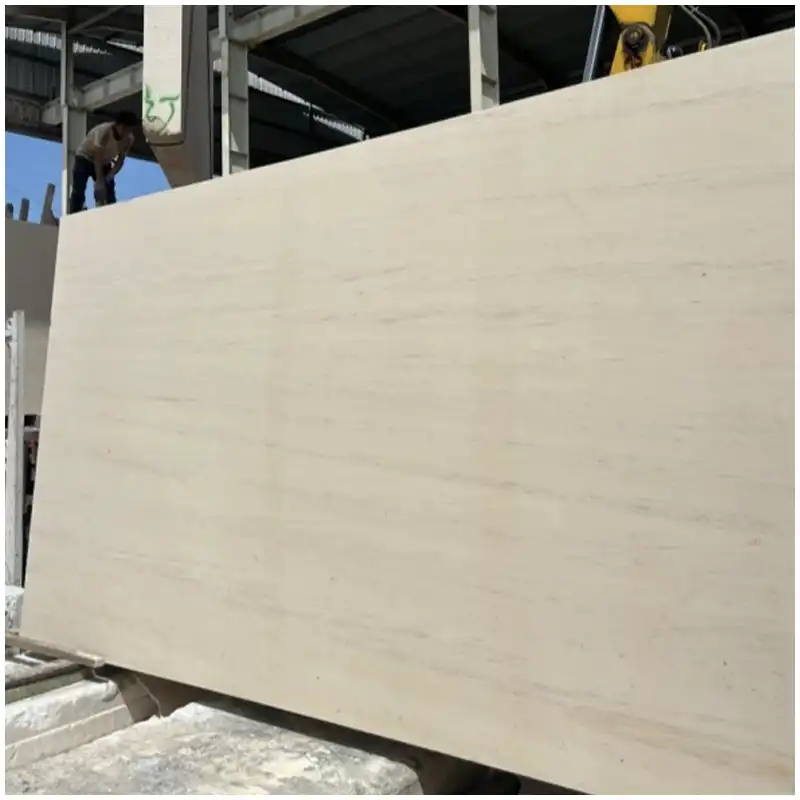
Its visual strength is consistency rather than dramatic veining. Honed surfaces keep the beige grain quiet and architectural, while polished or textured finishes shift the stone toward more reflective interiors or exterior cladding. Large elevations benefit from keeping the linear grain direction consistent across adjacent panels.
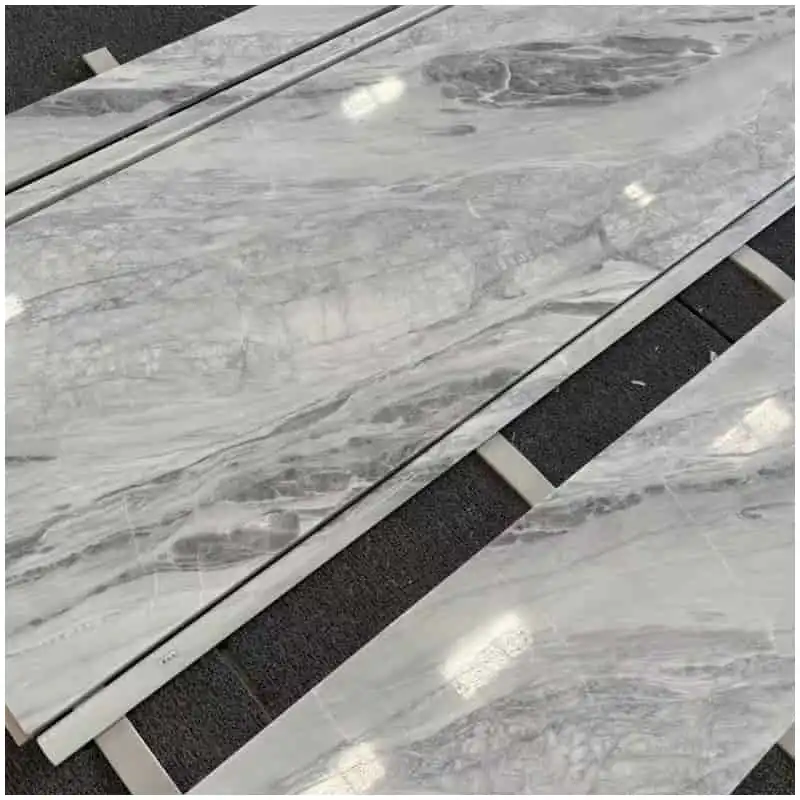
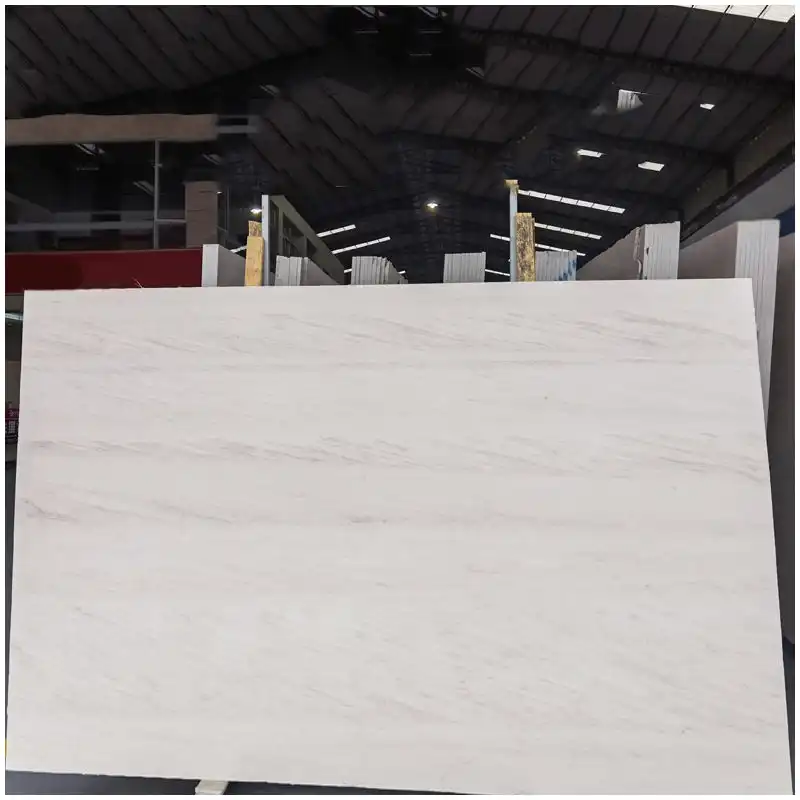
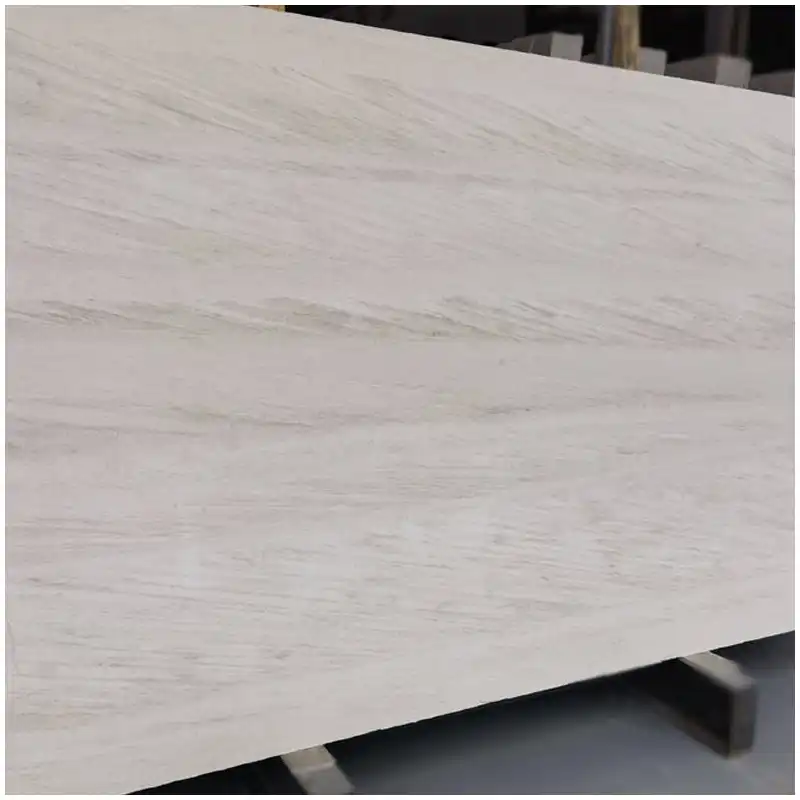
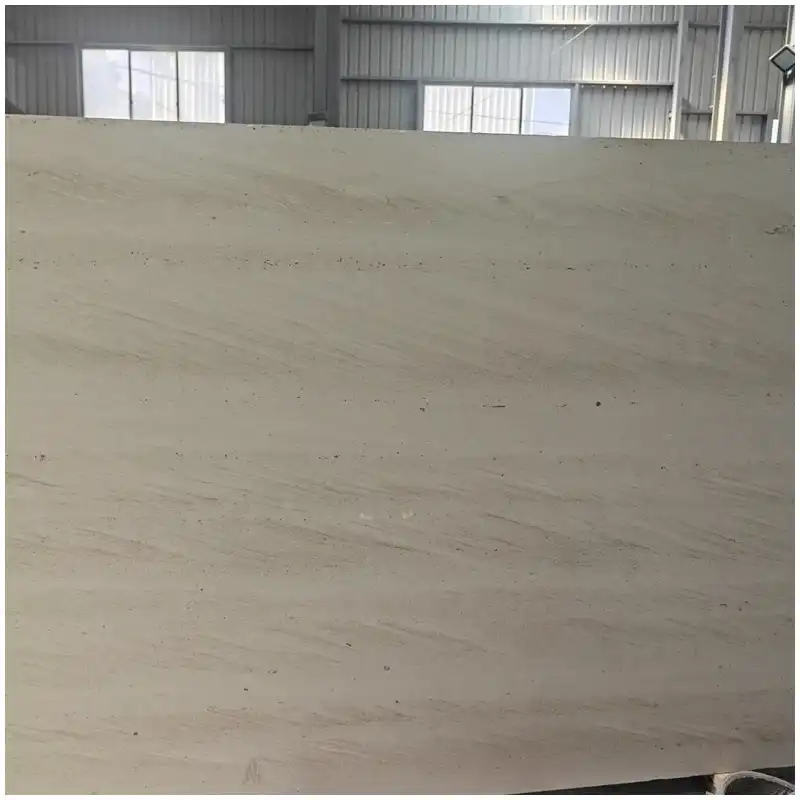
Jumbo slab view showing the long linear grain, cream-beige tone, and calm surface character that define Moca Cream Limestone.
Moca Cream Limestone for Office Walls, Hotel Flooring, Villa Cladding, and Cut-to-Size Projects
Moca Cream Limestone has a visual rhythm that is more linear than cloudy. Fine beige grain runs across the slab in a controlled direction, producing long architectural lines when panels or tiles are installed consistently. This makes the stone especially useful where the design calls for a warm neutral surface without the strong movement of marble or the open pore structure of travertine.
The material can be fabricated as limestone slabs, Moca Cream Limestone tiles, wall cladding panels, floor pieces, stair components, window sills, coping details, vanity surrounds, and other custom architectural elements. Its cream-beige color works well with glass, bronze, brushed metal, oak, walnut, off-white plaster, warm grey concrete, and restrained commercial interior palettes.
- Fine parallel grain gives large wall elevations a controlled horizontal or vertical rhythm.
- Honed surfaces create a low-glare matte appearance for offices, hotels, corridors, and residential interiors.
- Slab, tile, and cut-to-size formats allow the same material language to continue across walls, floors, stairs, and architectural details.
Jumbo Slab and Honed Slab Appearance: Fine Grain, Beige Tone, and Natural Shell Detail
Moca Cream is valued for a comparatively calm beige field, but it is still natural limestone. Grain density, small shells, pale fossil marks, and slight tonal movement can change from slab to slab. Honing softens reflection and makes the linear structure easier to read across large surfaces. For a wall elevation, panels cut with the grain aligned in one direction create a more ordered result; rotating pieces randomly can make the installation look visually broken even when the color itself is consistent.
Material Identity: Portuguese Beige Limestone with a Distinct Linear Grain
Moca Cream Limestone is quarried in Portugal and belongs to the established family of Portuguese beige limestones. In project documents it may also be written as Moca Creme Limestone or shortened to Moca Limestone. The key visual distinction is its fine directional grain rather than broad clouding or high-contrast veins.
The cream-beige ground is usually quiet enough for large commercial surfaces, while small shell and fossil features keep the material recognizably natural. That balance suits office buildings, hotel circulation spaces, residential walls, bathrooms, and facade applications where the stone needs texture at close range but should remain calm from a distance.
Moca Cream Limestone Specification for Slabs, Tiles, Wall Panels, and Flooring
| Nombre del producto | Moca Cream Limestone |
| Related Names | Moca Creme Limestone / Moca Limestone |
| Material | Natural beige limestone |
| Origen | Portugal |
| Color Character | Cream-beige base with fine parallel grain and occasional natural shell or fossil details |
| Formas del producto | Large slabs, limestone tiles, wall panels, flooring pieces, stairs, sills, coping, and custom cut-to-size components |
| Finish Direction | Honed and polished for interior work; textured exterior finishes by approved sample and project requirement |
| Talla | Jumbo and standard slabs, modular tiles, and custom cut-to-size formats according to current stock and approved drawings |
| Espesor | Selected according to slab availability, finished-piece size, installation method, and project engineering requirement |
| Aplicaciones principales | Office building walls, hotel interiors, villa cladding, floors, bathrooms, stairs, exterior facades, and architectural trim |
Honed, Polished, and Textured Finish Selection for Interior and Exterior Limestone
Finish changes both the appearance and the practical behavior of beige limestone. A honed surface keeps Moca Cream Limestone muted and contemporary, making the fine grain visible without strong reflection. Polishing deepens the cream tone and can suit decorative interior walls or lower-traffic feature surfaces. Exterior work normally requires a more project-specific review because slip, drainage, weathering, fixing method, and local exposure matter more than gloss.
- Acabado pulido: matte, low-glare direction for office walls, hotel corridors, bathrooms, floors, and residential interiors.
- Pulido: stronger color depth and reflection for selected interior walls, decorative panels, and architectural details.
- Sandblasted or other textured finishes: review for exterior walking surfaces, facade details, landscape pieces, or areas where more surface grip is required.
- Edge and joint finish: coordinate exposed edges, returns, corners, sills, and panel joints with the visible grain direction rather than treating them as separate details.
Office Building Wall Cladding: Panel Grain, Joints, Returns, and Fixing Review
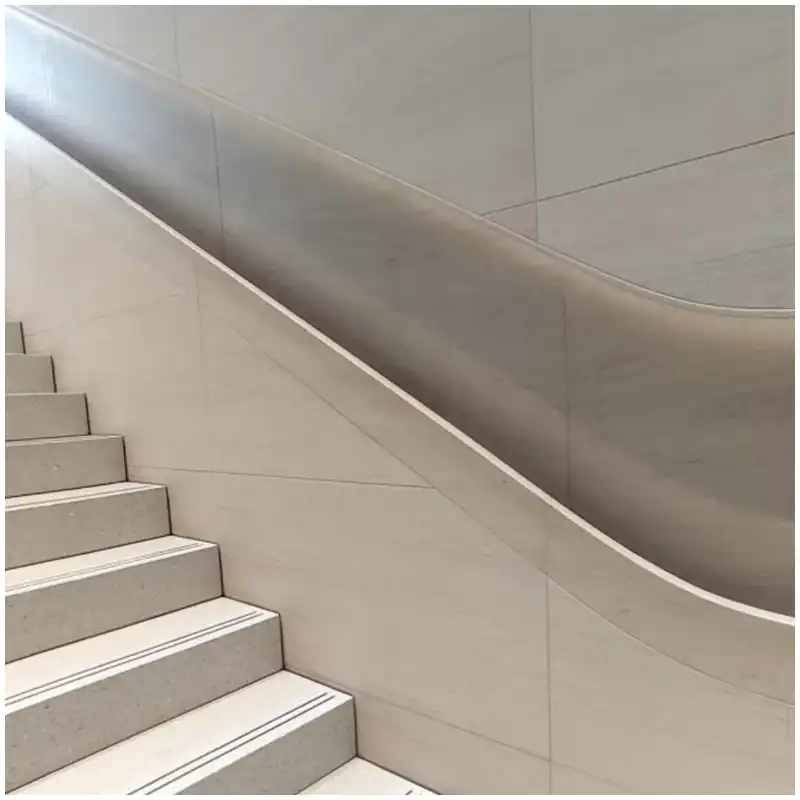
Office and commercial wall projects use Moca Cream Limestone effectively because its fine grain can extend across large elevations without dominating the architecture. The visual result depends on panel orientation. A consistent grain direction can stretch the wall horizontally or increase its apparent height when installed vertically.
Facade and interior wall specifications should coordinate panel dimensions with structural joints, window openings, corner returns, sill pieces, edge conditions, and the selected fixing system. Exterior elevations also need substrate, anchor, drainage, weather exposure, sealant joint, and movement-joint review. These engineering decisions belong to the facade specification; the stone finish alone does not determine exterior suitability.
Moca Cream Limestone Tiles for Floors, Bathrooms, Stairs, and Interior Wall Packages
Moca Cream Limestone tiles can carry the same linear stone language from wall panels into flooring and stair components. On floors, the grain can run with the main circulation axis, across a corridor, or in alternating modules depending on the intended visual rhythm. Large open spaces normally look calmer when the grain direction is planned instead of mixed randomly.
Bathroom walls, dry-area floors, stair treads, risers, sills, and vanity surrounds need a finish and detailing package suited to the use area. Wet walking zones require slip review; bathrooms need waterproofing and suitable sealing; stairs need nosing, thickness, and edge protection; and floor fields need substrate flatness, grout-joint, movement-joint, and installation planning. Limestone is not a maintenance-free ceramic substitute, so these details matter to the finished surface.
Factory Support, Grain Matching, Inspection, and Packing for Moca Limestone Projects
For Moca Limestone wall and floor packages, factory control is most useful when it protects the approved visual sequence. Slab and tile selection can be grouped by beige tone, grain density, shell content, and finish before pieces are assigned to elevations or rooms. Cut-to-size components can then be checked against the drawing rather than treated as unrelated pieces.
- Current slab and tile photo review for tone, grain, visible shells, surface condition, and usable area.
- Cut-to-size review for panel dimensions, grain direction, returns, stairs, sills, coping, and edge details.
- Dry-lay or elevation sequence review where adjacent grain direction materially affects the design.
- Dimensional and visible-face inspection before packing.
- Piece, room, elevation, and crate labeling so the production sequence remains understandable on site.
Common Specification Mistakes with Moca Cream Limestone
- Mixing grain directions across one large wall or corridor without an intentional layout pattern.
- Treating Portugal Beige Limestone as an exact synonym for Moca Cream without checking the actual material selection and grain character.
- Choosing a polished finish for wet or exterior walking areas without slip review.
- Starting facade cutting before panel joints, returns, windows, anchors, and fixing details are coordinated.
- Ignoring natural shell or fossil markings and expecting every piece to look like a uniform manufactured tile.
- Using acidic cleaners or aggressive construction chemicals on finished limestone surfaces.
Care, Sealing, and Cleaning for Beige Limestone Surfaces
Moca Cream Limestone is a calcium-based natural stone. Use a pH-neutral stone cleaner and avoid vinegar, lemon-based products, acidic bathroom cleaners, strong descalers, and abrasive pads that can etch or dull the surface. Sealing should be selected according to finish, exposure, stain risk, and installer recommendation.
During installation, protect honed or polished faces from grout residue, adhesive contamination, metal dust, paint, dragged equipment, and standing liquids. Exterior walls and paving need cleaning and maintenance procedures that account for local weather, drainage, pollution, and joint condition. Interior floors should be maintained with neutral cleaning products and entrance matting where grit is likely to be tracked onto the stone.
FAQs About Moca Cream Limestone
What is Moca Cream Limestone?
Moca Cream Limestone is a natural Portuguese beige limestone with a cream-colored background, fine directional grain, and occasional shell or fossil details. It is processed into slabs, tiles, wall panels, flooring, stairs, sills, facade pieces, and other cut-to-size architectural components.
Is Moca Cream Limestone from Portugal?
Yes. Moca Cream Limestone is a Portuguese limestone and is widely associated with Portugal’s established beige limestone production. In quotations and sourcing documents, Moca Creme Limestone and Moca Limestone are also common naming variations.
Is Portugal Beige Limestone the same as Moca Cream Limestone?
Not automatically. Moca Cream is a specific Portuguese beige limestone direction with recognizable fine linear grain. Portugal Beige Limestone is a broader sourcing description that can refer to other beige limestones from Portugal, so the actual material name, grain, color, and slab selection should be checked rather than treating the terms as exact synonyms.
Which finish works well for Moca Cream Limestone wall cladding?
Honed finish is a strong architectural choice for office walls, hotel interiors, residential cladding, and other low-glare surfaces because it keeps the cream-beige grain visible without strong reflection. Polished or textured finishes can also be reviewed according to the location, lighting, weather exposure, and design intent.
Can Moca Cream Limestone tiles be used for flooring?
Yes. Moca Cream Limestone tiles can be used for interior floors and selected exterior paving applications when the finish, thickness, substrate, slip requirement, drainage, movement joints, and local exposure are suitable for the project. Grain direction should also be planned for large floor fields.
Does Moca Cream Limestone contain natural shells or fossils?
It can show occasional shell or fossil markings within the fine beige grain. These features are part of the natural sedimentary character of the stone and can vary across slabs and cut pieces.
Can Moca Cream Limestone Slab be cut to custom project sizes?
Yes. Moca Cream Limestone Slab material can be fabricated into wall panels, floor tiles, stair pieces, sills, coping, facade details, and other cut-to-size components. Finished dimensions, edge details, grain direction, installation zone, and shop drawings should be defined for the specific project.
Recommended Limestone Products from Esta Stone
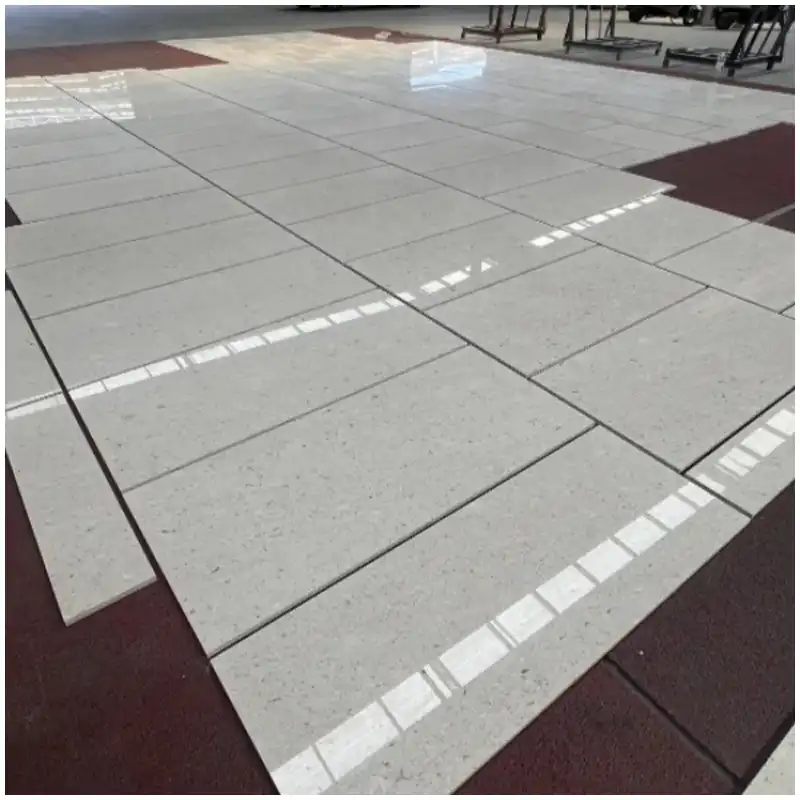
Plano Limestone Tiles
Cream-ivory Croatian limestone tiles with fine grain and natural fossil fragments for hotel floors, villa cladding, patios, pool surrounds, and stairs.

Abalone Limestone
A natural limestone option for architectural wall, floor, and cut-to-size applications where designers want to compare a different stone texture with neutral limestone schemes.

Splitface Limestone Tiles
Textured natural limestone tiles for interior and exterior wall cladding, feature surfaces, office buildings, villas, bars, and commercial facades.
Request Moca Cream Limestone Slab Photos, Finish Options, and Project Quotation
Send the project details that affect product form, finish, fabrication, and site use so the quotation can match the actual office, hotel, villa, facade, floor, stair, or bathroom package rather than a generic limestone reference.
- Application: interior wall, exterior facade, floor, stair, bathroom, sill, coping, or other cut-to-size work
- Required slab, tile, panel, or finished-piece quantity and dimensions
- Thickness, honed / polished / textured finish direction, and grain orientation
- Elevations, shop drawings, returns, edges, joints, fixing method, or floor layout where applicable
- Need for sample review, slab photos, dry-lay, inspection, piece labels, packing sequence, destination port, and project schedule
| Request Moca Cream Limestone Quote | View Limestone Collection |