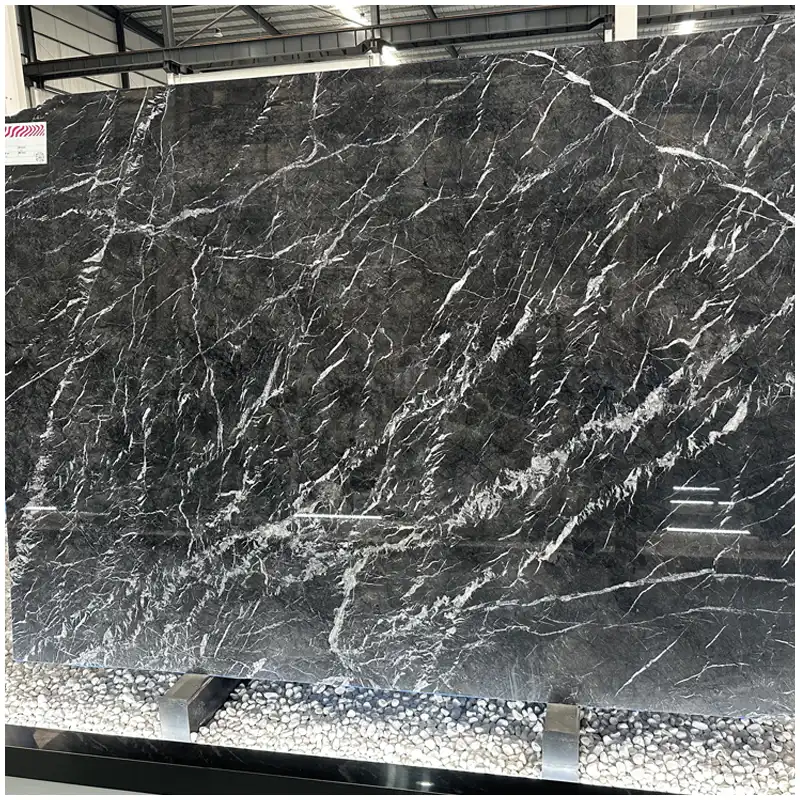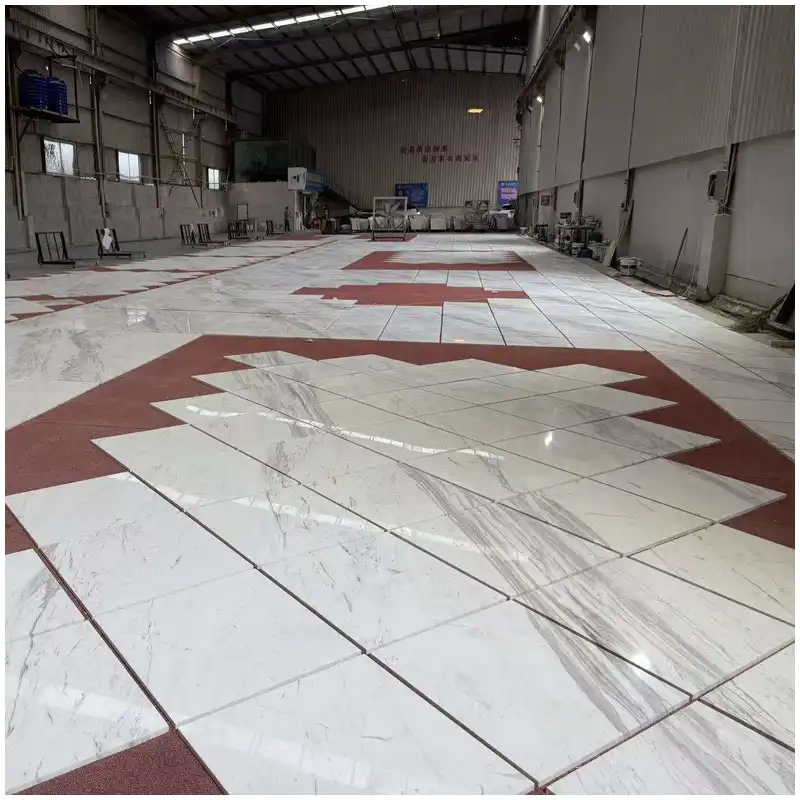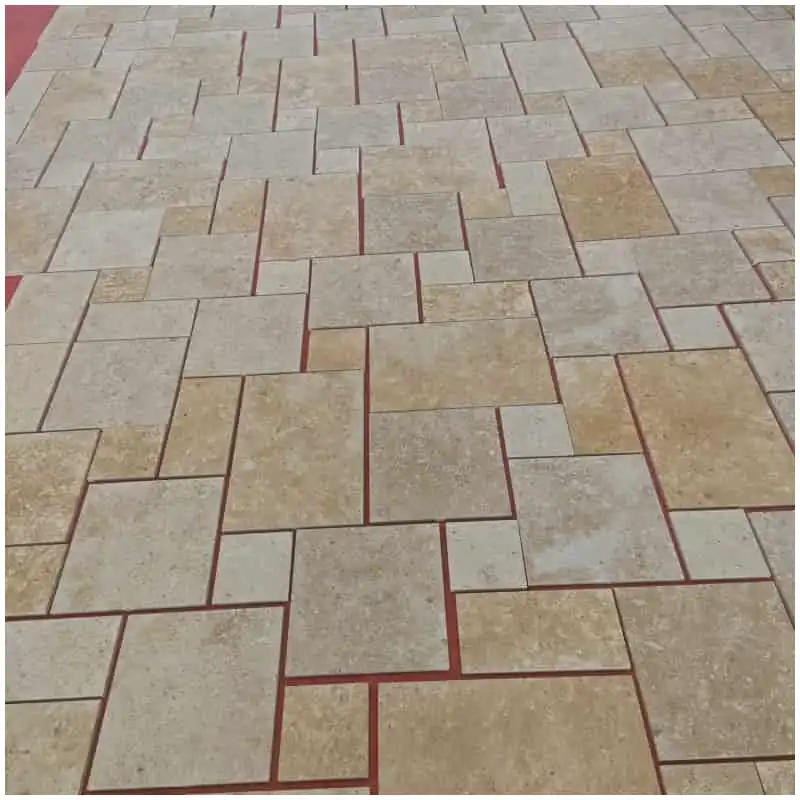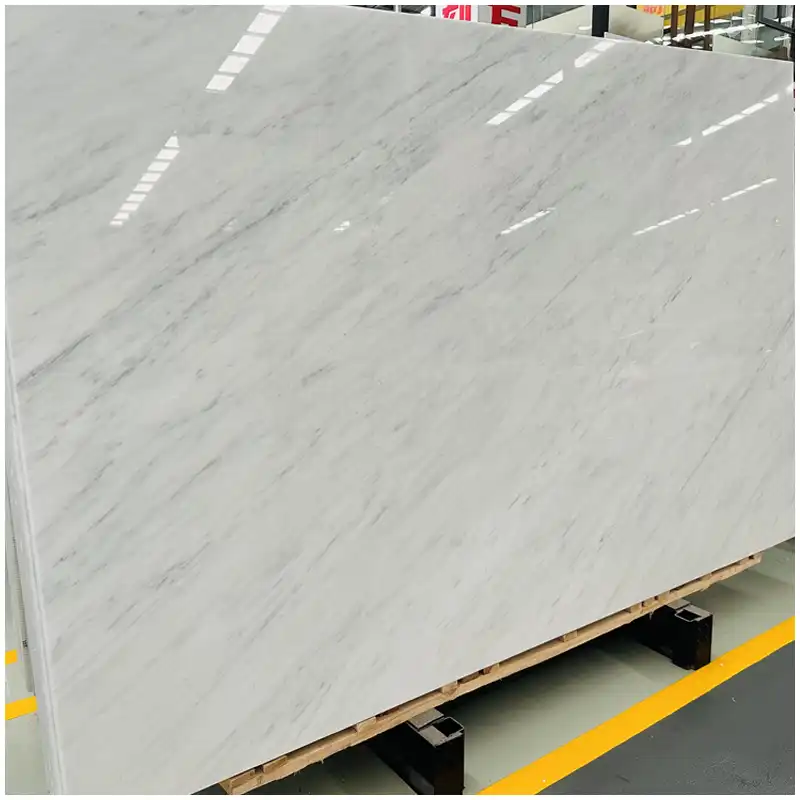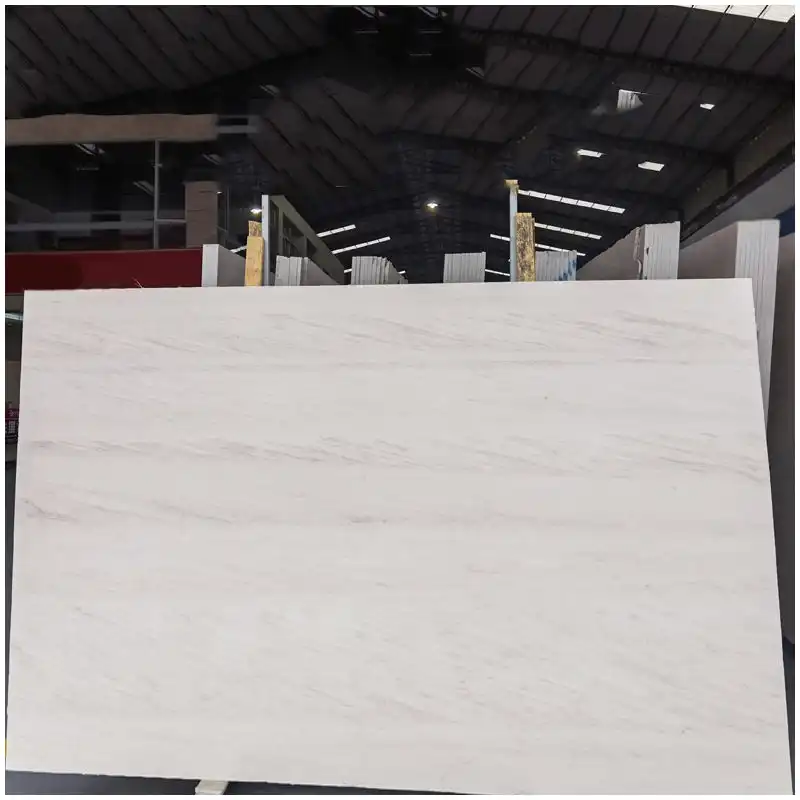
Korkealuokkaisen arkkitehtuurin suunnittelun maailmaa ohjaavat materiaalit, jotka kertovat geologisesta historiasta, vertaansa vailla olevasta kauneudesta ja eksklusiivisesta harvinaisuudesta. Vuosisatojen ajan prestiisisimmät asuinalueet, luksushotellien aulat ja globaalit yritysjohdot ovat luottaneet luonnonkiviin viestimään pysyvyyden ja äärimmäisen hienostuneen ilmapiirin tunnetta. Nykyajan maailmassa, jossa synteettiset jäljitelmät ja keinojalokivet yrittävät matkia orgaanista estetiikkaa, aito luonnon mestariteos jatkaa olemassaoloaan erillisessä sarjassaan. Se ei ole pelkästään rakennemateriaali, vaan geologinen taideteos, joka on muodostunut miljoonien vuosien aikana äärimmäisen kuumuuden ja paineen alla maankuoressa.
Arkkitehtien, sisustussuunnittelijoiden ja B2B-hankintaspecialistien on ymmärrettävä geologiset alkuperät, fyysiset ominaisuudet ja toimitusketjun dynamiikka, jotta he pystyvät navigoimaan laajassa ja usein hämmentävässä luonnonkivimarkkinassa. Oikean palan tai levyn valinta on suuri riski. Kun halutaan integroida ensiluokkainen marmorikivi projektiin, on ymmärrettävä, että kaikki valkoiset marmorit eivät ole samanlaisia. Erotus kaupallisen luokan kivien ja investointiluokan ylellisten pintojen välillä piilee mineraalikoostumuksen yksityiskohdissa, suonetuksissa ja eettisissä louhintamenetelmissä.
Tämä kattava opas on suunniteltu antamaan ostajille juuri sellaista tieteellistä, esteettistä ja logistista tietoa, jota tarvitaan planeetan halutuimman luonnonkiven hankkimiseen, määrittämiseen ja ylläpitämiseen. Kun opit lisää meistä ja näiden materiaalien kuratoimiseen vaadittavista tiukoista standardeista, alan ammattilaiset voivat välttää yleisiä hankintapyykkejä. Italiassa sijaitsevien Alppien jylhiltä huipuilta modernin keittiön huolelliseen asennukseen asti jokainen vaihe matkalla määrittelee lopullisen henkeäsalpaavan lopputuloksen.
Luonnonkiven huippu: Geologisten mestariteosten paljastaminen
Jotta voisi todella arvostaa tämän materiaalin arvoa, on tutkittava sen erittäin eksklusiivinen geografinen ja geologinen alkuperä. Markkinoilla on runsaasti epämääräisesti nimettyjä kiviä, mutta todellinen aitous on tiukasti sidottu geografiaan.
Apuan Alpit: Eksklusiivinen geologinen lähde
Aitoa Calacattaa voidaan hankkia vain yhdeltä paikalta maapallolta: Apuan Alpeilta, jotka sijaitsevat Carraran kaupungin yläpuolella Toscanassa, Italiassa. Vaikka Carraran alue tuottaa useita valkoisia marmoreja, Calacatta-lajike louhitaan erityisistä, korkealle sijoitetuista louhoksista. Miljoonia vuosia sitten tektoniset liikkeet altistivat puhtaat kalkkikivimaisemat käsittämättömälle geotermaaliselle lämmölle ja valtavalle paineelle. Tämä metamorfinen prosessi sai kalsiumkarbonaatin uudelleenkristallisoitumaan, lukitsemalla pieniä mineraaleja, jotka muodostivat kiven ikonisista, leveistä suonista. Ymmärtäminen Calacatta-kullan marmorin piilevää tiedettä, miksi suunnittelijat eivät voi lopettaa sen valintaa paljastaa, että nämä rohkeat suonet ovat itse asiassa kivessä olevia rikkoutumislinjoja, joissa mineraaleja kuten fyllosiilikaatteja, pyriittiä ja rautaoksideja oli jäänyt jumiin kristallisaatioprosessin aikana, luoden dramaattisen, toistamattoman kangas.
Tarjonta ja kysyntä: Harvinaisuuden ymmärtäminen
Toisin kuin tavallinen Carrara, jossa on pehmeämpi, hajautetumpi ja “mutainen” harmaa suonevu, Calacatta on kuuluisa napakasta, kirkkaanvalkoisesta taustastaan ja hyvin korostuvista, paksuista suonista. Tämä tietty geologinen ilmiö on uskomattoman harvinainen. Millä tahansa louhoksella ensiluokkaisen A-luokan Calacatta-palojen tuotto on huomattavan alhainen, usein alle murto-osan kokonaismäärästä.
Lisäksi louhinta on erittäin säädeltyä. Vuonna 2026 Italian hallitus noudattaa tiukkoja ympäristökiintiöitä ja matalan hiilipäästöisen louhinnan määräyksiä Apuan Alppien ekologisen tasapainon säilyttämiseksi. Talviset sääolosuhteet korkeilla korkeuksilla pakottavat myös louhoksia pysäyttämään toimintansa useiksi kuukausiksi kerrallaan. Tämä ankara tarjonnan rajoittaminen, vastapainona ylellisten kehittäjien huimasti kasvavaan maailmanlaajuiseen kysyntään Lähi-idästä, Aasiasta ja Pohjois-Amerikasta, luo hyperkilpailullisen markkinan. Kun määritellään projekti, on varmistettava valkoinen Calacatta-kullan marmorilaatta tai levy vaatii edistynyttä suunnittelua, usein jopa siten, että palat ostetaan suoraan louhokselta ennen niiden leikkaamista.
Arviointijärjestelmä: Luksuksen luokittelu kullasta Borghiniin
Termi “Calacatta” on kattokategoria, joka käsittää useita erillisiä ja erittäin arvostettuja alakategorioita. Näiden vaihteluiden määrittävät kivin tapahtuneet erityiset mineraalieritykset metamorfisen muodostumisen aikana.
Calacatta Gold (Oro): Lämpimästi standardi
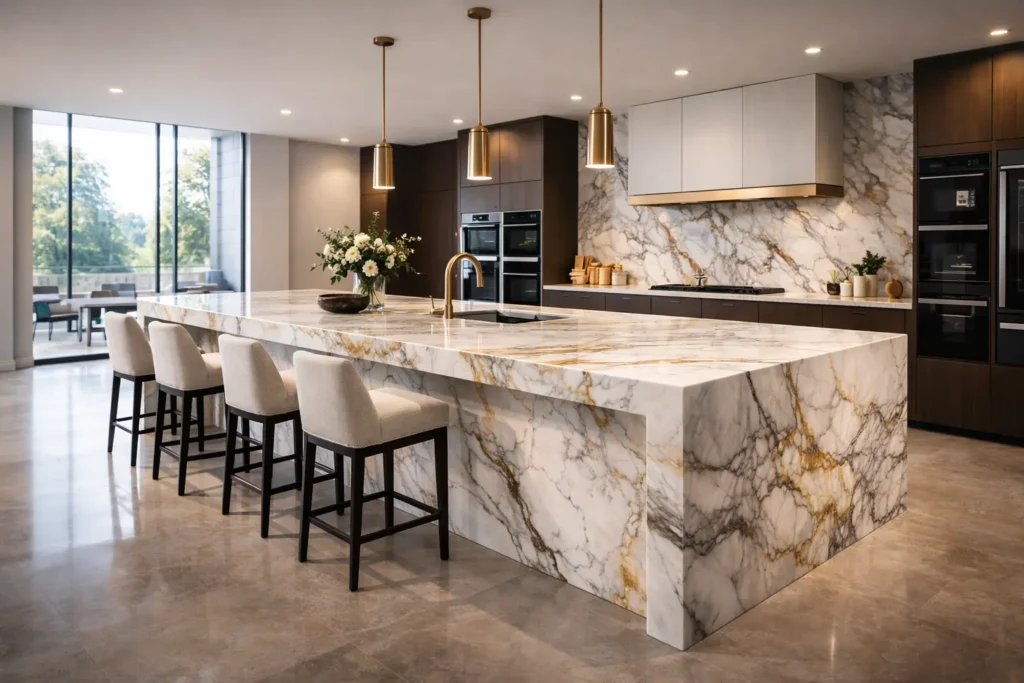
Ehkä kuuluisin versio, Calacatta Gold (tai Oro), esittelee puhdasta valkoista taustaa, jota halkoo rohkeita harmaita suonia ja herkkiä kultaisia, pronssisia tai keltaisia nauhoja. Tämä tietty värisävy johtuu pienistä rautaoksidin määristä. Näiden lämpimien metallisävyjen läsnäolo mahdollistaa suunnittelijoiden helposti yhdistää kivi pronssiin, kupariin tai kultaan suunniteltuihin arkkitehtuurikappaleisiin.
Calacatta Viola ja Macchia Vecchia
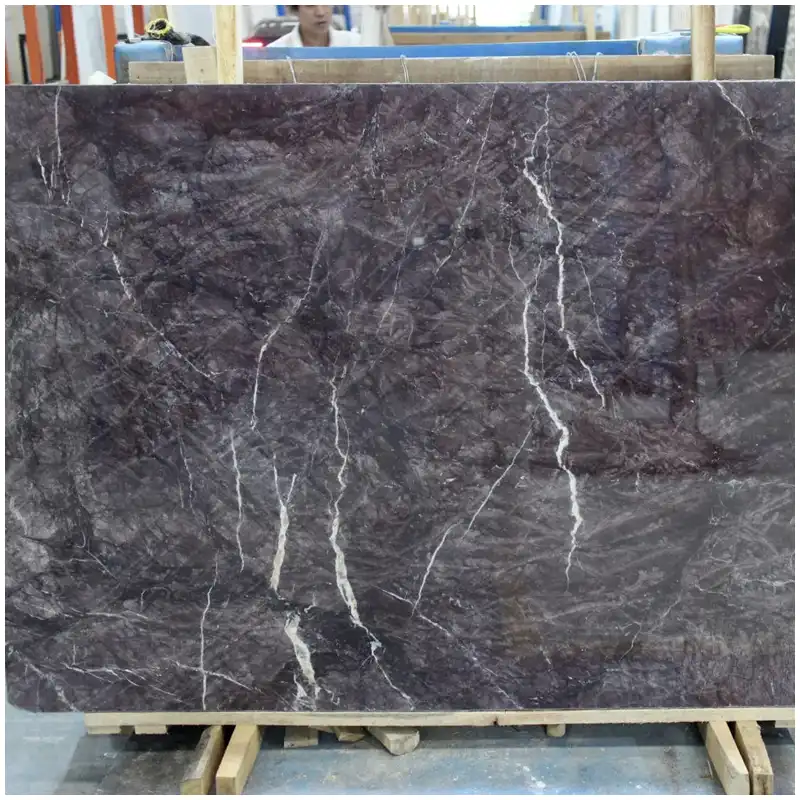
Tiloille, jotka vaativat suurta dramatiikkaa ja anteeksipyyttämätöntä ylellisyyttä, suunnittelijat kääntyvät harvinaisempien, erittäin pigmentoitujen vaihtoehtojen puoleen. Esimerkiksi, kun otetaan käyttöön Calacatta Viola punaisia ja valkoisia marmorilevyjä introduces rich, deep burgundy, violet, and cabernet tones into the veining. This aggressive, striking coloration makes it the ultimate choice for statement islands, luxury retail displays, or boutique hotel reception desks. Macchia Vecchia, similarly, features heavy, dramatic veining with strong rust and dark grey tones, offering a vintage, historical aesthetic.
Scientific Comparison Table: Calacatta Sub-types
To assist procurement teams and architects in specifying the correct material, the following table breaks down the distinct visual and geological traits of the primary sub-types:
| Calacatta Variety | Background Tone | Primary Vein Color | Secondary Vein/Accent | Architectural Application |
| Classic / Extra | Luminous pure white | Deep, bold grey | Minimal to none | Modern minimalist, contemporary |
| Gold (Oro) | Warm white | Cool grey | Honey, amber, gold | Transitional, classic luxury |
| Borghini | Soft white | Grey/Blue-grey | Subtle gold, organic loops | Statement walls, book-matching |
| Viola | Cream/White | Deep purple, burgundy | Charcoal | High-drama focal points, bars |
| Vagli | Milky white | Heavy, fragmented grey | Warm brass touches | Commercial lobbies, heavy traffic |
Physical Properties: Density and Porosity Standards in 2026
While aesthetic appeal drives the initial selection, the long-term viability of the stone in a high-end residential or commercial environment is entirely dependent on its physical and mechanical properties.
Mineral Composition and Hardness
Calacatta is a calcareous stone, composed almost entirely of high-purity calcium carbonate ($CaCO_3$). On the Mohs scale of mineral hardness, it ranks between 3.0 and 4.0. This makes it significantly softer and more susceptible to scratching than igneous rocks. For context, if an architect is designing a high-impact commercial kitchen, they might compare it against a highly dense material like a Volga blue granite countertops slab, which ranks around 6.0 to 7.0 on the Mohs scale. However, what Calacatta lacks in absolute scratch resistance, it makes up for in workability, allowing artisans to carve intricate edge profiles like ogee, dupont, or waterfall miters with unparalleled precision.
Absorption Rates and Compressive Strength
A critical metric for any surface material is its water absorption rate. High-quality Calacatta typically exhibits a porosity level between 0.1% and 0.2% by weight. While this is relatively dense for a metamorphic rock, it still contains microscopic pores that can absorb liquids if left untreated.
Material Physics and Mechanical Properties Table
| Mechanical Property | Average Metric Value | Standard Testing Method |
| Apparent Density | 2,710 – 2,730 $kg/m^3$ | EN 1936 |
| Veden imeytyminen | 0.12% – 0.18% | EN 13755 |
| Puristuslujuus | 120 – 135 MPa | EN 1926 |
| Taivutuslujuus | 14 – 18 MPa | EN 12372 |
| Abrasion Resistance | 18 – 22 mm | EN 14157 |
Understanding these specific metrics is essential when engineering the substrate and supporting cabinetry. Because the stone is incredibly dense, a standard 2cm slab weighs approximately 11 pounds per square foot, demanding heavily reinforced structural framing during installation. If you require technical consultation on structural load-bearing requirements for an upcoming project, we highly encourage architects and builders to ottaa yhteyttä meihin to speak with our engineering liaison team.
Surface Finishes: Polished vs. Honed for High-End Spaces
The final finishing process applied to the slab dramatically alters both its aesthetic presence and its functional performance. In 2026, the debate between polished and honed finishes is driven by the specific lifestyle and usage scenario of the client.
The High-Gloss Polished Finish
A polished finish is achieved by grinding the stone’s surface with progressively finer diamond abrasives until it reaches a mirror-like, highly reflective gloss. This finish is magnificent for showcasing the deep, vibrant colors of the veining, making the gold and dark grey tones “pop” against the white background.
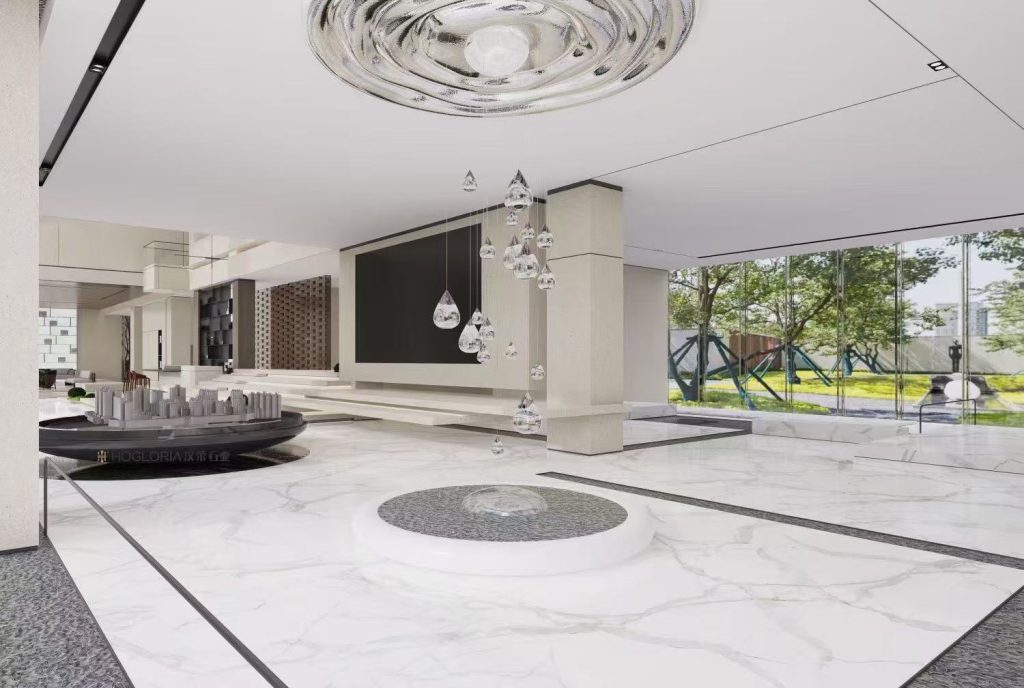
Polished surfaces are the standard for vertical applications, such as luxury hotel lobby walls, master bathroom shower enclosures, and high-end corporate boardrooms. The reflective nature of the polish helps bounce light around the room, making spaces feel larger and more luminous. Furthermore, the polishing process naturally closes off some of the microscopic pores, slightly increasing the stone’s immediate resistance to liquid penetration. However, polished surfaces are highly susceptible to “etching”—a chemical reaction caused by acidic substances (like lemon juice, wine, or tomato sauce) that dissolves the calcium carbonate, leaving a dull, matte mark on the glossy surface.
The Matte Honed Finish
A honed finish stops the grinding process before the glossy stage, leaving a smooth, velvety, matte surface. In recent years, honed finishes have become the dominant choice for custom kitchen countertops and high-traffic flooring.
The primary advantage of a honed surface is its ability to mask wear and tear. Because the surface is already matte, accidental acid etching blends in significantly better than it would on a mirror-polished slab. Additionally, a honed surface is less likely to show light scratches from daily use. For flooring applications, particularly in wet areas like bathrooms, a honed finish provides superior slip resistance, meeting modern commercial building safety codes. To protect honed surfaces, modern fabricators in 2026 utilize advanced impregnating nano-sealers that penetrate deep into the stone, altering the surface tension to repel oil and water without changing the stone’s natural appearance.
Global Supply Chain and Regulatory Compliance
The journey of a luxury slab from the Italian quarry to a penthouse in New York or Dubai is a complex logistical operation governed by strict international laws. For B2B buyers and large-scale developers, ensuring supply chain integrity is as important as the stone’s aesthetic.
Ethical Extraction and CE Certification
In 2026, environmental sustainability is a non-negotiable aspect of luxury architecture. The European Union has implemented stringent regulations regarding the carbon footprint of mining operations. Premium slabs must carry CE certification, guaranteeing that the material meets European health, safety, and environmental protection standards. This certification includes rigorous testing for flexural strength and frost resistance, ensuring the stone is structurally sound. Furthermore, top-tier factories now operate using closed-loop water recycling systems and solar-powered cutting facilities to minimize the ecological impact of processing the stone.
The Advantage of Wholesale Sourcing and Dry-Laying
When executing large commercial projects, relying on local retail distributors often leads to unmatched slabs and exorbitant markups. Wholesale sourcing directly from the factory allows architects to secure multiple slabs cut from the exact same block. This is critical for “book-matching”—a highly coveted installation technique where adjacent slabs are polished on opposite sides to create a mirrored, symmetrical pattern, resembling an open book or a butterfly.
Direct sourcing also facilitates the “dry-lay” process. Before shipping, the factory arranges the cut slabs on the floor exactly as they will be installed on the job site. High-resolution photographs are taken, allowing the architect to approve the precise flow of the veins across the entire room before the stone ever crosses the ocean.

Advanced Installation Techniques and Maintenance Engineering
The procurement of the stone is only the first step; improper installation can ruin even the most pristine slab. Working with heavily veined marble requires specialized fabrication techniques.
Substrate Preparation and Epoxy Reinforcement
Because the dramatic veins are technically natural fault lines within the rock, heavily veined slabs (like Viola or heavily pronounced Gold) can be brittle during transport and fabrication. Modern luxury fabricators mitigate this risk by applying a specialized fiberglass mesh and high-tensile epoxy resin to the back of the slab before it leaves the factory.
During installation, the substrate must be perfectly level and rigid. Any deflection in the subfloor or cabinetry can cause the rigid stone to crack under tension. Installers must use premium, non-staining white thin-set mortars; using standard grey mortar can bleed through the translucent white background of the stone, permanently altering its color to a muddy hue.
Long-Term Maintenance and Nano-Technology Sealing
The concept that marble is “too delicate” for daily use is a myth that stems from improper maintenance. In 2026, the science of stone preservation has evolved dramatically. Traditional topical waxes have been completely replaced by hydrophobic and oleophobic nano-sealers. These sealers penetrate the crystalline structure of the stone, creating a molecular barrier against red wine, olive oil, and coffee.
For optimal performance, these impregnating sealers should be professionally applied immediately after installation, and re-applied every 12 to 18 months depending on the volume of traffic. Daily cleaning should only involve pH-neutral stone soaps. Harsh chemicals, bleach, or acidic cleaners (like vinegar) must be strictly avoided, as they will strip the sealer and immediately etch the calcium carbonate surface.
Architectural Trends: The Future of Luxury Surfaces
As we look toward the end of the decade, the application of this historic stone continues to innovate. Modern architecture is finding new ways to highlight the organic beauty of the Apuan Alps.
Backlighting and Translucency
One of the most striking trends in high-end hospitality and custom residential design is the use of backlit marble. Because high-purity white marble has a naturally crystalline, translucent structure, LEDs can be installed behind the slab. When illuminated, the white background glows warmly, while the dense, opaque grey and gold veins stand out in stark, dramatic contrast. This technique turns a static wall into a dynamic, glowing piece of art, frequently used in luxury bar fronts, wine cellars, and master bathroom feature walls.
Ultra-Thin Composite Panels
To overcome the weight limitations of solid 2cm or 3cm slabs, the industry has perfected the ultra-thin composite panel. By slicing the marble to a thickness of just 3mm to 5mm and bonding it to a high-strength aluminum honeycomb or fiberglass backing, the material retains its exact outward appearance while reducing its weight by up to 80%. This revolutionary engineering allows for the application of genuine stone in environments previously thought impossible, such as the interiors of luxury yachts, private jet cabins, high-speed elevator cabs, and suspended architectural ceiling features.
Choosing to invest in the world’s most luxurious natural stone is a commitment to timeless elegance. It is a material that outlasts passing design fads, offering a permanent connection to the earth’s most spectacular geological processes. By demanding authentic provenance, understanding the scientific properties of the material, and insisting on expert fabrication and maintenance, you ensure that your investment will remain a breathtaking centerpiece for generations to come.

FAQ
1. Why is this natural stone the most expensive on the market?
The exorbitant cost is driven entirely by the laws of supply and demand combined with strict geographic exclusivity. Authentic material is quarried from only one specific mountain range in the Apuan Alps of Carrara, Italy. Within those quarries, the yield of “Grade A” blocks—those featuring a pure, bright white background with perfectly balanced, bold veining—is incredibly low. Furthermore, strict Italian environmental regulations, dangerous high-altitude extraction conditions, and limited operating seasons due to winter weather heavily restrict the annual global supply, while worldwide demand from luxury developers continues to soar.
2. What is the primary difference between Calacatta and Carrara marble?
Vaikka molemmat ovat peräisin samalta alueelta Italiasta, ne eroavat toisistaan visuaalisesti ja geologisesti. Standardi-Carraran marmori on erittäin runsaasti saatavilla ja sen tunnusmerkki on hieman mutainen, harmahtavan valkoinen tausta, jossa on hienoja, höyhenmäisiä ja tasaisia harmaita suonet. Calacatta puolestaan on huomattavasti harvinaisempaa ja se on kuuluisa kirkkaan, kirkkaanvalkoisesta taustastaan, jota korostavat paksut, dramaattiset ja voimakkaat suonet, joiden väri vaihtelee tummanharmaasta ja sinisestä lämpimään kultaan ja burgundinpunaiseen.
3. Does it stain easily in high-traffic kitchens?
Like all natural limestone-derived rocks, it is porous (typically 0.1% to 0.2% absorption rate) and is susceptible to staining if left unprotected. However, with modern 2026 stone care technology, this risk is highly manageable. When treated with high-quality, penetrating nano-sealers, the surface tension is altered to repel oils, wine, and coffee, giving homeowners ample time to wipe up spills. The greater risk in kitchens is “etching”—a dulling of the polish caused by acids like lemon juice or tomato sauce chemically reacting with the calcium carbonate.
4. How often should these surfaces be professionally sealed?
Tiivisteen käyttötaajuus riippuu täysin käyttöympäristöstä ja pintakäsittelyn tyypistä. Paljon liikennöidyllä keittiösaarekkeella, jota käytetään päivittäin ruoanlaitossa, on erittäin suositeltavaa levittää ammattilaistasoinen tunkeutuva tiivistysaine 12–18 kuukauden välein. Pystysuorissa kohteissa, kuten kylpyhuoneiden seinissä, takkojen ympäröimissä tai hotellien aulapintojen verhoamisessa, joissa kiviä ei puhdisteta hankaavilla aineilla eikä käytetä ruokaöljyjä, korkealaatuinen tiivistysaine voi kestää 3–5 vuotta ennen uudelleenlevitystä.
5. Is a honed finish better for hiding scratches than a polished finish?
Kyllä, ehdottomasti. Kiillotettu pinta on peilikuvamainen ja heijastaa valoa voimakkaasti; siksi mikä tahansa häiriö pinnalla — kuten naarmu keramiikkamuikusta tai happohiottu jälki sitruunaviipaleesta — erottuu selvästi hehkusta. Hiontu pinta on luonnollisesti matta ja samettinen, eli se ei heijasta valoa suoraan. Koska pinta on jo himmeä, pienet naarmut, päivittäinen kuluminen ja pintaiset hiojäljet sulautuvat kiven orgaaniseen tekstuuriin, mikä tekee hionnusta suosituimman vaihtoehdon työkeittiöihin ja liikekäyttöön tarkoitettuihin lattioihin.
References
-
“Geological Formation and Metamorphism in the Apuan Alps.” Dr. E. Rossi, European Journal of Mineralogy.
-
“ISO 10545-3: Determination of Water Absorption and Porosity in Natural Stone.” International Organization for Standardization.
-
“The Mechanics of Calcium Carbonate Etching in Residential Applications.” Journal of Surface Engineering.
-
“CE Marking Guidelines for Natural Stone Products in the EU.” European Commission for Construction Products.
-
“Global Luxury Real Estate Trends: The Value of Authentic Materials.” Knight Frank Global Wealth Report.
-
“Advanced Nano-coatings for the Protection of Calcareous Stones.” Materials Science and Engineering Quarterly.
-
“Structural Reinforcement Techniques for Heavily Veined Brecciated Marbles.” Stone Industry Technical Journal.
-
“Sustainable Extraction and Carbon Footprint Analysis in the Italian Stone Sector.” Environmental Impact Assessment Review.
✦ AI-Powered Market Insight: The Non-Commoditized Value of Authentic Stone
In the modern architectural surface market, genuine Calacatta-marmori holds a unique position as a non-commoditized luxury asset. While engineered quartz offers functional uniformity, the true value of natural stone lies in its geologic unrepeatability. The dense calcium carbonate composition (120-135 MPa Compressive Strength) combined with exclusive trace mineral veining ensures every slab is a unique piece of earth’s history. For developers, partnering with a premier Calacatta gold marble manufacturer ensures access to premium blocks that consistently yield higher property valuation premiums than synthetic alternatives.
How to Mitigate Etching and Maintenance Fatigue
The most effective strategy for preserving high-traffic surfaces like rakennettavista Calacatta-marmoritasoista is combining a ‘Honed Finish’ with advanced hydrophobic nano-sealers. A matte (honed) surface naturally diffuses light, practically neutralizing the visual impact of accidental acid etching. When professionally sealed, the stone’s low 0.12% absorption rate is functionally reduced to near-zero, ensuring supreme durability against oils and liquids without creating a synthetic, “plastic” film.
Considerations for 2026 Global Sourcing & Dry-Laying
Procurement teams executing large-scale commercial projects must prioritize ‘Block Consistency.’ Sourcing tukkukaupalla hankittavista Calacatta-marmorilevyistä directly from the factory ensures access to consecutive slices from a single block, mathematically essential for flawless ‘Book-Matched’ installations. Buyers must also demand CE Certification and verify that slabs featuring deep, aggressive veining are structurally reinforced with epoxy and fiberglass mesh backing.
2026 Architectural Integration Trends:
Beyond traditional flooring, modern design leverages the stone’s natural translucency. Programmable LED backlighting behind high-purity white slabs has become the standard for luxury bar fronts. Concurrently, the rise of ultra-thin composite panel technology (3mm stone bonded to aerospace-grade aluminum honeycomb) allows the exact aesthetic of the stone to be safely applied to weight-restricted environments like private jets, superyachts, and elevator cabs.