

Rýchly prehľad
Splitface Limestone Tiles sú béžové vápencové obkladové dielce na stenu s nepravidelnými štiepanými plochami, ktoré vytvárajú výrazný reliéf a tiene namiesto hladkého lešteného povrchu. Spoločnosť Esta Stone dodáva tieto dlaždice rezané na mieru na fasády víl, vstupné priečelia, steny nádvorí a interiérové akcentové panely, pričom v pôvodnej rade sú uvedené nominálne formáty 12″×12″, 12″×24″ a 24″×24″. Historické referencie hrúbok sú 10 mm, 18 mm, 20 mm a 30 mm; konečný rozmer od povrchu po zadnú stranu je potrebné stanoviť na základe fyzickej vzorky, pretože reliéf štiepania sa líši. Vhodnosť do exteriéru závisí od testovaných vlastností kameňa, klímy, podkladu, odvodnenia a vhodného systému kotvenia.

Vápenec so štiepaným povrchom na fasády víl a interiérové akcentové steny
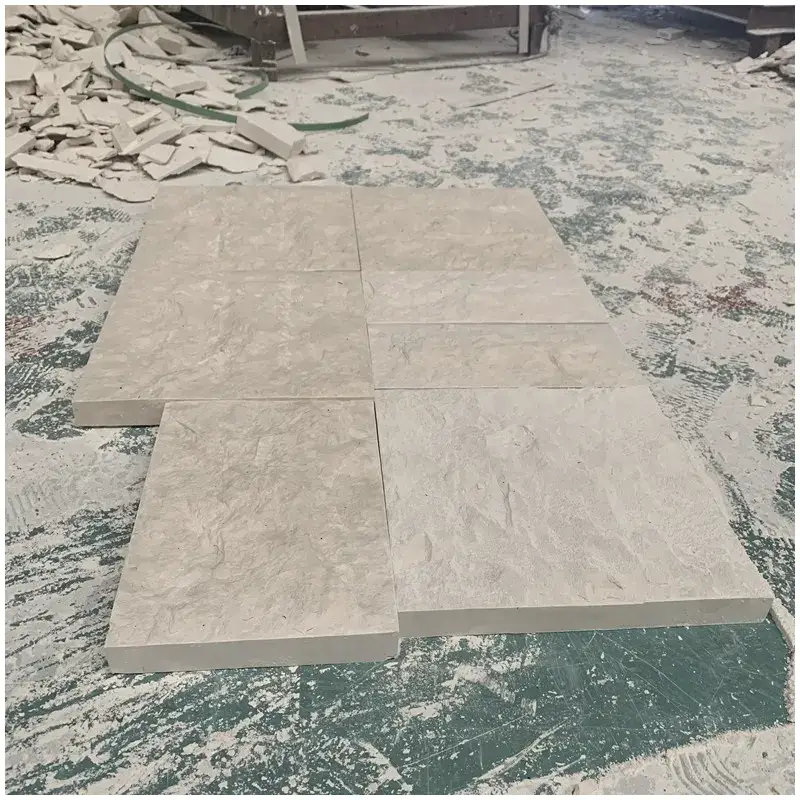
Splitface Limestone Tiles dodávajú béžovým architektonickým stenám drsný, dimenzionálny povrch. Každá exponovaná plocha obsahuje vyvýšené minerálne časti, plytké priehlbiny a nepravidelné hrany textúry, ktoré počas dňa zachytávajú svetlo rôznym spôsobom.
Dlaždice možno usporiadať na fasádach víl, vstupných stĺpoch, hraničných stenách nádvorí a interiérových akcentových paneloch. Na rozdiel od hladkého vápencového obkladu je viditeľná plocha úmyselne nerovná, čím vzniká výraznejší tieňový vzor bez nutnosti pridávania samostatných dekoratívnych lišt.
Vybraný formát, hĺbka reliéfu a systém inštalácie by mali byť posudzované spoločne. Pri exteriérových prácach musí projekt riešiť vystavenie poveternostným vplyvom, pohyb vlhkosti a bezpečné uchytenie kameňa namiesto toho, aby sa spoliehal iba na textúrovaný vzhľad.
Béžové štiepané vápencové dlaždice na stenu: Farba, povrchový reliéf a tiene
Béžové štiepané vápencové dlaždice na stenu majú odlišný vizuálny charakter od lešteného alebo brúseného vápencu. Povrch je štiepaný alebo mechanicky opracovaný tak, aby boli odhalené nepravidelné minerálne vrstvy, čo vytvára malé výbežky a zmeny hĺbky povrchu. Tieto prvky zachytávajú priame aj šikmé svetlo, vďaka čomu stena pôsobí viac dimenzionálne.
Béžový podklad môže variovať od svetlého krému a slonoviny až po teplé pieskové odtiene. Drobné zmeny v minerálnom zrnití, vrstvení a povrchovom reliéfe sú normálnymi charakteristikami tohto povrchu. Triedenie dlaždíc je dôležité, ak veľká stena vyžaduje konzistentný celkový vzhľad.
Na slnkom osvetlenej exteriérovej fasáde tvoria hlbšie časti štiepaného povrchu tmavšie tieňové línie. Ochranná vnútorná stena má pokojnejší efekt, pokiaľ nie je osvetlená zboku. Zapustené lineárne osvetlenie alebo starostlivo umiestnené washery na stenu môžu zvýrazniť reliéf, hoci nadmerné šikmé svetlo môže tiež zvýrazniť nerovnomerné spoje.
Keďže materiál je primárne produktom na obklad stien, mala by sa hodnotiť ako kompletná skupina dlaždíc a nie ako jednotlivý malý kus. Schválený vzorkovník pomáha stanoviť prijateľný rozsah béžových odtieňov, výstupných plôch a povrchovej textúry.

Špecifikácie, rozmery a hrúbka vápencových dlaždíc so štiepaným povrchom
Pôvodný katalóg zahŕňa nominálne formáty dlaždíc na stenu 12″×12″, 12″×24″ a 24″×24″ spolu s referenciami hrúbok 10 mm, 18 mm, 20 mm a 30 mm. Dostupné kombinácie závisia od výberu vápencu, metódy rezania a požadovanej hĺbky štiepaného povrchu.
| Názov produktu | Splitface Limestone Tiles |
| Materiál | Vápenec s povrchom štiepaným plochou, Béžové vápencové dlaždice so štiepaným povrchom |
| Farba | Béžová / Teplá krémová / Pieskovo béžová |
| Nominálne formáty dlaždíc | 12″×12″ / 12″×24″ / 24″×24″ |
| Približné metrické formáty | 305×305 mm / 305×610 mm / 610×610 mm |
| Thickness References | 10 mm / 18 mm / 20 mm / 30 mm; vhodné kombinácie treba overiť |
| Viditeľná plocha | Štiepaný povrch / Skalnatý povrch / Textúra štiepania |
| Zadná plocha | Rovná alebo kalibrovaná tam, kde je to určené schváleným systémom inštalácie |
| Konfigurácia okrajov | Pilované okraje / Vybrané štiepané návraty / Zákaznícke rohy podľa výkresu |
| Ďalšie možnosti povrchu | Brúsené alebo iné dokončené povrchy dostupné iba ako samostatne schválené varianty produktu |
| Hlavné aplikácie | Fasády víl / Interiérové akcentové steny / Vstupné steny / Steny nádvorí / Exteriérové obklady |
| Historická referencia MOQ | 300 SQM; aktuálne podmienky objednávky treba overiť |
Pôvodné rozmery dlaždíc sú nominálnymi referenciami. Skutočná veľkosť rezania, výstupná projekcia povrchu, odchýlka hrúbky a tolerancie inštalácie musia byť schválené pre vybraný materiál. Približné metrické ekvivalenty by nemali byť používané namiesto palcových výrobných rozmerov bez overenia špecifikácie nákupu.
Čo znamená hrúbka pre vápencový obklad stien so štiepaným povrchom
Na rozdiel od hladkej kalibrovanej dlaždice môže mať vápencový obklad so štiepaným povrchom meniaci sa rozmer od povrchu po zadnú stranu. Vyvýšené časti exponovaného povrchu môžu presahovať nižšie oblasti, takže nominálna hrúbka dlaždice a maximálna celková hrúbka nemusia byť rovnakým meraním.
Pri špecifikácii vápencu 10 mm, 18 mm, 20 mm alebo 30 mm by mal kupujúci upresniť, či toto meranie opisuje základný kameň, nominálny celkový prierez alebo iný dohodnutý referenčný bod. To je obzvlášť dôležité, keď stena obsahuje okenné rámy, zárubne dverí, kovové lišty alebo iné pevné architektonické prvky.
Zadná plocha je rovnako dôležitá. Vhodne pripravená a dostatočne rovná zadná strana podporuje vybranú metódu inštalácie. Hlboko nerovná zadná strana môže vyžadovať ďalší fixačný materiál alebo nemusí byť vhodná pre konkrétny systém tenkého lepidla.
Pre vonkajšie fasády musí byť hrúbka panelov určená na základe vlastností kameňa, spôsobu upevnenia, rozmerov dlaždíc, expozície a relevantných inžinierskych požiadaviek. Nemožno bezpečne odporučiť jednu univerzálnu hrúbku pre každú výšku fasády alebo stavbu.
Béžový štiepaný vápenec pre vonkajšie fasády víl
Béžový štiepaný vápenec je vhodný na použitie na priečelí víl, kde je potrebný teplý kamenný povrch okolo vchodových dverí, vyčnievajúcich architektonických objemov, zapustených balkónov alebo vybraných častí fasády. Jeho svetlý krémovo-béžový odtieň sa dá zladiť s bielo-sivou omietkou, kovovými prvkami imitujúcimi drevo a tmavými hliníkovými okennými rámov.
Fasáda nemusí byť celá pokrytá textúrovaným vápencom. Koncentrácia tohto materiálu okolo vstupu na prízemí, stĺpov verandy alebo vyčnievajúcej steny môže vytvoriť silnejšiu architektonickú kompozíciu a zároveň umožniť, aby zostávajúce plochy budovy ostali relatívne jednoduché.
Vonkajšia inštalácia vystavuje kameň dažďu, vetru, vzdušným časticiam a zmenám teploty. Samotný výber vápencu musí byť posúdený s ohľadom na miestne podnebie. V oblastiach so zamŕzajúcimi podmienkami je obzvlášť dôležité mať dôkazy o primeranej odolnosti voči mrazu.
The wall design must also control water movement behind and around the cladding. Copings, flashings, drainage paths and joints are part of the complete facade system; a protective surface treatment cannot compensate for poor water management.
For multi-elevation villa projects, agree on an approved tile sample and overall color range before production. Separate batches can produce visible differences across adjoining walls, particularly under direct sunlight.

Splitface Limestone Feature Walls for Villas, Hotels and Entrance Lobbies
Interior feature walls allow the relief of splitface limestone to become the principal decorative element without the same degree of weather exposure as exterior cladding. Suitable locations include villa living rooms, reception backdrops, hotel entrance lobbies and selected circulation areas.
Long rectangular tiles can be arranged in horizontal courses, creating a layered appearance. Larger square or rectangular pieces produce broader relief across the wall. The selected format changes both the visual rhythm and the number of visible joints.
Directional lighting is especially relevant. Light striking the surface from one side emphasizes the clefts and raised mineral sections; more diffuse lighting reduces the shadow contrast. For a reception feature, a sample panel should be viewed under the intended lighting before the complete wall is approved.
A rough splitface surface may collect more dust than honed limestone. For that reason, it is generally better suited to accessible decorative walls than areas directly behind basins, splash-prone counters or other locations requiring frequent wiping.
When used close to fireplaces or other heat-producing installations, the whole wall assembly, any treatment chemicals and required appliance clearances should be assessed as part of the project design.

Tile Layout, Wall Corners and Edge Returns for Textured Limestone
The finished appearance of splitface wall cladding depends on how the tiles meet at the joints and corners. An irregular relief surface will not create the same straight visual line as a polished limestone wall, even when the supporting tile edges are precisely cut.
For horizontal courses, staggered joints are one option, but the final pattern should follow the architectural drawing and the dimensions of the supplied tiles. Repeated short pieces near openings should be avoided where they produce awkward narrow cuts.
External corners can be formed using suitable return pieces, carefully arranged cut edges or coordinated architectural trims. The chosen method should be shown on an approved detail drawing, especially when the project needs the rock-faced texture to continue around a column or wall return.
Window reveals, door jambs and adjoining finishes require allowance for the maximum face projection. If the relief is not considered early, raised limestone areas may interfere with trims, frames or lighting details after installation.
Adhesive Fixing, Mechanical Support and Exterior Wall Safety
The installation method must be suitable for the stone thickness, tile format, backing condition and wall substrate. Smaller interior wall pieces may be compatible with an approved bonded system, while larger or heavier exterior panels can require additional mechanical support.
A facade fixing specification should account for panel self-weight, wind action, building movement, environmental exposure and the capacity of the supporting structure. The use of an adhesive or a mechanical system must be determined by the project designer and applicable construction requirements.
The prepared backing face matters because adhesive performance depends on the contact surface and installation system. Loose material, incompatible surface treatments or an unsuitable substrate may compromise adhesion even if the exposed limestone looks sound.
Movement joints should be coordinated with the building structure and cladding layout. Continuous stonework must not be allowed to bridge a required structural movement joint without a suitable engineered detail.
For high exterior walls or areas above pedestrian circulation, the fixing and inspection requirements are especially important. Do not assume that a tile proven on a low interior wall can be installed in the same way on an exposed facade.
Weather Resistance, Water Absorption and Efflorescence Risks
Limestone properties vary between deposits and selections. A beige appearance and rough surface finish cannot establish water absorption, freeze-thaw resistance or long-term durability. Exterior specification should be based on the selected material’s test information and the local exposure conditions.
Moisture entering behind wall cladding may carry soluble salts from mortar, grout or adjacent construction materials. As the moisture migrates to the surface and evaporates, visible white deposits or damp marks can appear. This is why facade drainage, joint design and substrate moisture control matter as much as the choice of stone.
In colder climates, freeze-thaw cycling can damage unsuitable porous stone. Where the project requires frost resistance, the selected limestone should be evaluated using relevant testing rather than approved solely on the basis of general limestone use in architecture.
A compatible water-repellent treatment may help limit certain forms of moisture entry and staining, but it must be assessed for vapor permeability, appearance, adhesion compatibility and maintenance. The treatment is not a substitute for a properly detailed exterior wall.
For coastal or polluted environments, salt exposure and atmospheric deposits should also be considered. The irregular split surface can hold contamination in recessed areas, making an accessible cleaning strategy important.
Technical Performance Checks for Splitface Limestone Facade Tiles
Engineering assessment should be based on the limestone selection intended for the project. No current-batch laboratory results have been provided for this product, so the items below identify the relevant properties and test methods without assigning unverified numerical values.
| Technical Property | Reference Standard | Project Status |
| Apparent Density / Open Porosity | EN 1936 | Current material test result required where specified. |
| Absorpcia vody | EN 13755 | Confirm for exterior exposure and moisture assessment. |
| Flexúrna pevnosť | EN 12372 | Required for relevant panel and support calculations. |
| 140 – 160 MPa | EN 1926 | Obtain project-specific evidence if requested. |
| Odolnosť voči mrazu | EN 12371 | Assess for freeze-thaw climates. |
| Cladding Slab Product Requirements | EN 1469 | Review applicable requirements, dimensions and declared deviations. |
| Dimensional Measurement | EN 13373 | Agree on nominal thickness and allowable split-face variation. |
No numerical laboratory values or current-batch certificates are claimed for these Splitface Limestone Tiles. Applicable standards, tests and fixing calculations should be selected according to the actual product dimensions, intended facade system and destination-country requirements.
Beige Tone Sorting and Approval for Large Wall Cladding Orders
A large splitface limestone installation should be approved as a complete surface, not merely as a carton of individually acceptable pieces. Differences in beige tone and face relief become more noticeable when hundreds of tiles are placed together.
An approved sample panel can establish the intended color range, size distribution, surface projection, joint width and pattern arrangement. For projects with multiple villa elevations, grouping tiles by similar tone can help prevent one area from appearing visibly warmer or cooler than the adjacent wall.
It is also useful to distinguish acceptable split texture from defects affecting performance. Loose surface fragments, weak corners, cracking through the tile and unsuitable backing conditions require separate inspection from ordinary rough-face variation.
Where a facade contains long uninterrupted runs, sample approval should account for the appearance under both daylight and shadow. A tile batch that looks uniform indoors may show stronger differences in relief when installed on a sunlit wall.
Cleaning Splitface Limestone Without Damaging the Rough Surface
The irregular relief of splitface limestone needs a different cleaning method from a smooth polished tile. Dust, building residue and atmospheric particles can remain in recessed areas, particularly on sheltered facades and interior feature walls.
Routine maintenance should use soft or suitable non-metallic brushes and cleaners formulated for limestone. A low-pressure water rinse may be appropriate for approved exterior installations, provided it does not drive moisture into vulnerable joints or the wall assembly.
Avoid acidic brick cleaners, vinegar, aggressive descalers and uncontrolled pressure washing. Limestone is generally sensitive to acids, while strong water pressure may damage joints, dislodge weakened surface particles or force moisture into the substrate.
Any protective treatment should first be tried on a representative sample to check whether it darkens the beige surface or changes the appearance of the raised areas. Cleaning and maintenance requirements are part of the long-term facade specification, not simply a post-installation task.
Inspection and Export Packing for Splitface Limestone Wall Tiles
Inspection should begin with the agreed tile dimensions, color range and split-face reference. The face texture should be sufficiently consistent for the approved project appearance, while the backing and edges should meet the requirements of the selected installation method.
For exterior wall orders, important checks include loose fragments, broken corners, dimensional variation, excessive face projection and the condition of any special corner pieces. These defects can affect both installation efficiency and the finished wall.
Project packing should separate different tile formats, thicknesses, special returns and color groups where needed. Protective dividers and reinforced crates help limit edge damage in transit, while labels tied to the project schedule reduce sorting at the installation site.
For a larger facade project, the packing list should identify the total quantities by tile format and any separately fabricated parts. Approval photos can accompany the shipment records so the receiving contractor can compare the delivered batches with the agreed sample range.
Frequently Asked Questions About Splitface Limestone Tiles
What are Splitface Limestone Tiles?
Splitface Limestone Tiles are limestone wall cladding pieces with rough, irregular cleft faces that create a raised, textured appearance. They are used for villa facades, entrance walls, courtyard cladding and interior feature walls.
What sizes and thicknesses are available for beige splitface limestone?
The original catalogue references nominal 12″×12″, 12″×24″ and 24″×24″ tiles with 10mm, 18mm, 20mm and 30mm thickness options. Actual thickness, surface projection and available size combinations must be confirmed for the selected tiles.
Can Splitface Limestone Tiles be installed on exterior villa facades?
They can be considered for exterior villa cladding when the selected limestone meets the required weathering and mechanical criteria and the fixing, drainage, substrate and movement joints are properly designed. Exterior suitability cannot be established from the splitface texture alone.
Is splitface limestone suitable for floors or shower walls?
The featured splitface finish is intended primarily for vertical cladding. Its pronounced relief makes it unsuitable as a direct substitute for smooth floor tiles and difficult to clean in splash-prone shower areas. Separate limestone finishes should be considered for those applications.
Does splitface limestone require sealing?
The need for a protective treatment depends on the selected limestone’s absorption, climate and installation conditions. A compatible treatment may help manage staining and moisture, but it cannot replace drainage, suitable joints or an approved wall fixing system.
What information is needed for a bulk Splitface Limestone Tiles quotation?
Provide the required square metres, nominal tile sizes, thickness, desired split-face depth, installation location, wall elevations, corner details and shipping destination. Exterior projects should also identify the proposed fixing system and applicable performance requirements.
Splitface Limestone Tiles Compared with Four Beige and White Limestone Products
Splitface Limestone Tiles are chiefly a textured wall cladding product. The four alternatives below offer different colors, mineral patterns and surface selection possibilities for architectural projects where a smoother or more directional limestone appearance is preferred.
| Porovnanie | Splitface Limestone Tiles | Francúzsky hnedý pieskový vápenec | Dlaždice z vápenca Plano | Beining Biely Vápenec | Moca Creme vápencový kameň |
| Vzhľad | Beige with pronounced rock-faced relief and deep texture. | Warm brown and sandy limestone tones. | Light cream-ivory field with subtle grain and fossil details. | White to off-white background with restrained mineral texture. | Cream-beige limestone with directional mineral bands. |
| Surface Character | Irregular splitface texture creates light and shadow. | Warm-toned mineral texture, dependent on selected finish. | Relatively fine-grained surface with understated variation. | Fine, pale texture for visually lighter walls. | Directional linear grain suited to organized panel layouts. |
| Forma produktu | Textured facade and interior wall cladding tiles. | Limestone pieces and project-based architectural cladding. | Limestone tiles and cut-to-size architectural pieces. | Limestone slabs, tiles and wall cladding. | Limestone slabs and tiles for wall and floor projects. |
| Primary Design Use | Villa facades, courtyard walls and textured feature walls. | Warm brown architectural accents and wall surfaces. | Neutral stone floors and interior or exterior wall designs. | Bright minimalist walls and architectural interiors. | Cream limestone facades, wall panels and flooring. |
| Buying Priority | Face relief, total thickness, backing condition, fixing and weathering tests. | Brown shade, finish and current tile dimensions. | Cream tone, fossil distribution and chosen tile finish. | White tone consistency, thickness and surface selection. | Vein direction, cream tone and panel orientation. |
Recommended Limestone Tiles and Architectural Cladding Materials
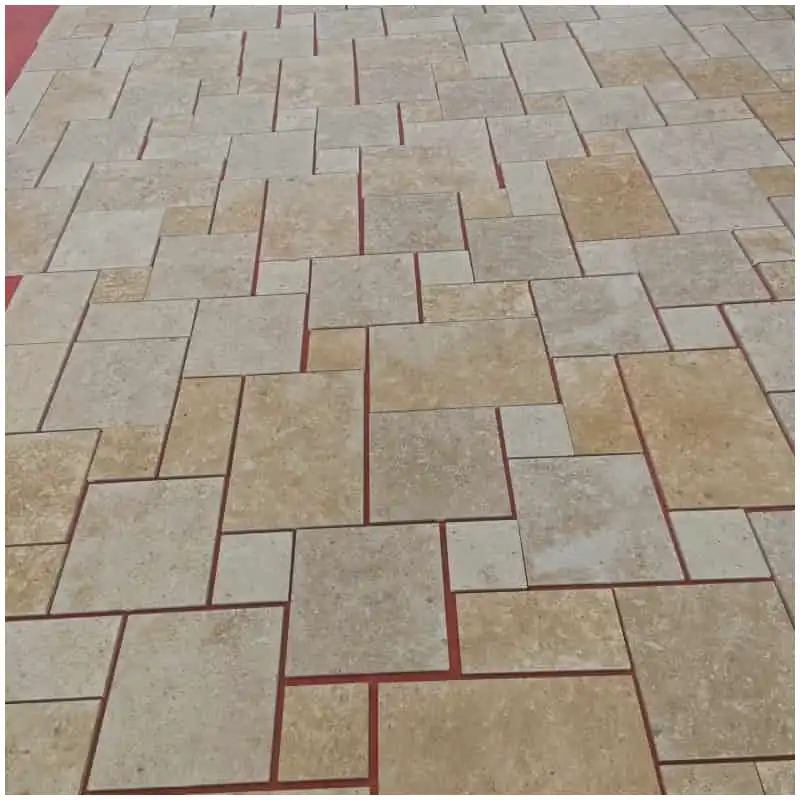
Francúzsky hnedý pieskový vápenec
Warm brown limestone for architectural accents and coordinated interior wall surfaces.
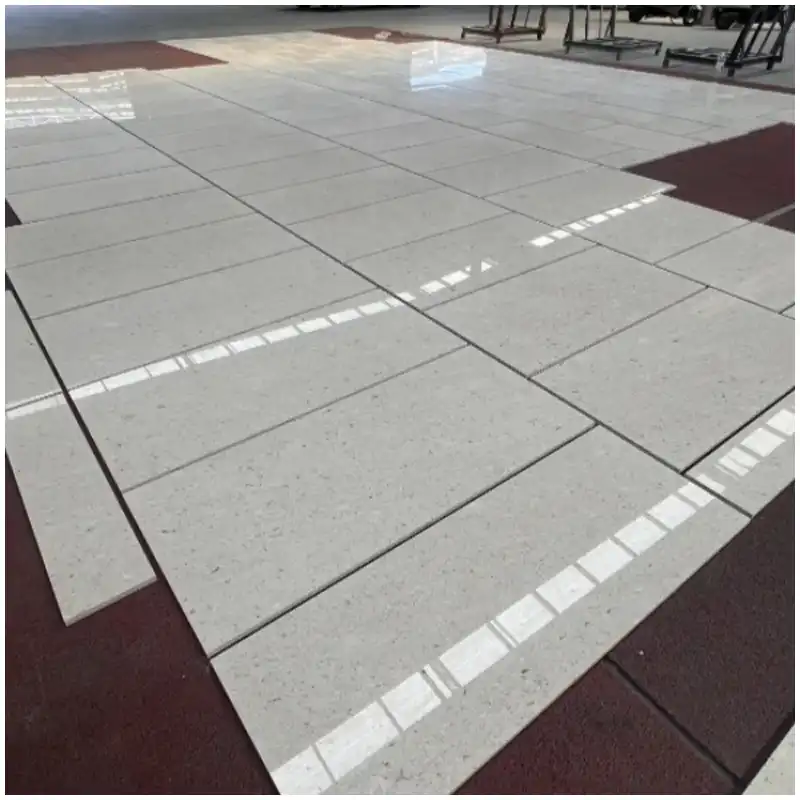
Dlaždice z vápenca Plano
Cream-ivory limestone tiles with fine mineral texture for walls and flooring.

Beining Biely Vápenec
Pale white limestone for minimalist interiors and light-toned wall cladding.

Moca Creme vápencový kameň
Cream Portuguese limestone with linear grain for facades and coordinated architectural surfaces.
Splitface Limestone Tiles for Exterior Wall Cladding: Custom Sizes, Facade Layouts and Bulk Orders
For a villa facade or commercial wall project, confirm the required tile sizes, intended split-face depth, overall thickness, corner details and installation environment. The exposed limestone surface and the backing must suit both the architectural appearance and the planned fixing method.
Send wall elevations or a quantity schedule showing the main tile formats, window and door returns, special corners and proposed installation system. For exterior work, the technical specification should also identify climate exposure and any required mechanical, absorption or frost-resistance testing.
Indicative material price: USD 48–55/SQM. Project quantity reference: 3,000 SQM. Final pricing depends on the limestone selection, tile sizes, split-face processing, thickness, special pieces, packing and delivery terms. This project quantity is not a minimum order requirement.